
Title
Inventing The Berbers: History And Ideology In The Maghrib (The Middle Ages Series),Used
Sold by Ergodebooks, an authorized reseller.
Returns accepted within 30 days | support@ergodebooks.com
Shipping Information
- Free Standard Shipping — United States only
- Processing Time: 3–5 business days
- Estimated Delivery: 6–10 business days after dispatch
- Double-boxed, fully insured & discreetly packaged
- Tracking number sent via email once dispatched
Returns & Refund
Returns accepted within 30 days of delivery.
Damaged or Defective Item
Free return shipping + replacement or full refund
Wrong Item Received
Free return shipping + replacement or full refund
Change of Mind
Return shipping at customer's expense · 25% restocking fee applies
Payment Option

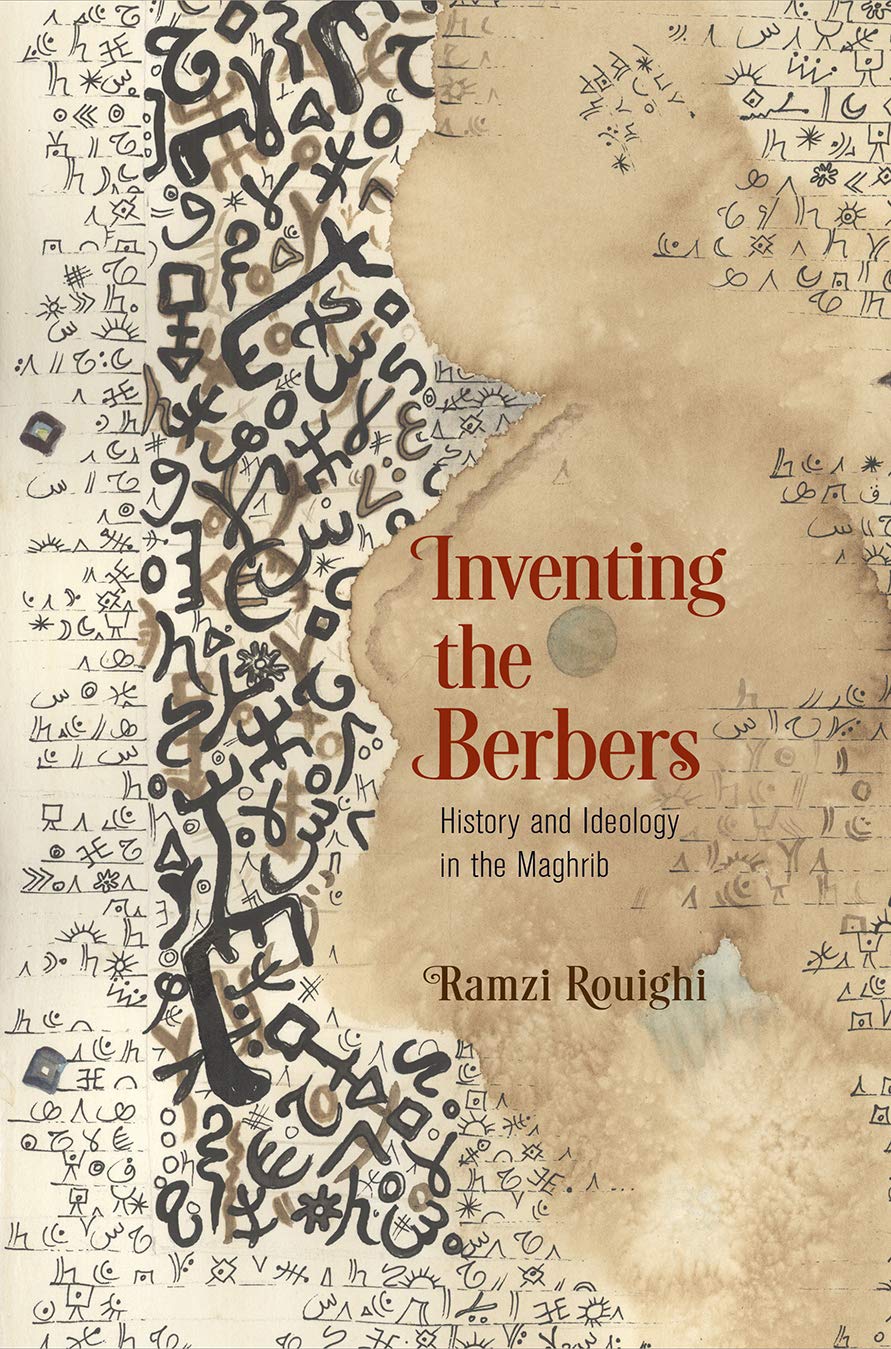
Before the Arabs conquered northwest Africa in the seventh century, Ramzi Rouighi asserts, there were no Berbers. There were Moors (Mauri), Mauretanians, Africans, and many tribes and tribal federations such as the Leuathae or Musulami; and before the Arabs, no one thought that these groups shared a common ancestry, culture, or language. Certainly, there were groups considered barbarians by the Romans, but 'Barbarian,' or its cognate, 'Berber' was not an ethnonym, nor was it exclusive to North Africa. Yet today, it is common to see studies of the Christianization or Romanization of the Berbers, or of their resistance to foreign conquerors like the Carthaginians, Vandals, or Arabs. Archaeologists and linguists routinely describe protoBerber groups and languages in even more ancient times, while biologists look for Berber DNA markers that go back thousands of years. Taking the pervasiveness of such anachronisms as a point of departure, Inventing the Berbers examines the emergence of the Berbers as a distinct category in early Arabic texts and probes the ways in which later Arabic sources, shaped by contemporary events, imagined the Berbers as a people and the Maghrib as their home.Key both to Rouighi's understanding of the medieval phenomenon of the 'berberization' of North Africa and its reverberations in the modern world is the Kitab al'ibar of Ibn Khaldun (d. 1406), the third book of which purports to provide the history of the Berbers and the dynasties that ruled in the Maghrib. As translated into French in 1858, Rouighi argues, the book served to establish a racialized conception of Berber indigenousness for the French colonial powers who erected a fundamental opposition between the two groups thought to constitute the native populations of North Africa, Arabs and Berbers. Inventing the Berbers thus demonstrates the ways in which the nineteenthcentury interpretation of a medieval text has not only served as the basis for modern historical scholarship but also has had an effect on colonial and postcolonial policies and communal identities throughout Europe and North Africa.
⚠️ WARNING (California Proposition 65):
This product may contain chemicals known to the State of California to cause cancer, birth defects, or other reproductive harm.
For more information, please visit www.P65Warnings.ca.gov.