
Title
Inventing the Egghead: The Battle over Brainpower in American Culture,Used
Sold by Ergodebooks, an authorized reseller.
Returns accepted within 30 days | support@ergodebooks.com
Shipping Information
- Free Standard Shipping — United States only
- Processing Time: 3–5 business days
- Estimated Delivery: 6–10 business days after dispatch
- Double-boxed, fully insured & discreetly packaged
- Tracking number sent via email once dispatched
Returns & Refund
Returns accepted within 30 days of delivery.
Damaged or Defective Item
Free return shipping + replacement or full refund
Wrong Item Received
Free return shipping + replacement or full refund
Change of Mind
Return shipping at customer's expense · 25% restocking fee applies
Payment Option

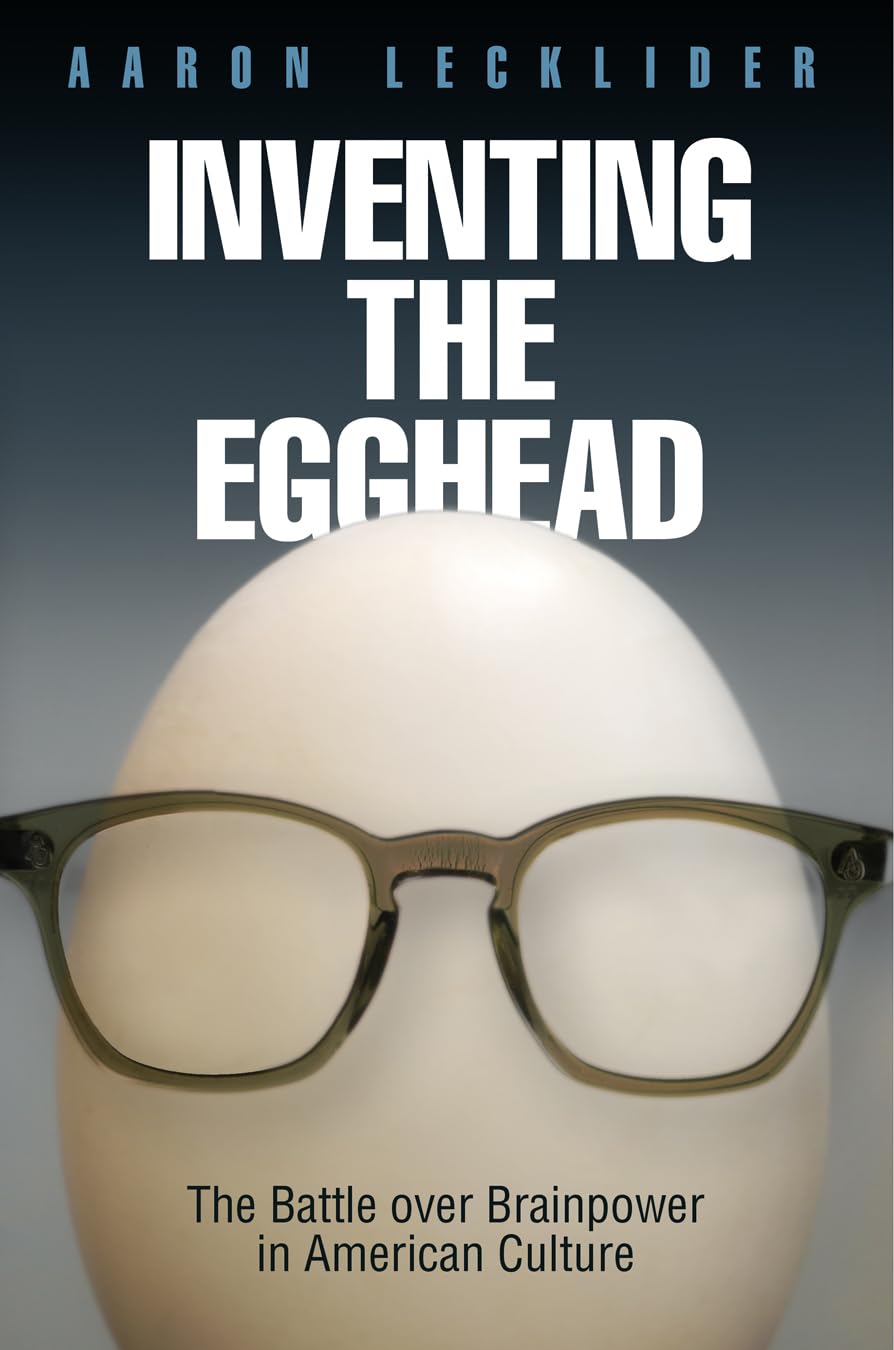
Throughout the twentieth century, pop songs, magazine articles, plays, posters, and novels in the United States represented intelligence alternately as empowering or threatening. In Inventing the Egghead, cultural historian Aaron Lecklider offers a sharp, entertaining narrative of these sources to reveal how Americans who were not part of the traditional intellectual class negotiated the complicated politics of intelligence within an accelerating mass culture.Central to the book is the concept of brainpowera term used by Lecklider to capture the ways in which journalists, writers, artists, and others invoked intelligence to embolden the majority of Americans who did not have access to institutions of higher learning. Expressions of brainpower, Lecklider argues, challenged the deeply embedded assumptions in society that intellectual capacity was the province of an educated elite, and that the working class was unreservedly antiintellectual. Amid changes in work, leisure, and domestic life, brainpower became a means for social transformation in the modern United States. The concept thus provides an exciting vantage point from which to make fresh assessments of ongoing debates over intelligence and access to quality education.Expressions of brainpower in the twentieth century engendered an uncomfortable paradox: they diminished the value of intellectuals (the hapless egghead, for example) while establishing claims to intellectual authority among ordinary women and men, including labor activists, women workers, and African Americans. Reading across historical, literary, and visual media, Lecklider mines popular culture as an arena where the brainpower of ordinary people was commonly invoked and frequently contested.
⚠️ WARNING (California Proposition 65):
This product may contain chemicals known to the State of California to cause cancer, birth defects, or other reproductive harm.
For more information, please visit www.P65Warnings.ca.gov.