
Title
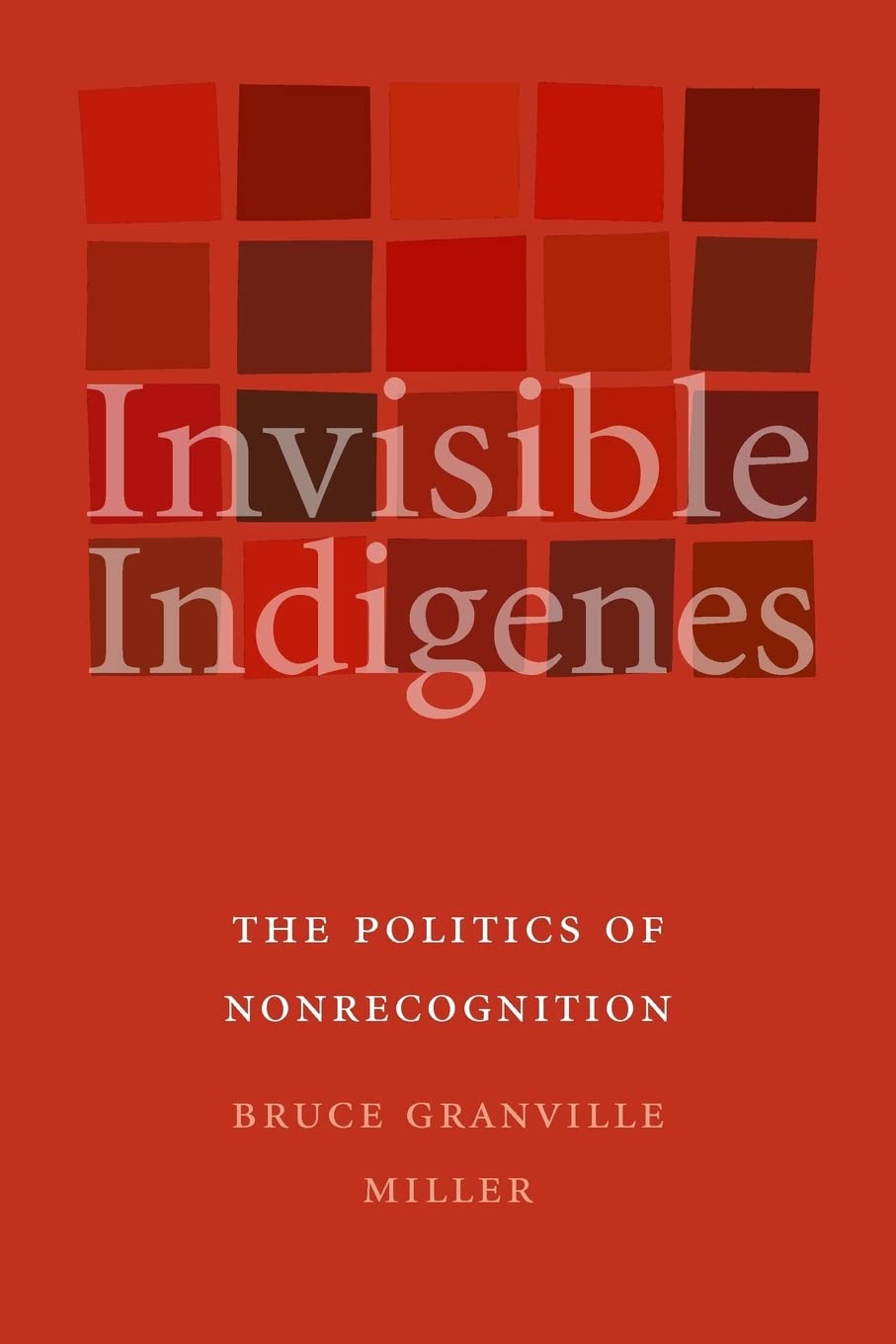
Invisible Indigenes: The Politics Of Nonrecognition,Used
Sold by Ergodebooks, an authorized reseller.
Returns accepted within 30 days | support@ergodebooks.com
Shipping Information
- Free Standard Shipping — United States only
- Processing Time: 3–5 business days
- Estimated Delivery: 6–10 business days after dispatch
- Double-boxed, fully insured & discreetly packaged
- Tracking number sent via email once dispatched
Returns & Refund
Returns accepted within 30 days of delivery.
Damaged or Defective Item
Free return shipping + replacement or full refund
Wrong Item Received
Free return shipping + replacement or full refund
Change of Mind
Return shipping at customer's expense · 25% restocking fee applies
Payment Option

In the last few decades, as indigenous peoples have increasingly sought out and sometimes demanded sovereignty on a variety of fronts, their relationships with encompassing nationstates have become ever more complicated and troubled. The varying ways that todays nationstates attempt to manageand often render invisiblecontemporary indigenous peoples is the subject of this global comparative study.Beginning with his own work along the northwest coast of North America and drawing on contemporary examples from South America, Asia, Africa, and Europe, Bruce Granville Miller examines how national governments classify, govern, and control the indigenous populations within their boundaries through administrative, judicial, and economic means. One telling consequence of such regulation strategies is that certain indigenous peoples become unrecognizedtheir ethnic identities and heritages fail to find legal register and thus empowerment within the very state organizations that manage other aspects of their lives. In the United States alone reside two hundred thousand unrecognized indigenous individuals, some members of indigenous communities that were dropped from the roster of tribes and others whose ancestors were overlooked. Miller also considers some important differences between the fluid nature of ethnic identity for some indigenous peoples and the more rigid notion of identity encoded in many state regulations.Invisible Indigenes reveals a recurring issue integral to the formation and maintenance of nationstates today and highlights a common challenge facing indigenous peoples around the globe in the twentyfirst century.
⚠️ WARNING (California Proposition 65):
This product may contain chemicals known to the State of California to cause cancer, birth defects, or other reproductive harm.
For more information, please visit www.P65Warnings.ca.gov.