
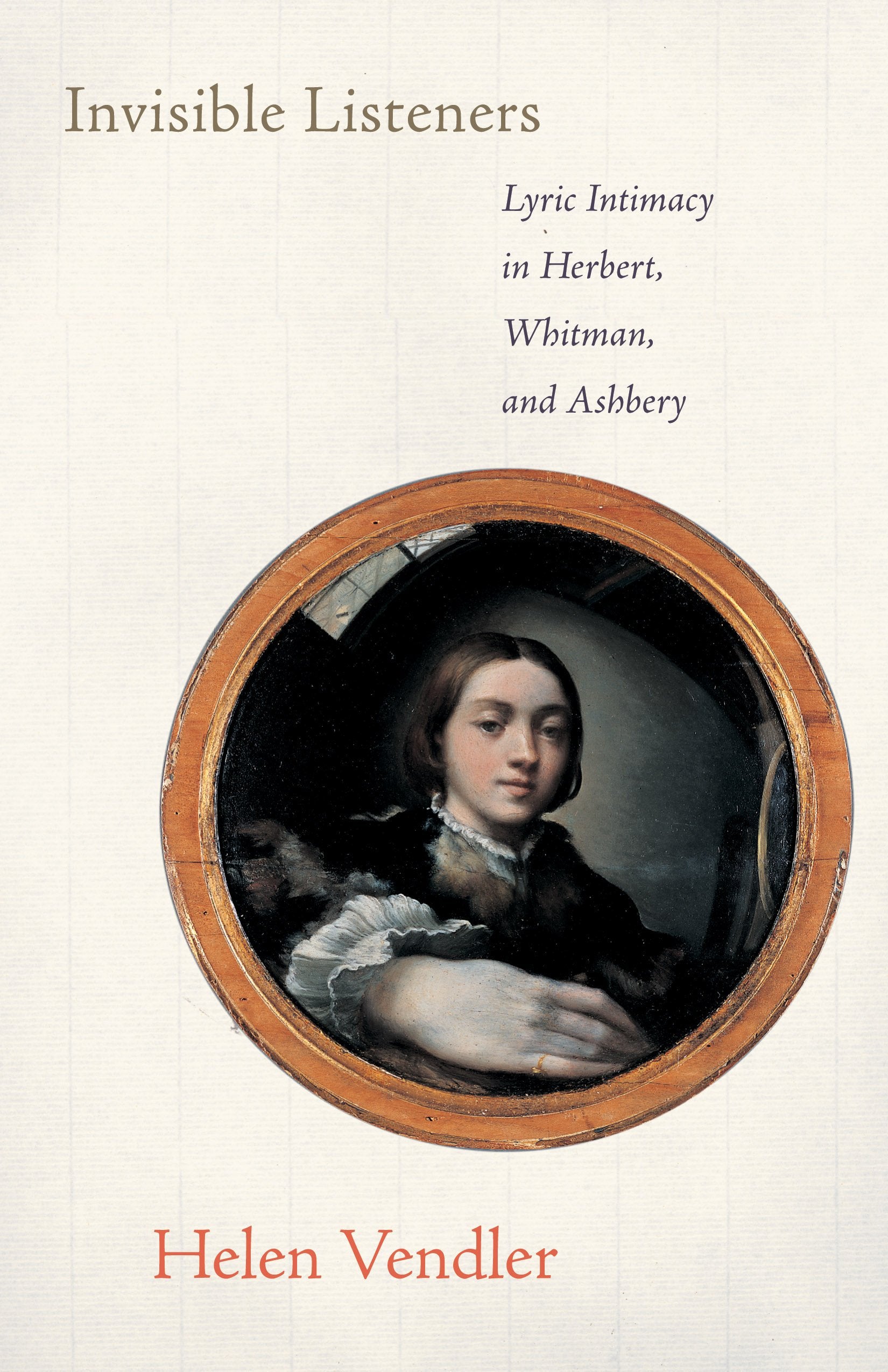
Title
Invisible Listeners: Lyric Intimacy In Herbert, Whitman, And Ashbery
Sold by Ergodebooks, an authorized reseller.
Returns accepted within 30 days | support@ergodebooks.com
Shipping Information
- Free Standard Shipping — United States only
- Processing Time: 3–5 business days
- Estimated Delivery: 6–10 business days after dispatch
- Double-boxed, fully insured & discreetly packaged
- Tracking number sent via email once dispatched
Returns & Refund
Returns accepted within 30 days of delivery.
Damaged or Defective Item
Free return shipping + replacement or full refund
Wrong Item Received
Free return shipping + replacement or full refund
Change of Mind
Return shipping at customer's expense · 25% restocking fee applies
Payment Option

When A Poet Addresses A Living Personwhether Friend Or Enemy, Lover Or Sisterwe Recognize The Expression Of Intimacy. But What Impels Poets To Leap Across Time And Space To Speak To Invisible Listeners, Seeking An Ideal Intimacygeorge Herbert With God, Walt Whitman With A Reader In The Future, John Ashbery With The Renaissance Painter Francesco Parmigianino? In Invisible Listeners, Helen Vendler Argues That Such Poets Must Invent The Language That Will Enact, On The Page, An Intimacy They Lack In Life.Through Brilliantly Insightful And Gracefully Written Readings Of These Three Great Poets Over Three Different Centuries, Vendler Maps Out Their Relationships With Their Chosen Listeners. For His Part, Herbert Revises The Usual Vertical Address To God In Favor Of A Horizontal Oneaddressing God As A Friend. Whitman Hovers In A Sometimes Erotic, Sometimes Quasireligious Language In Conceiving The Democratic Camerado, Who Will, Following Whitman'S Example, Find His True Self. And Yet The Camerado Will Be Replaced, In Whitman'S Verse, By The Ultimate Invisible Listener, Death. Ashbery, Seeking A Fellow Artist Who Believes That Art Always Distorts What It Represents, Finds He Must Travel To The Remote Past. In Tones Both Tender And Skeptical He Addresses Parmigianino, Whose Extraordinary Selfportrait In A Convex Mirror Furnishes The Poet With Both A Theory And A Precedent For His Own Inventions.By Creating The Forms And Speech Of Ideal Intimacy, These Poets Set Forth The Possibility Of A More Complete And Satisfactory Human Interchangean Ethics Of Relation That Is Uncoerced, Understanding, And Free.
⚠️ WARNING (California Proposition 65):
This product may contain chemicals known to the State of California to cause cancer, birth defects, or other reproductive harm.
For more information, please visit www.P65Warnings.ca.gov.
- Q: How many pages does the book have? A: This book has one hundred twelve pages. It offers a concise exploration of lyric intimacy across three centuries.
- Q: What is the binding type of this book? A: The book is bound in hardcover. This provides durability and a premium feel for readers.
- Q: What are the dimensions of this book? A: The book measures five point seventy-five inches in length, zero point seventy-five inches in width, and eight point five inches in height. These dimensions make it portable and easy to handle.
- Q: What themes does the book explore? A: The book explores themes of intimacy and communication in poetry. It examines how poets connect with invisible listeners.
- Q: Who is the author of this book? A: The author of the book is Helen Vendler. She is a renowned critic and scholar in the field of poetry.
- Q: What is the genre of this book? A: The book falls under the category of Criticism and Theory. It provides critical readings of notable poets.
- Q: Is this book suitable for beginners in poetry? A: Yes, the book is suitable for beginners. Its accessible language and insights make it approachable for those new to poetry.
- Q: How can I read this book effectively? A: To read this book effectively, consider taking notes on key insights. Reflect on how the poets' themes relate to modern contexts.
- Q: What is the reading level for this book? A: The reading level is appropriate for adults and mature readers. It engages with complex themes but is articulated clearly.
- Q: How should I care for this hardcover book? A: To care for the hardcover book, keep it in a cool, dry place. Avoid exposing it to direct sunlight to prevent fading.
- Q: Is this book safe for young readers? A: Yes, the book is generally safe for young readers. However, it is recommended for older teens and adults due to its thematic depth.
- Q: Can I return the book if I am not satisfied? A: Yes, you can return the book if you are not satisfied. Be sure to check the seller's return policy for specific details.
- Q: What should I do if the book arrives damaged? A: If the book arrives damaged, contact the seller immediately for a replacement or refund. Document the damage with photos if necessary.
- Q: Is this book a good gift for poetry lovers? A: Yes, this book makes a thoughtful gift for poetry lovers. It offers fresh perspectives on well-known poets and their work.
- Q: How does this book compare to other poetry criticism books? A: This book stands out for its focus on intimacy in poetry. It provides unique insights that differ from more general poetry criticism.