If you have any questions, you are always welcome to contact us. We'll get back to you as soon as possible, withing 24 hours on weekdays.
Customer service
All questions about your order, return and delivery must be sent to our customer service team by e-mail at yourstore@yourdomain.com
Sale & Press
If you are interested in selling our products, need more information about our brand or wish to make a collaboration, please contact us at press@yourdomain.com
Help
If you have any questions, you are always welcome to contact us. We'll get back to you as soon as possible, withing 24 hours on weekdays.
Customer service
All questions about your order, return and delivery must be sent to our customer service team by e-mail at yourstore@yourdomain.com
Sale & Press
If you are interested in selling our products, need more information about our brand or wish to make a collaboration, please contact us at press@yourdomain.com
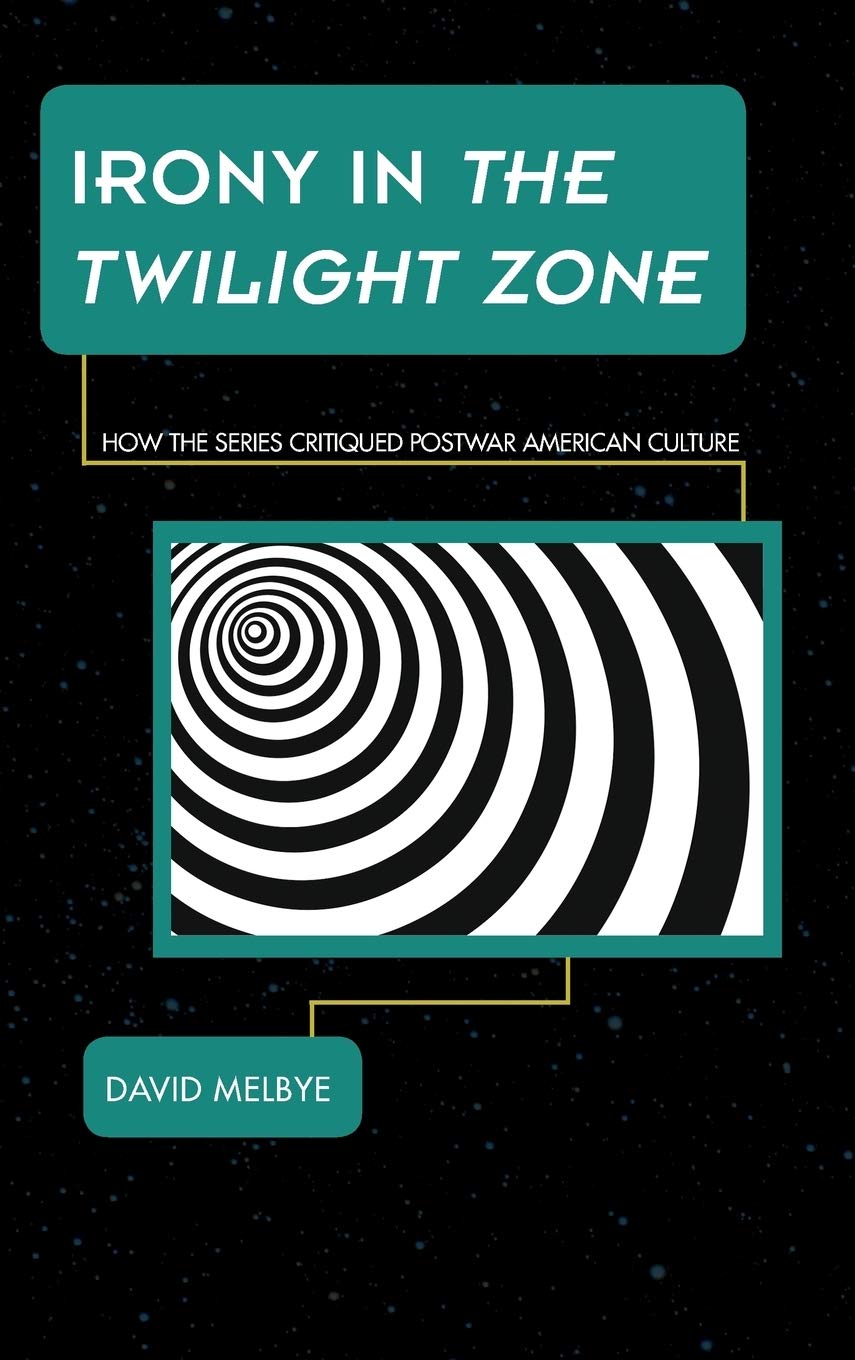
Rod Serlings pioneering series TheTwilight Zone (1959 to 1964) is remembered for its surprise twist endings and pervading sense of irony.While other American television series of the time also experimented with ironic surprises, none depended on these as much as Serlings. However, irony was not used merely as a structural deviceSerling and his writers used it as a provocative means by which to comment on the cultural landscape of the time.Irony in The Twilight Zone: How the Series Critiqued Postwar American Culture explores the multiple types of ironysuch as technological, invasive, martial, sociopolitical, and domesticthat Serling, Richard Matheson, Charles Beaumont, and other contributors employed in the show. David Melbye explains how each kind of irony critiqued of a specific aspect of American culture and how all of them informed one another, creating a larger social commentary. This book also places the shows use of irony in historical and philosophical contexts, connecting it to a rich cultural tradition reaching back to ancient Greece.The Twilight Zone endures because it uses irony to negotiate its definitively modernist moment of high social consciousness and low cultural escapism. With its richly detailed, frequently unexpected readings of episodes, Irony in The Twilight Zone offers scholars and fans a fresh and unique lens through which to view the classic series.
⚠️ WARNING (California Proposition 65):
This product may contain chemicals known to the State of California to cause cancer,
birth defects, or other reproductive harm.
For MAP (Minimum Advertised Price) violations and Intellectual Property (IP) or Trademark concerns, please contact:
support@ergodebooks.com
⚠️ California Proposition 65 Warning: Some products sold on this website may expose you to chemicals known to the State of California to cause cancer, birth defects, or other reproductive harm. For more information, visit www.P65Warnings.ca.gov.