
Title
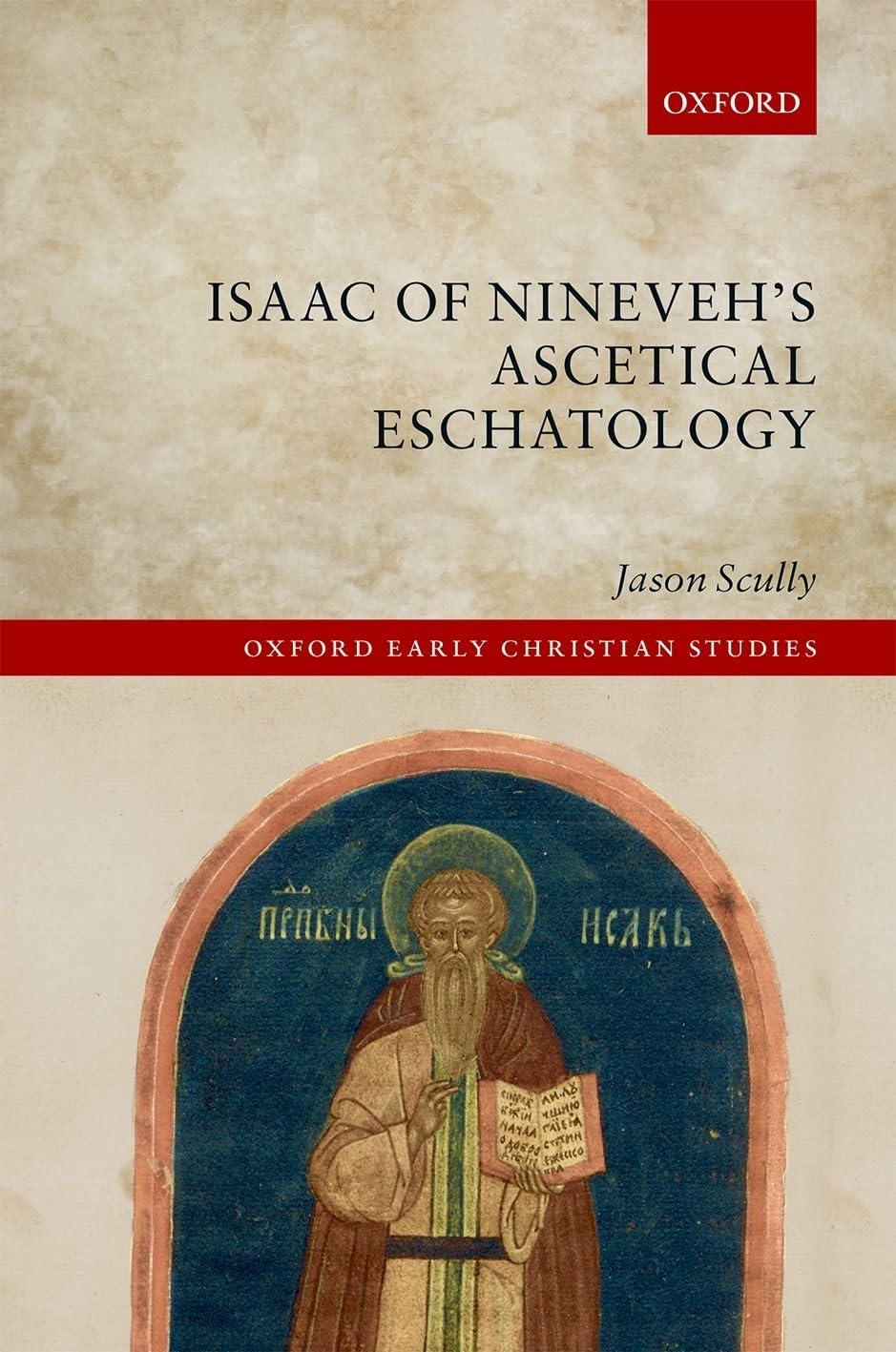
Isaac of Nineveh's Ascetical Eschatology (Oxford Early Christian Studies),Used
Sold by Ergodebooks, an authorized reseller.
Returns accepted within 30 days | support@ergodebooks.com
Shipping Information
- Free Standard Shipping — United States only
- Processing Time: 3–5 business days
- Estimated Delivery: 6–10 business days after dispatch
- Double-boxed, fully insured & discreetly packaged
- Tracking number sent via email once dispatched
Returns & Refund
Returns accepted within 30 days of delivery.
Damaged or Defective Item
Free return shipping + replacement or full refund
Wrong Item Received
Free return shipping + replacement or full refund
Change of Mind
Return shipping at customer's expense · 25% restocking fee applies
Payment Option

Isaac of Nineveh's Ascetical Eschatology demonstrates that Isaac's eschatology is an original synthesis based on ideas garnered from a distinctively Syriac cultural milieu. Jason Scully investigates six sources relevant to the study of Isaac's Syriac source material and cultural heritage. These include ideas adapted from Syriac authors like Ephrem, John the Solitary, and Narsai, but also adapted from the Syriac versions of texts originally written in Greek, like Evagrius's Gnostic Chapters, PseudoDionysius's Mystical Theology, and the PseudoMacarian homilies. Isaac's eschatological synthesis of this material is a sophisticated discourse on the psychological transformation that occurs when the mind has an experience of God. It begins with the premise that asceticism was part of God's original plan for creation. Isaac says that God created human beings with infantile knowledge and that God intended from the beginning for Adam and Eve to leave the Garden of Eden. Once outside the garden, human beings would have to pursue mature knowledge through bodily asceticism.Although perfect knowledge is promised in the future world, Isaac also believes that human beings can experience a proleptic taste of this future perfection. Isaac employs the concepts of wonder and astonishment in order to explain how an ecstatic experience of the future world is possible within the material structures of this world. According to Isaac, astonishment describes the moment when a person arrives at the threshold of eschatological perfection but is still unable to comprehend the heavenly mysteries, while wonder describes spiritual comprehension of heavenly knowledge through the intervention of divine grace.
⚠️ WARNING (California Proposition 65):
This product may contain chemicals known to the State of California to cause cancer, birth defects, or other reproductive harm.
For more information, please visit www.P65Warnings.ca.gov.