
Title
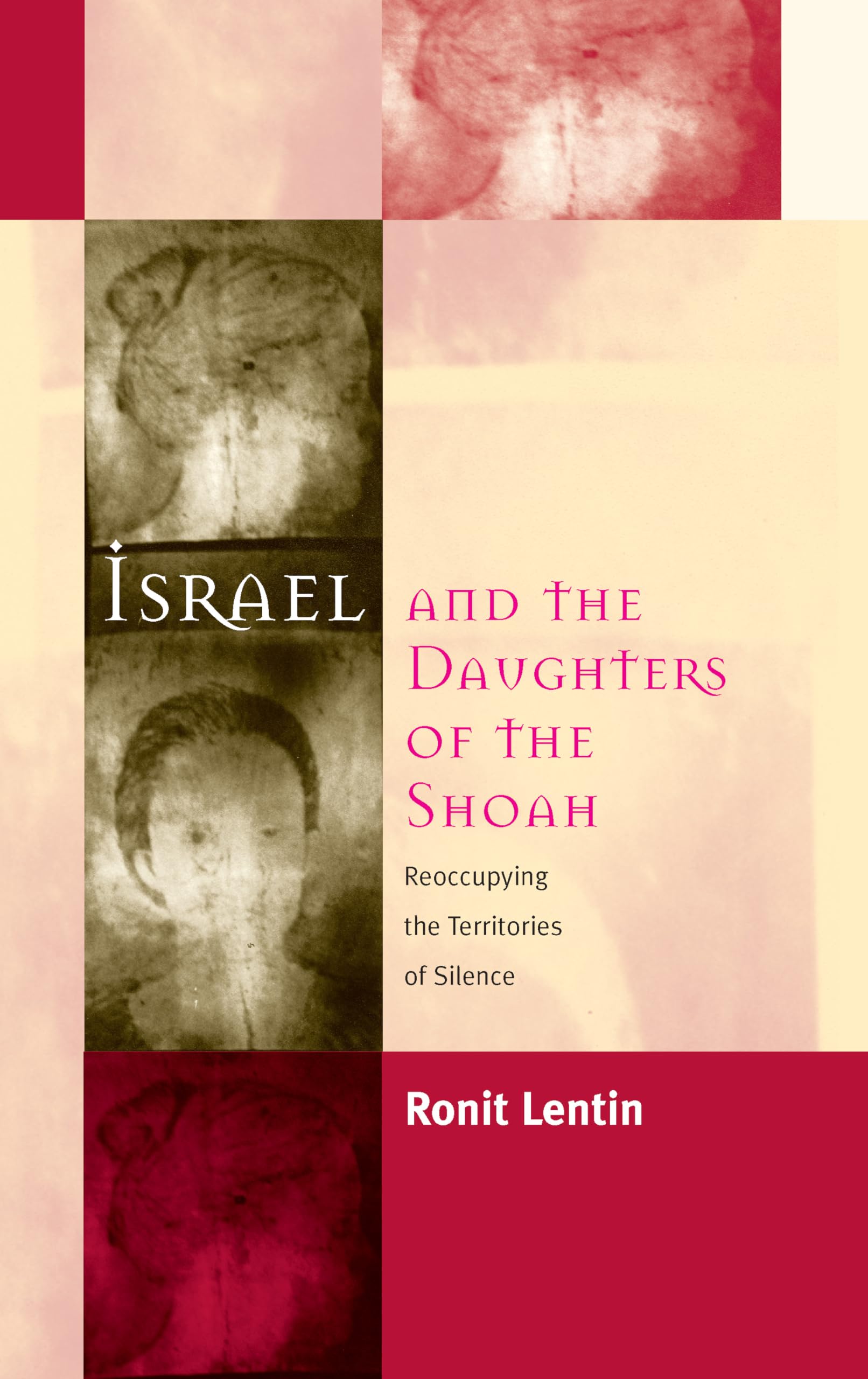
Israel and the Daughters of the Shoah: Reoccupying the Territories of Silence,Used
Sold by Ergodebooks, an authorized reseller.
Returns accepted within 30 days | support@ergodebooks.com
Shipping Information
- Free Standard Shipping — United States only
- Processing Time: 3–5 business days
- Estimated Delivery: 6–10 business days after dispatch
- Double-boxed, fully insured & discreetly packaged
- Tracking number sent via email once dispatched
Returns & Refund
Returns accepted within 30 days of delivery.
Damaged or Defective Item
Free return shipping + replacement or full refund
Wrong Item Received
Free return shipping + replacement or full refund
Change of Mind
Return shipping at customer's expense · 25% restocking fee applies
Payment Option

The murder of a third of Europe's Jews by the Nazis is unquestionably the worst catastrophe in the history of contemporary Judaism and a formative event in the history of Zionism and the State of Israel. Understandably, therefore, the Shoah, written about, analyzed, and given various political interpretations, has shaped public discourse in the history of the State of Israel. The key element of Shoah in the Israeli context is victimhood and as such it has become a source of shame, shrouded in silence and subordinated to the dominant discourse which, resulting from the construction of a "new Hebrew" active subjectivity, taught the postwar generation of Israelis to reject diaspora Jewry and its alleged passivity in the face of catastrophe.This book is the culmination of years of preoccupation with the meaning of the Shoah for the author, an Israeli woman with a "split subjectivity: that of a daughter of a family of Shoah survivors, and that of a daughter of the first Israeliborn generation; the culmination of her need to break the silence about the Shoah in a society which constructed itself as the Israeli antithesis to diaspora Jewry, and to excavate a "truth" from underneath the mountain of Zionist nationbuilding myths. These myths, the author argues, not only had deep implication for the formation of her generation but also a profound impact on the IsraeliPalestinian conflict. Moreover, they are shot through with images of the "masculine" Israeli, constrasted with those of the weak, passive, nonvirile Jewish "Other" of the diaspora. This book offers the first gendered analysis of Israeli society and the Shoah. The author employs personal narratives of nine Israeli daughters of Shoah survivors, writers and film makers, and a feminist rereading of official and unofficial Israeli and Zionist discourses to explore the ways in which the relationship between Israel and the Shoah has been gendered in that the Shoah was "feminized" while Israel was "masculinized." This new perspective has considerable implications for the analysis of Israeli society; a gendered analysis of Israeli construction of nation reveals how the Shoah and Shoah discourse are exploited to justify Israel's, i.e. the "new Hebrew's," selfperceived right of occupation. Israel thus not only negated the Jewish diaspora, but also stigmatized and feminized Shoah victims and survivors, all the while employing Shoah discourses as an excuse for occupation, both in the past and in the present.
⚠️ WARNING (California Proposition 65):
This product may contain chemicals known to the State of California to cause cancer, birth defects, or other reproductive harm.
For more information, please visit www.P65Warnings.ca.gov.