
Title
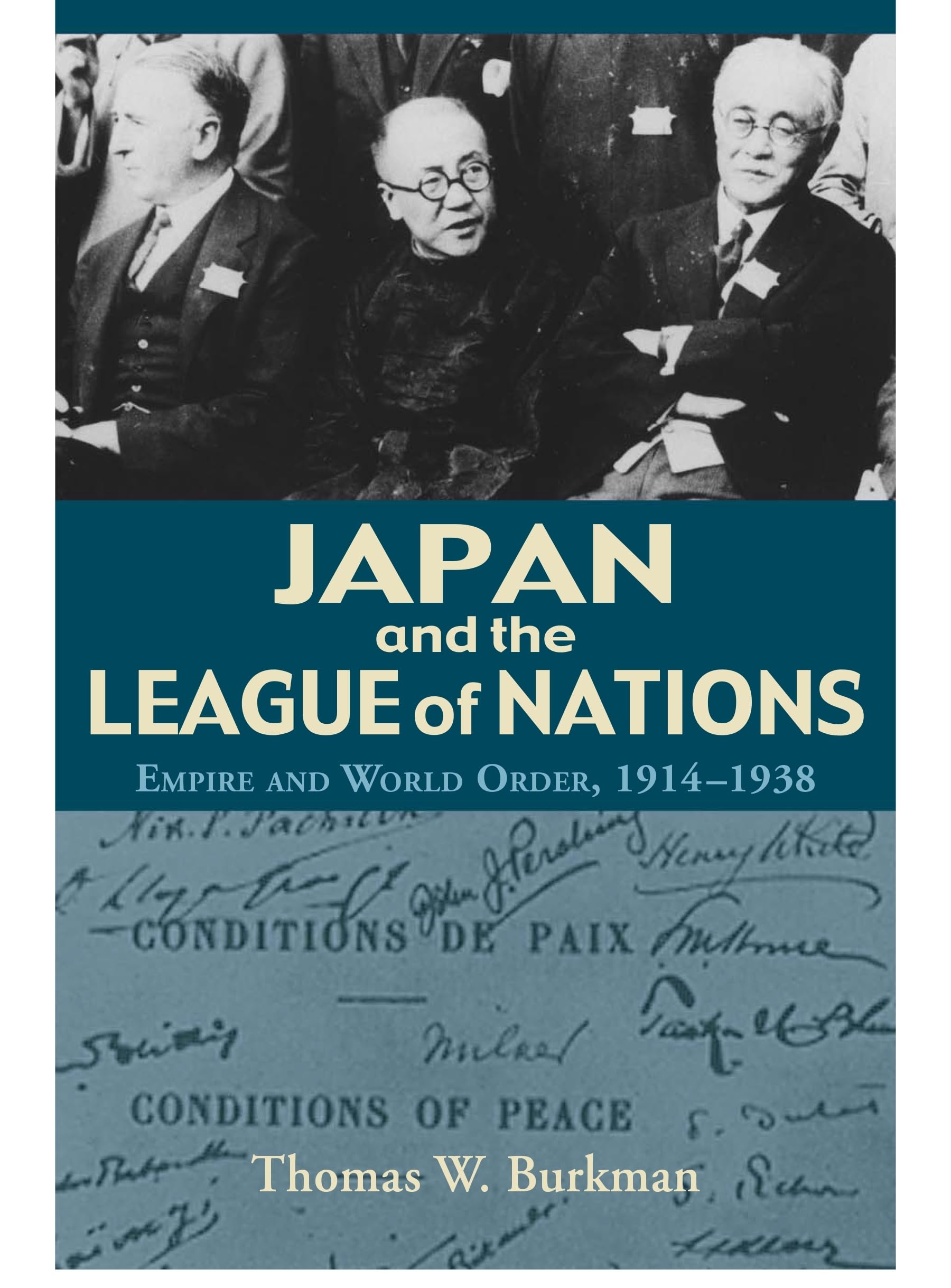
Japan And The League Of Nations: Empire And World Order, 19141938,Used
Sold by Ergodebooks, an authorized reseller.
Returns accepted within 30 days | support@ergodebooks.com
Shipping Information
- Free Standard Shipping — United States only
- Processing Time: 3–5 business days
- Estimated Delivery: 6–10 business days after dispatch
- Double-boxed, fully insured & discreetly packaged
- Tracking number sent via email once dispatched
Returns & Refund
Returns accepted within 30 days of delivery.
Damaged or Defective Item
Free return shipping + replacement or full refund
Wrong Item Received
Free return shipping + replacement or full refund
Change of Mind
Return shipping at customer's expense · 25% restocking fee applies
Payment Option

Japan Joined The League Of Nations In 1920 As A Charter Member And One Of Four Permanent Members Of The League Council. Until Conflict Arose Between Japan And The Organization Over The 1931 Manchurian Incident, The League Was A Centerpiece Of Japans Policy To Maintain Accommodation With The Western Powers. The Picture Of Japan As A Positive Contributor To International Comity, However, Is Not The Conventional View Of The Country In The Early And Midtwentieth Century. Rather, This Period Is Usually Depicted In Japan And Abroad As A History Of Incremental Imperialism And Intensifying Militarism, Culminating In War In China And The Pacific. Even The Empires Interface With The League Of Nations Is Typically Addressed Only At Nodes Of Confrontation: The 1919 Debates Over Racial Equality As The Covenant Was Drafted And The 19311933 League Challenge To Japans Seizure Of Northeast China.This Volume Fills In The Space Before, Between, And After These Nodes And Gives The League Relationship The Legitimate Place It Deserves In Japanese International History Of The 1920S And 1930S. It Also Argues That The Japanese Cooperative International Stance In The Decades Since The Pacific War Bears Noteworthy Continuity With The Mainstream International Accommodationism Of The League Years.Thomas Burkman Sheds New Light On The Meaning And Content Of Internationalism In An Era Typically Seen As A Showcase For Diplomatic Autonomy And Isolation. Well Into The 1930S, The Vestiges Of International Accommodationism Among Diplomats And Intellectuals Are Clearly Evident. The League Project Ushered Those It Affected Into World Citizenship And Inspired Them To Build Bridges Across Boundaries And Cultures. Burkmans Cogent Analysis Of Japans International Role Is Enhanced And Enlivened By His Descriptions Of The Personalities And Initiatives Of Makino Nobuaki, Ishii Kikujir, Nitobe Inaz, Matsuoka Ysuke, And Others In Their Geneva Roles.
⚠️ WARNING (California Proposition 65):
This product may contain chemicals known to the State of California to cause cancer, birth defects, or other reproductive harm.
For more information, please visit www.P65Warnings.ca.gov.