
Title
Japan, Inc.: Introduction to Japanese Economics (The Comic Book),New
Sold by Ergodebooks, an authorized reseller.
Returns accepted within 30 days | support@ergodebooks.com
Shipping Information
- Free Standard Shipping — United States only
- Processing Time: 3–5 business days
- Estimated Delivery: 6–10 business days after dispatch
- Double-boxed, fully insured & discreetly packaged
- Tracking number sent via email once dispatched
Returns & Refund
Returns accepted within 30 days of delivery.
Damaged or Defective Item
Free return shipping + replacement or full refund
Wrong Item Received
Free return shipping + replacement or full refund
Change of Mind
Return shipping at customer's expense · 25% restocking fee applies
Payment Option

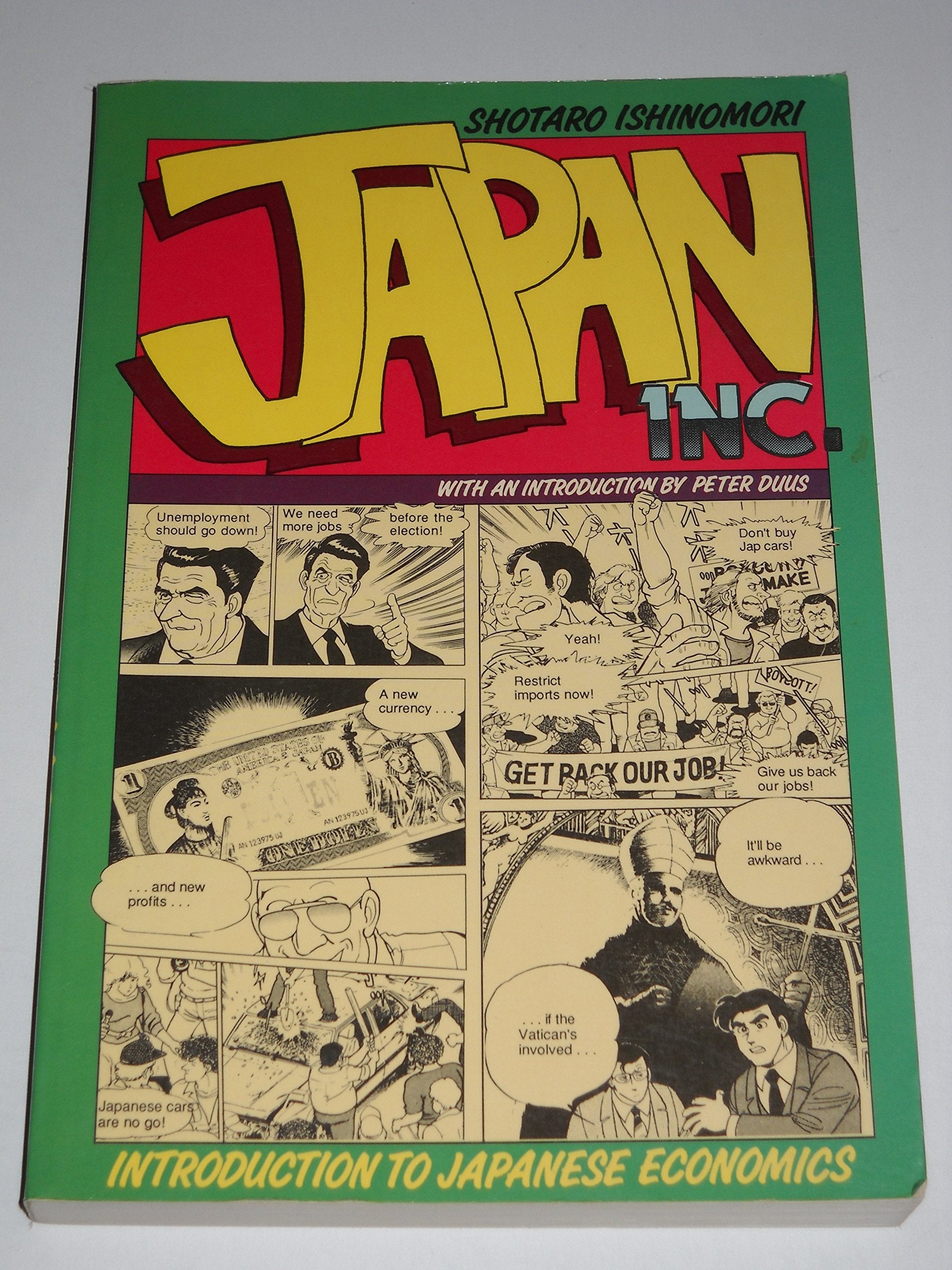
They are burning Japanese cars in Detroit. The top management at Toyosan Motors must decide whether to begin offshore production of its cars in the U.S. But our hero Mr. Kudo fears that offshore production will devastate the numerous local subcontractors of Toyosan, leading to a hollowing out of the auto industry in Japan, leaving only a financial shell. The American color TV industry has already suffered such a fate. The villain, Mr. Tsugawa, calls Kudo a wimp and sees a splendid opportunity for union busting. Will our hero prevail?Thus begins the first episode of this rollicking yet incisive introduction to the world economy from the Japanese point of view. Other episodes treat the appreciation of the yen, the impact of the 1970s oil shocks, deficit financing, the internationalization of business and banking, and the postindustrial future of Japan and the Pacific Rim.The book is an English edition of volume 1 of Manga Nihon keizai nyumon, originally published in 1986 by Nihon Keizai Shimbun, the Japanese equivalent of the Wall Street Journal. It is based on a serious introductory text put out by the newspaper and is packed with informative charts and facts. When the comic book was first published in Japan, it was an immediate bestseller, selling over 550,000 copies in less than a year.The stories in the book reflect Japan's national mood during the 'Japanese miracle' and into the 1980s economic bubble: apprehension and optimism jostle one another, and there is a sense of national selfpity. The book also reflects a deep suspicion of politics and bureaucrats. The prime minister appears more worried about his government's popularity than about taking the right economic course. Ultimately, the employees at Toyosan Motors demonstrate that the success of the Japanese economy will not depend on natural resources or politics but on business practices that are ethical, socially responsible, and forwardlooking.
⚠️ WARNING (California Proposition 65):
This product may contain chemicals known to the State of California to cause cancer, birth defects, or other reproductive harm.
For more information, please visit www.P65Warnings.ca.gov.