If you have any questions, you are always welcome to contact us. We'll get back to you as soon as possible, withing 24 hours on weekdays.
Customer service
All questions about your order, return and delivery must be sent to our customer service team by e-mail at yourstore@yourdomain.com
Sale & Press
If you are interested in selling our products, need more information about our brand or wish to make a collaboration, please contact us at press@yourdomain.com
Help
If you have any questions, you are always welcome to contact us. We'll get back to you as soon as possible, withing 24 hours on weekdays.
Customer service
All questions about your order, return and delivery must be sent to our customer service team by e-mail at yourstore@yourdomain.com
Sale & Press
If you are interested in selling our products, need more information about our brand or wish to make a collaboration, please contact us at press@yourdomain.com
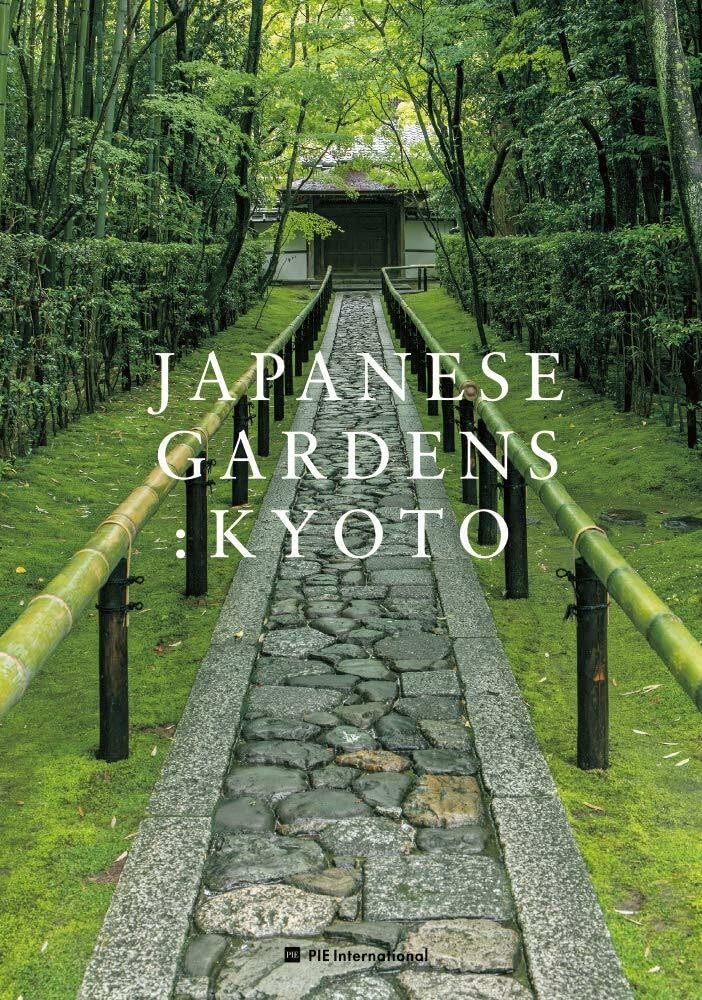
96 breathtakingly stunning Japanese gardens you must visit in KyotoKyotos gardens are among the citys many glories. They are beautiful, thoughtprovoking. These unparalleled works of art at the creative frontier between man and nature date mainly from the Kamakura, Muromachi, and early Edo periods (approximately 1200 to 1650). These were eras of political and cultural ferment left us with many significant developments in the arts from the Noh theater to weaving and dyeing. The gardens of Kyoto featured in this book are a spectacular example of this peerless art form and collectively form a distinctive aspect of Japanese cultural heritage. Gardens, by incorporating living elements into a manmade design that is then integrated with buildings and other structures, necessarily embody their builders philosophies concerning the relationship between humanity and nature. Those can be, very broadly speaking, divided into philosophies that view human beings as either dominant over or part of nature. Gardens in East Asia, and Japan in particular, tend to be of natural landscapes. The ageold Japanese view of how human beings should relate to nature is realized on a grand scale in the gardens of Kyoto.This book introduces the soul of Kyoto, the Japanese garden, in an unbroken continuity from the Heian period until today. Addressing their variations through the subcategories of temple gardens, gardens of the Imperial Family and aristocratic households, and urban courtyard and other gardens, this book offers an insight into the compelling fascination that the beauty and philosophical depth of these gardens inspire.
⚠️ WARNING (California Proposition 65):
This product may contain chemicals known to the State of California to cause cancer,
birth defects, or other reproductive harm.
For MAP (Minimum Advertised Price) violations and Intellectual Property (IP) or Trademark concerns, please contact:
support@ergodebooks.com
⚠️ California Proposition 65 Warning: Some products sold on this website may expose you to chemicals known to the State of California to cause cancer, birth defects, or other reproductive harm. For more information, visit www.P65Warnings.ca.gov.