
Title
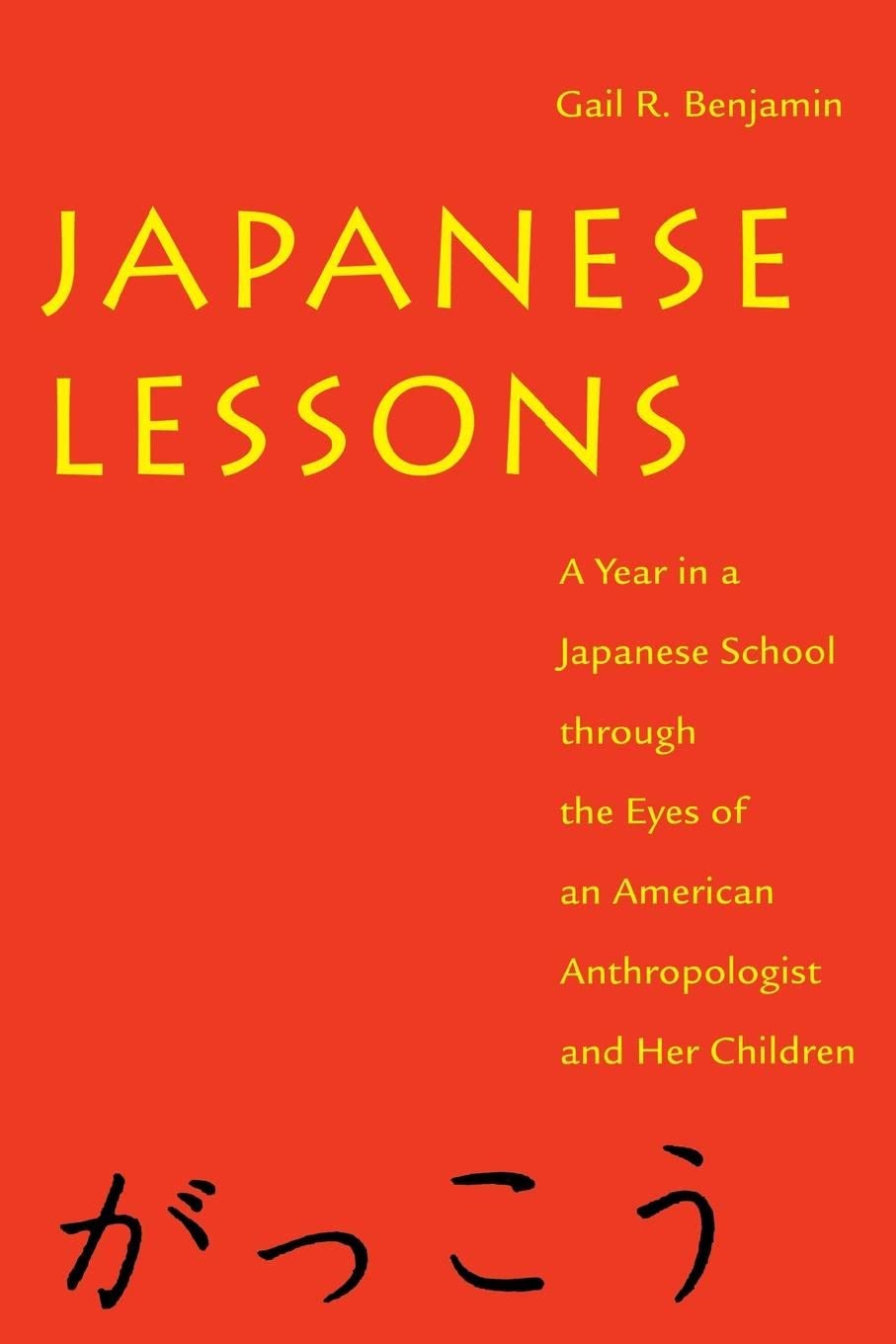
Japanese Lessons: A Year In A Japanese School Through The Eyes Of An American Anthropologist And Her Children,Used
Sold by Ergodebooks, an authorized reseller.
Returns accepted within 30 days | support@ergodebooks.com
Shipping Information
- Free Standard Shipping — United States only
- Processing Time: 3–5 business days
- Estimated Delivery: 6–10 business days after dispatch
- Double-boxed, fully insured & discreetly packaged
- Tracking number sent via email once dispatched
Returns & Refund
Returns accepted within 30 days of delivery.
Damaged or Defective Item
Free return shipping + replacement or full refund
Wrong Item Received
Free return shipping + replacement or full refund
Change of Mind
Return shipping at customer's expense · 25% restocking fee applies
Payment Option

Benjamin dismantles Americans' preconceived notions of the Japanese education system'Gail R. Benjamin reaches beyond predictable images of authoritarian Japanese educators and automaton schoolchildren to show the advantages and disadvantages of a system remarkably different from the American one...'The New York Times Book ReviewAmericans regard the Japanese educational system and the lives of Japanese children with a mixture of awe and indignance. We respect a system that produces higher literacy rates and superior math skills, but we reject the excesses of a system that leaves children with little free time and few outlets for creativity and selfexpression.In Japanese Lessons, Gail R. Benjamin recounts her experiences as a American parent with two children in a Japanese elementary school. An anthropologist, Benjamin successfully weds the roles of observer and parent, illuminating the strengths of the Japanese system and suggesting ways in which Americans might learn from it.With an anthropologist's keen eye, Benjamin takes us through a full year in a Japanese public elementary school, bringing us into the classroom with its comforting structure, lively participation, varied teaching styles, and nonauthoritarian teachers. We follow the children on class trips and Sports Days and through the rigors of summer vacation homework. We share the experiences of her young son and daughter as they react to Japanese schools, friends, and teachers. Through Benjamin we learn what it means to be a mother in Japanhow minute details, such as the way mothers prepare lunches for children, reflect cultural understandings of family and education.
⚠️ WARNING (California Proposition 65):
This product may contain chemicals known to the State of California to cause cancer, birth defects, or other reproductive harm.
For more information, please visit www.P65Warnings.ca.gov.