
Title
Japanese Mandalas: Representations Of Sacred Geography,New
Sold by Ergodebooks, an authorized reseller.
Returns accepted within 30 days | support@ergodebooks.com
Shipping Information
- Free Standard Shipping — United States only
- Processing Time: 3–5 business days
- Estimated Delivery: 6–10 business days after dispatch
- Double-boxed, fully insured & discreetly packaged
- Tracking number sent via email once dispatched
Returns & Refund
Returns accepted within 30 days of delivery.
Damaged or Defective Item
Free return shipping + replacement or full refund
Wrong Item Received
Free return shipping + replacement or full refund
Change of Mind
Return shipping at customer's expense · 25% restocking fee applies
Payment Option

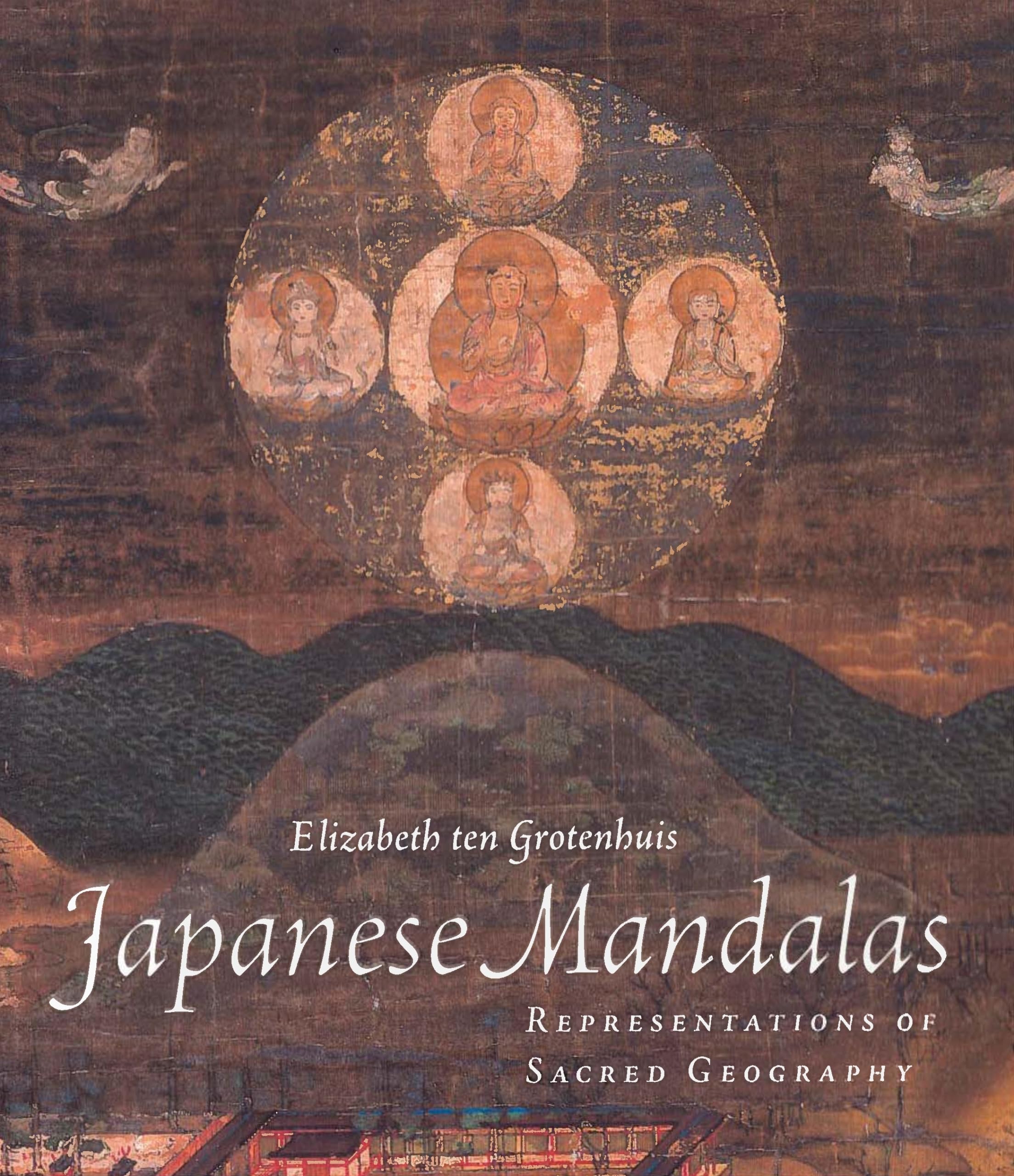
The First Broad Study Of Japanese Mandalas To Appear In A Western Language, This Volume Interprets Mandalas As Sanctified Realms Where Identification Between The Human And The Sacred Occurs. The Author Investigates Eighth To Seventeenthcentury Paintings From Three Traditions: Esoteric Buddhism, Pure Land Buddhism, And The Kamiworshipping (Shinto) Tradition. It Is Generally Recognized That Many Of These Mandalas Are Connected With Texts And Images From India And The Himalayas. A Pioneering Theme Of This Study Is That, In Addition To The South Asian Connections, Certain Paradigmatic Japanese Mandalas Reflect Prebuddhist Chinese Concepts, Including Geographical Concepts. In Convincing And Lucid Prose, Ten Grotenhuis Chronicles An Intermingling Of Visual, Doctrinal, Ritual, And Literary Elements In These Mandalas That Has Come To Be Seen As Characteristic Of The Japanese Religious Tradition As A Whole.This Beautifully Illustrated Work Begins In The First Millennium B.C.E. In China With An Introduction To The Book Of Documents And Ends In Presentday Japan At The Sacred Site Of Kumano. Ten Grotenhuis Focuses On The Diamond And Womb World Mandalas Of Esoteric Buddhist Tradition, On The Taima Mandala And Other Related Mandalas From The Pure Land Buddhist Tradition, And On Mandalas Associated With The Kamiworshipping Sites Of Kasuga And Kumano. She Identifies Specific Sacred Places In Japan With Sacred Places In India And With Buddhist Cosmic Diagrams. Through These Identifications, The Realm Of The Buddhas Is Identified With The Realms Of The Kami And Of Human Beings, And Japanese Geographical Areas Are Identified With Buddhist Sacred Geography. Explaining Why Certain Fundamental Japanese Mandalas Look The Way They Do And How Certain Visual Forms Came To Embody The Sacred, Ten Grotenhuis Presents Works That Show A Complex Mixture Of Indian Buddhist Elements, Prebuddhist Chinese Elements, Chinese Buddhist Elements, And Indigenous Japanese Elements.
⚠️ WARNING (California Proposition 65):
This product may contain chemicals known to the State of California to cause cancer, birth defects, or other reproductive harm.
For more information, please visit www.P65Warnings.ca.gov.
- Q: What are the dimensions of the book? A: The book measures eight inches by nine inches and is zero point six one inches thick.
- Q: How many pages does this book have? A: This book contains two hundred forty-eight pages.
- Q: What type of binding does this book have? A: The book is available in a paperback binding.
- Q: Who is the author of this book? A: The author of this book is Elizabeth ten Grotenhuis.
- Q: What is the main subject of this book? A: The main subject of the book is the study of Japanese mandalas and their sacred significance.
- Q: What is the historical time frame covered in the book? A: The book covers an extensive historical period from the eighth century to the seventeenth century.
- Q: How do I read and understand the themes in this book? A: To understand the themes, you can follow the author's analysis of mandalas through various Japanese traditions.
- Q: Is this book suitable for beginners in art history? A: Yes, this book is suitable for beginners as it provides a broad overview of the subject matter.
- Q: Can this book be used in academic studies? A: Yes, this book can serve as a valuable resource for academic studies in art history and religious studies.
- Q: How should I care for this book to maintain its condition? A: To maintain the book's condition, store it in a cool, dry place and avoid exposing it to direct sunlight.
- Q: Is this book safe to handle for all ages? A: Yes, the content of this book is appropriate for general audiences and safe to handle.
- Q: What if the book arrives damaged? A: If the book arrives damaged, please contact customer support for a return or exchange.
- Q: Does the book have any illustrations? A: Yes, the book includes color and black-and-white illustrations.
- Q: What should I do if I have questions about the book's content? A: If you have questions about the content, consider reaching out to academic forums or book clubs for discussion.
- Q: Does this book compare Japanese mandalas to other cultural traditions? A: Yes, this book compares Japanese mandalas with elements from South Asian and pre-Buddhist Chinese traditions.
- Q: How can I find more books like this one? A: You can find similar books by searching for titles related to Japanese art, mandalas, or religious studies.