
Title
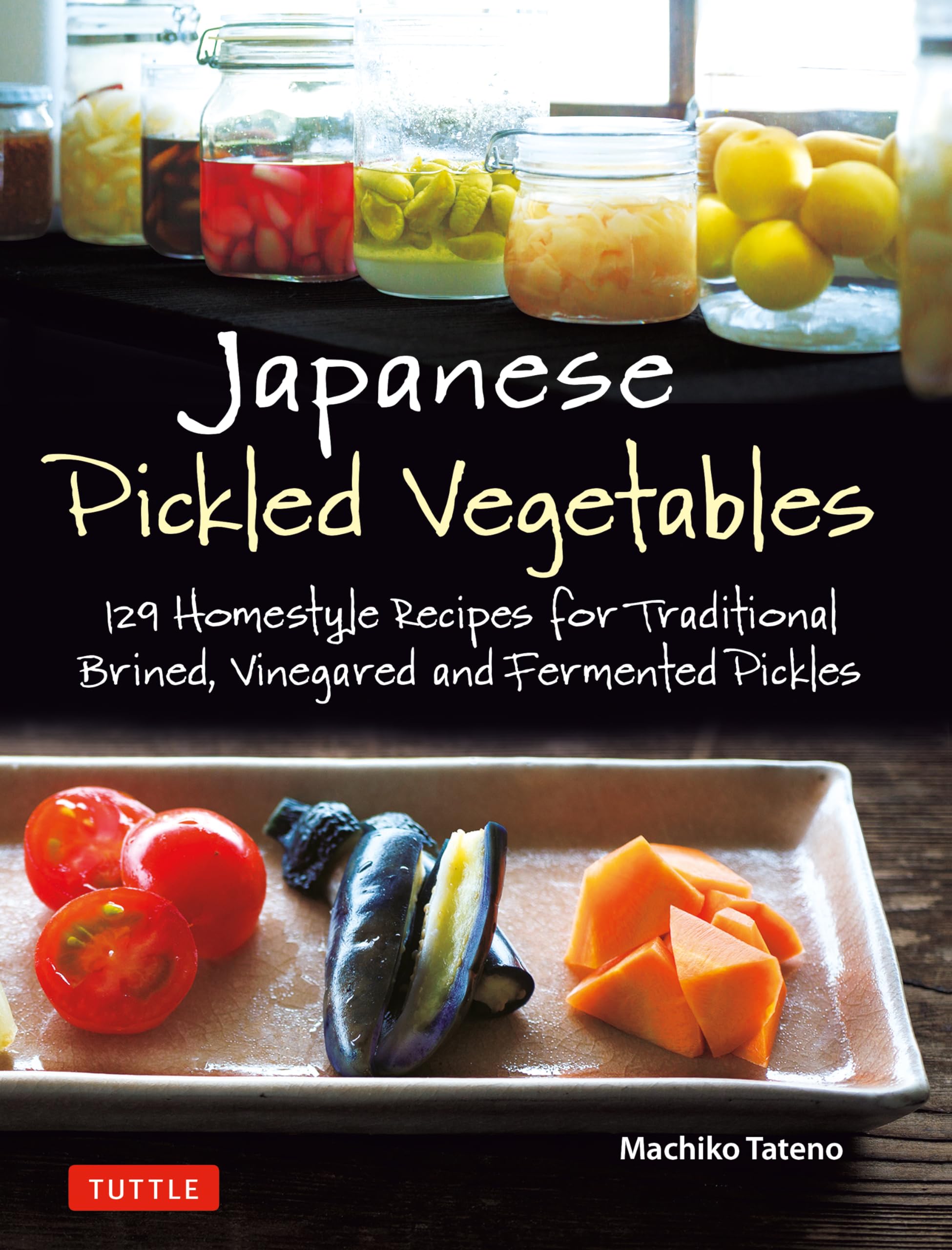
Japanese Pickled Vegetables: 129 Homestyle Recipes For Traditional Brined, Vinegared And Fermented Pickles
Sold by Ergodebooks, an authorized reseller.
Returns accepted within 30 days | support@ergodebooks.com
Shipping Information
- Free Standard Shipping — United States only
- Processing Time: 3–5 business days
- Estimated Delivery: 6–10 business days after dispatch
- Double-boxed, fully insured & discreetly packaged
- Tracking number sent via email once dispatched
Returns & Refund
Returns accepted within 30 days of delivery.
Damaged or Defective Item
Free return shipping + replacement or full refund
Wrong Item Received
Free return shipping + replacement or full refund
Change of Mind
Return shipping at customer's expense · 25% restocking fee applies
Payment Option

**2020 Iacp Cookbook Award Finalist For Health & Nutrition****2020 Gourmand Cookbook Award Winner For Japan In Fermentation**Nutrientrich, Inexpensive And Incredibly Tastysimple Homemade Japanese Tsukemono (Pickles) Are An Integral Part Of Everyday Meals In Japan. Every Japanese Family Has Their Own Tsukemono Recipes Handed Down Through The Generations.In Japanese Pickled Vegetables, Dietician And Fermented Food Expert Machiko Tateno Has Collected More Than 120 Easy, Healthy Recipes For Pickled, Preserved And Fermented Vegetables. These Pickle Recipes Use Ingredients That Are Easily Available In The Westincluding Asparagus, Cabbage, Eggplant, Zucchini, Tomatoes, Garlic, Daikon, Turnips And Squashes, Olive Oil, Honey And Yogurt. More Adventurous Cooks Can Try Their Hand At Traditional Japanese Pickled Vegetables Like Burdock Root, Bitter Melon, Lotus Root And Wasabi Greens.The Recipes Are Crossreferenced By Vegetable And Pickling Method. A Chapter On Regional Pickling Recipes And Styles Lets Home Cooks Learn More About The Traditional Art Of Tsukemono In Japanfrom Tokyo To Rural Farm Villages. A Section On Pickling Fresh Seasonal Vegetables Helps You To Make The Most Of Your Fresh Garden Produce, While Another Provides Recipes Using Fermented Seasoningssuch As Miso Marinated Garlic And Salted Peppercorns That Can Be Used To Enhance The Umami Flavor Of Any Dish!An Important Part Of Japanese Cuisine, Japanese Pickles Are Often Made The Day They Are Eaten, And Used As Side Dishes, Bar Snacks Or Garnishes. Whether You Have Your Own Vegetable Garden And Want Ways To Preserve Your Bounty Into The Winter, Or Are Just Looking For Healthy Meal Inspiration, These Homemade Japanese Superfood Recipes Are A Great Place To Start.
⚠️ WARNING (California Proposition 65):
This product may contain chemicals known to the State of California to cause cancer, birth defects, or other reproductive harm.
For more information, please visit www.P65Warnings.ca.gov.
- Q: How many pages does this book have? A: This book has one hundred forty-four pages. It offers a comprehensive collection of recipes for Japanese pickled vegetables.
- Q: What is the binding type of this book? A: The binding type is paperback. This makes it lightweight and easy to handle in the kitchen.
- Q: Who is the author of this book? A: The author is Machiko Tateno. She is a dietician and expert in fermented foods.
- Q: What are the dimensions of the book? A: The book measures seven point five two inches in length, zero point five one inches in width, and ten inches in height. These dimensions make it a convenient size for shelf storage.
- Q: What category does this book fall under? A: This book falls under the category of Canning & Preserving. It focuses on the art of Japanese pickling.
- Q: How do I use the recipes in this book? A: You can use the recipes by following the detailed instructions provided for each type of pickle. The recipes range from simple to more adventurous, accommodating various skill levels.
- Q: Are the recipes suitable for beginners? A: Yes, the recipes are suitable for beginners. They are designed to be easy to follow, with many using readily available ingredients.
- Q: Can I make pickles using seasonal vegetables? A: Yes, the book includes a section dedicated to pickling fresh seasonal vegetables. This allows you to utilize your garden produce effectively.
- Q: Is this book beneficial for health-conscious cooks? A: Yes, this book is beneficial for health-conscious cooks. It provides nutrient-rich recipes that are inexpensive and easy to prepare.
- Q: How should I store the pickles made from these recipes? A: You should store the pickles in a cool, dark place, ideally in glass jars. This helps maintain their flavor and freshness.
- Q: What is the shelf life of the pickles made from this book? A: The shelf life varies depending on the pickling method used, but generally, homemade pickles can last several weeks to months when stored properly.
- Q: Are the recipes suitable for vegetarians? A: Yes, the recipes are suitable for vegetarians. They focus on vegetables and do not require meat or fish ingredients.
- Q: What if I receive a damaged book? A: If you receive a damaged book, you should contact the seller for a replacement or return. Most retailers have policies in place for such issues.
- Q: Can I find recipes for traditional Japanese pickles in this book? A: Yes, the book includes traditional Japanese pickling recipes. It features unique ingredients like burdock root and lotus root.
- Q: Is the book award-winning? A: Yes, it is a finalist for the 2020 IACP Cookbook Award in Health & Nutrition and a winner of the 2020 Gourmand Cookbook Award for Japan in Fermentation.