
Title
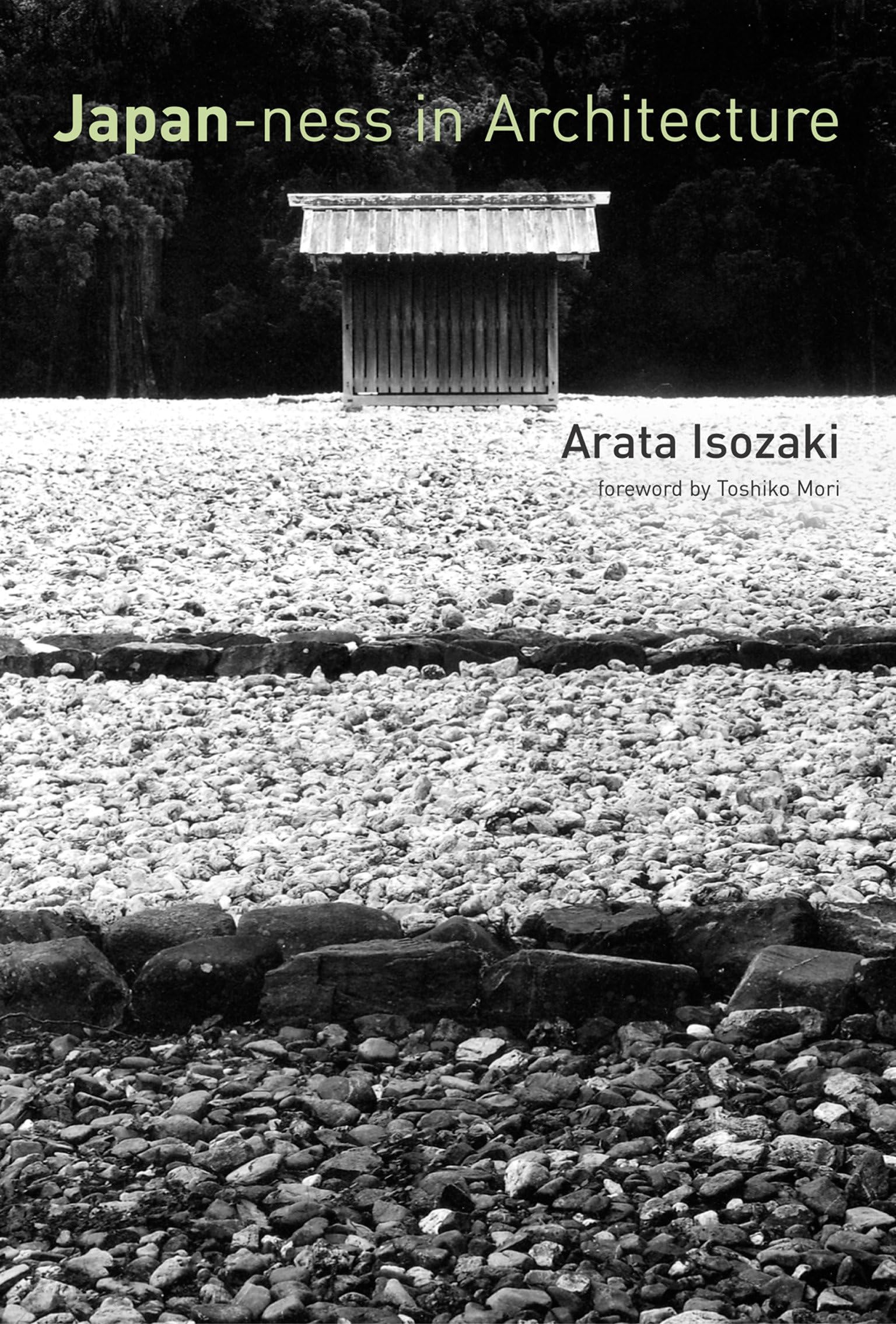
Japanness in Architecture (Mit Press),Used
Sold by Ergodebooks, an authorized reseller.
Returns accepted within 30 days | support@ergodebooks.com
Shipping Information
- Free Standard Shipping — United States only
- Processing Time: 3–5 business days
- Estimated Delivery: 6–10 business days after dispatch
- Double-boxed, fully insured & discreetly packaged
- Tracking number sent via email once dispatched
Returns & Refund
Returns accepted within 30 days of delivery.
Damaged or Defective Item
Free return shipping + replacement or full refund
Wrong Item Received
Free return shipping + replacement or full refund
Change of Mind
Return shipping at customer's expense · 25% restocking fee applies
Payment Option

One of Japan's leading architects examines notions of Japanness as exemplified by key events in Japanese architectural history from the seventh to the twentieth century; essays on buildings and their cultural context.Japanese architect Arata Isozaki sees buildings not as dead objects but as events that encompass the social and historical contextnot to be defined forever by their 'everlasting materiality' but as texts to be interpreted and reread continually. In Japanness in Architecture, he identifies what is essentially Japanese in architecture from the seventh to the twentieth century. In the opening essay, Isozaki analyzes the struggles of modern Japanese architects, including himself, to create something uniquely Japanese out of modernity. He then circles back in history to find what he calls Japanness in the seventhcentury Ise shrine, reconstruction of the twelfthcentury Todaiji Temple, and the seventeenthcentury Katsura Imperial Villa. He finds the periodic ritual relocation of Ise's precincts a counter to the West's concept of architectural permanence, and the repetition of the ritual an alternative to modernity's anxious quest for origins. He traces the 'constructive power' of the Todaiji Temple to the vision of the director of its reconstruction, the monk Chogen, whose imaginative power he sees as corresponding to the revolutionary turmoil of the times. The Katsura Imperial Villa, with its chimerical spaces, achieved its own Japanness as it reinvented the traditional shoin style.And yet, writes Isozaki, what others consider to be the Japanese aesthetic is often the opposite of that essential Japanness born in moments of historic selfdefinition; the purified stylizationwhat Isozaki calls 'Japanesquization'lacks the energy of cultural transformation and reflects an island retrenchment in response to the pressure of other cultures.Combining historical survey, critical analysis, theoretical reflection, and autobiographical account, these essays, written over a period of twenty years, demonstrate Isozaki's standing as one of the world's leading architects and preeminent architectural thinkers.
⚠️ WARNING (California Proposition 65):
This product may contain chemicals known to the State of California to cause cancer, birth defects, or other reproductive harm.
For more information, please visit www.P65Warnings.ca.gov.