
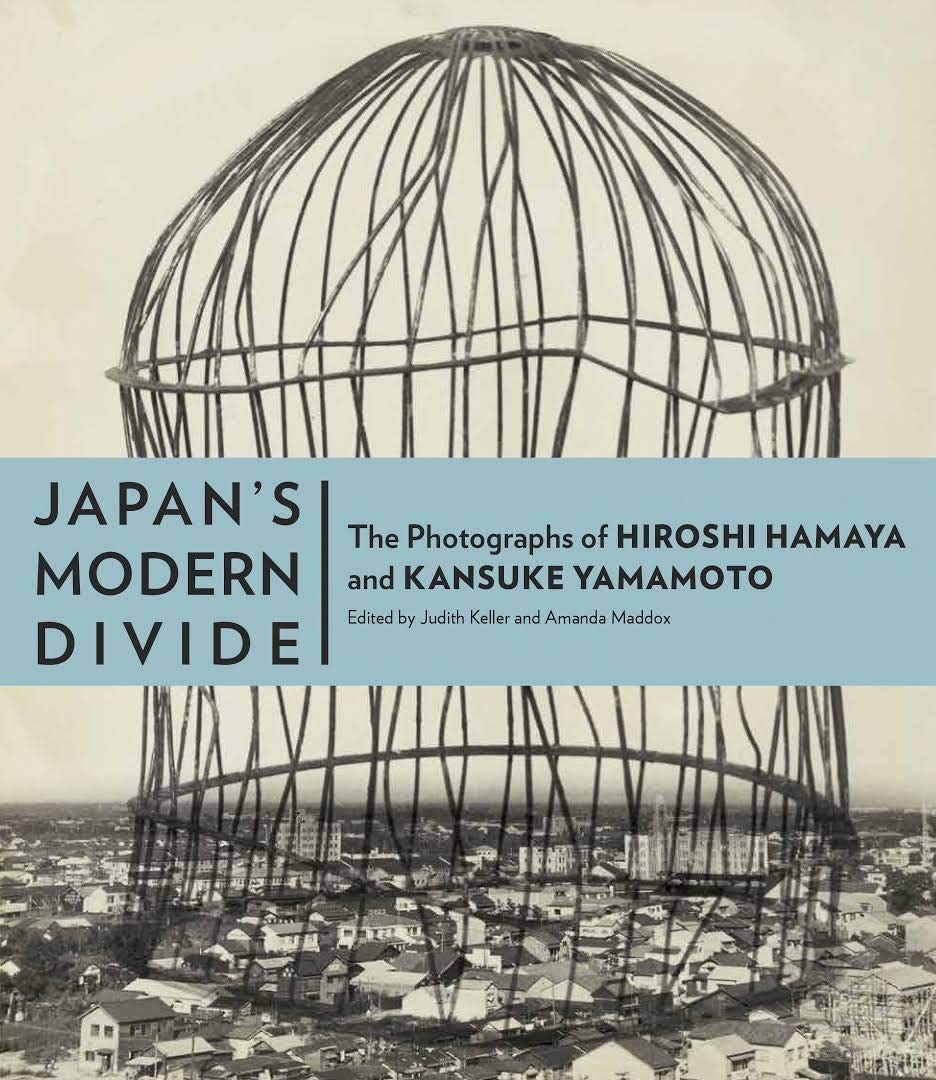
Title
Japans Modern Divide: The Photographs of Hiroshi Hamaya and Kansuke Yamamoto,Used
Sold by Ergodebooks, an authorized reseller.
Returns accepted within 30 days | support@ergodebooks.com
Shipping Information
- Free Standard Shipping — United States only
- Processing Time: 3–5 business days
- Estimated Delivery: 6–10 business days after dispatch
- Double-boxed, fully insured & discreetly packaged
- Tracking number sent via email once dispatched
Returns & Refund
Returns accepted within 30 days of delivery.
Damaged or Defective Item
Free return shipping + replacement or full refund
Wrong Item Received
Free return shipping + replacement or full refund
Change of Mind
Return shipping at customer's expense · 25% restocking fee applies
Payment Option

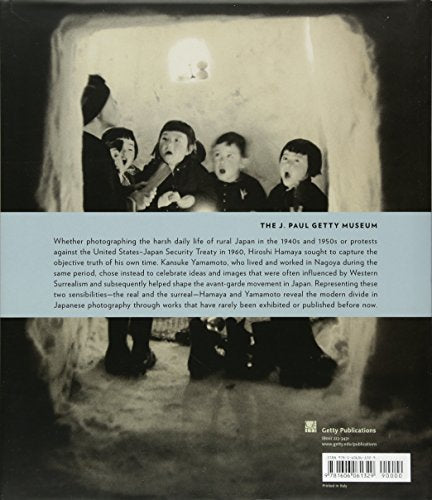
In the 1930s the history of Japanese photography evolved in two very different directions: one toward documentary photography, the other favoring an experimental, or avantgarde, approach strongly influenced by Western Surrealism. This book explores these two strains of modern Japanese photography through the work of two remarkable figures: Hiroshi Hamaya and Kansuke Yamamoto.Hiroshi Hamaya (19151999) was born and raised in Tokyo and, after an initial period of creative experimentation, turned his attention to recording traditional life and culture on the coast of the Sea of Japan. In 1940 he began photographing the New Years rituals in a remote village, which was published as Yukiguni (Snow country). He went on to record cultural changes in China, political protests in Japan, and landscapes around the world.Kansuke Yamamoto (19141987) became fascinated by the innovative approaches in art and literature exemplified by such Western artists as Man Ray, Ren Magritte, and Yves Tanguy. He promoted Surrealist and avantgarde ideas in Japan through his poetry, paintings, sculptures, and photographs.Along with essays by the books coeditors, Judith Keller and Amanda Maddox, are essays by Kotaro Iizawa, Ryuichi Kaneko, and Jonathan M. Reynolds, life chronologies, and a selection of poems by Yamamoto translated by John Solt. This book, which features more than one hundred images, accompanies an exhibition of the same name on view at the J. Paul Getty Museum from March 26 to August 25, 2013.
⚠️ WARNING (California Proposition 65):
This product may contain chemicals known to the State of California to cause cancer, birth defects, or other reproductive harm.
For more information, please visit www.P65Warnings.ca.gov.
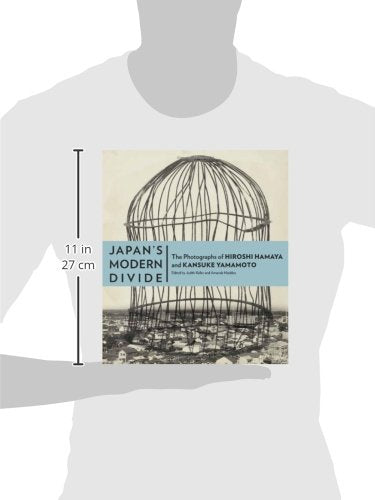
- Q: What is the size of the book? A: The book measures nine and a half inches in length by eleven inches in height and one inch in width.
- Q: How many pages does the book have? A: The book contains two hundred twenty-four pages, featuring a mix of essays and photographs.
- Q: What type of binding does the book have? A: The book is bound in hardcover, providing durability and a high-quality feel.
- Q: Who is the author of this book? A: The book is authored by Judith Keller, who also coedited the book alongside Amanda Maddox.
- Q: What kind of photographs are included in the book? A: The book includes full-color and black-and-white photographs, showcasing the works of Hiroshi Hamaya and Kansuke Yamamoto.
- Q: How do I read this book? A: You simply open the book and start reading from the front cover to the back, as it follows a traditional format.
- Q: Is this book suitable for beginners in photography? A: Yes, this book is suitable for beginners as it provides insightful context about Japanese photography and its evolution.
- Q: What themes does the book explore? A: The book explores themes of documentary versus avant-garde photography, highlighting cultural changes in Japan and beyond.
- Q: Can this book be used in educational settings? A: Yes, this book can be utilized in educational settings for courses on photography, art history, and cultural studies.
- Q: How should I store this book to keep it in good condition? A: Store the book upright on a shelf, away from direct sunlight and moisture, to maintain its condition.
- Q: Is this book safe for children to read? A: Yes, the book is generally safe for children, although parental guidance is advised for younger readers due to historical context.
- Q: How do I clean the book if it gets dirty? A: Gently wipe the cover with a soft, dry cloth to remove dust and avoid using liquids that may damage the pages.
- Q: What if the book arrives damaged? A: If the book arrives damaged, you can return it within the store's return policy timeframe for a replacement or refund.
- Q: Does this book include essays from other authors? A: Yes, it includes essays from authors like Kotaro Iizawa, Ryuichi Kaneko, and Jonathan M. Reynolds.
- Q: What is the main focus of the exhibition related to this book? A: The exhibition focuses on the contrasting styles of Hiroshi Hamaya and Kansuke Yamamoto in Japanese photography.