
Title
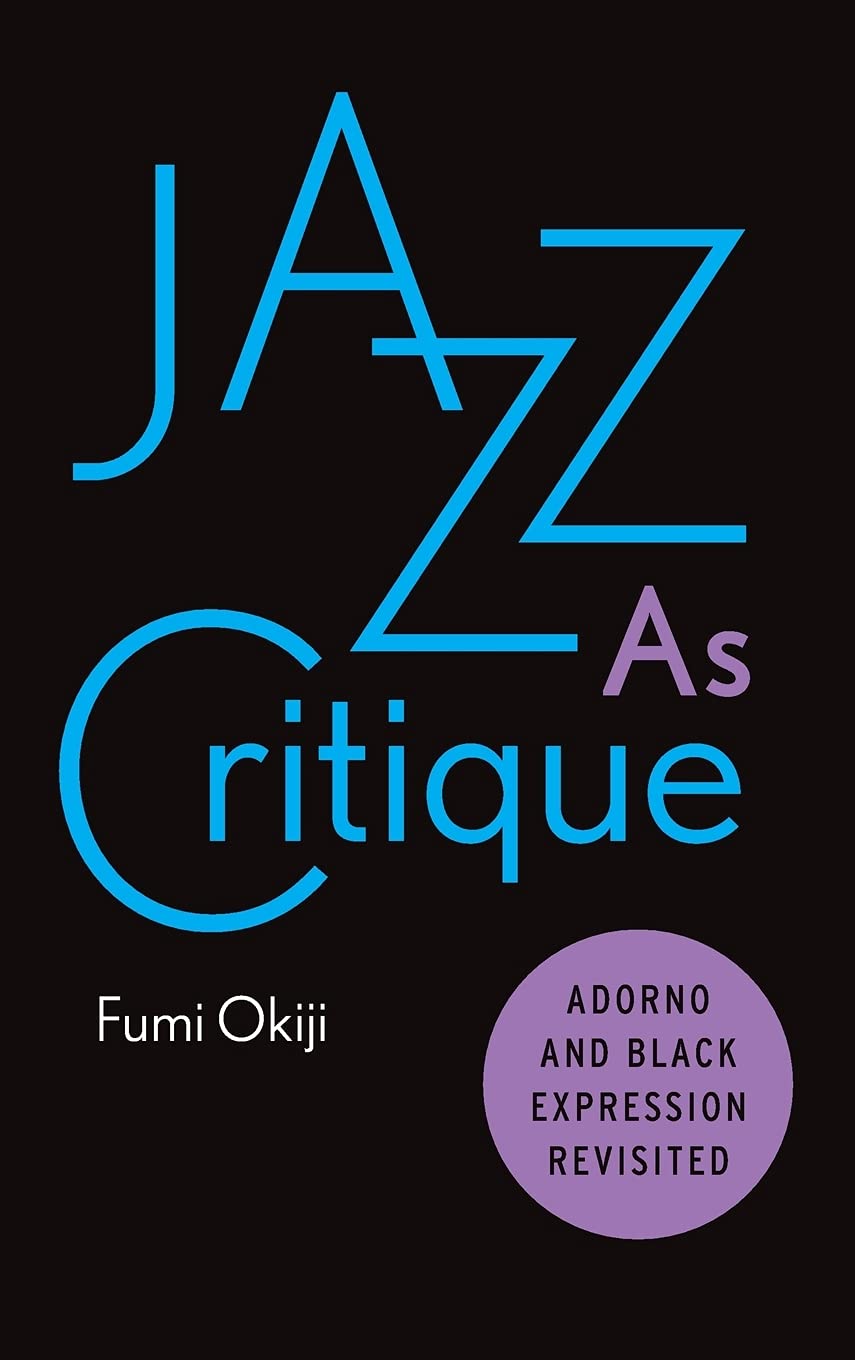
Jazz As Critique: Adorno and Black Expression Revisited,Used
Sold by Ergodebooks, an authorized reseller.
Returns accepted within 30 days | support@ergodebooks.com
Shipping Information
- Free Standard Shipping — United States only
- Processing Time: 3–5 business days
- Estimated Delivery: 6–10 business days after dispatch
- Double-boxed, fully insured & discreetly packaged
- Tracking number sent via email once dispatched
Returns & Refund
Returns accepted within 30 days of delivery.
Damaged or Defective Item
Free return shipping + replacement or full refund
Wrong Item Received
Free return shipping + replacement or full refund
Change of Mind
Return shipping at customer's expense · 25% restocking fee applies
Payment Option

A sustained engagement with Theodor Adorno, Jazz As Critique looks to jazz for ways of understanding the inadequacies of contemporary life. Adorno's writings on jazz are notoriously dismissive. Nevertheless, Adorno does have faith in the critical potential of some musical traditions. Music, he suggests, can provide insight into the controlling, destructive nature of modern society while offering a glimpse of more empathetic and less violent ways of being together in the world. Taking Adorno down a path he did not go, this book calls attention to an alternative sociality made manifest in jazz. In response to writing that tends to portray it as a mirror of American individualism and democracy, Fumi Okiji makes the case for jazz as a model of "gathering in difference."Noting that this mode of subjectivity emerged in response to the distinctive history of black America, she reveals that the music cannot but call the integrity of the world into question.
⚠️ WARNING (California Proposition 65):
This product may contain chemicals known to the State of California to cause cancer, birth defects, or other reproductive harm.
For more information, please visit www.P65Warnings.ca.gov.