
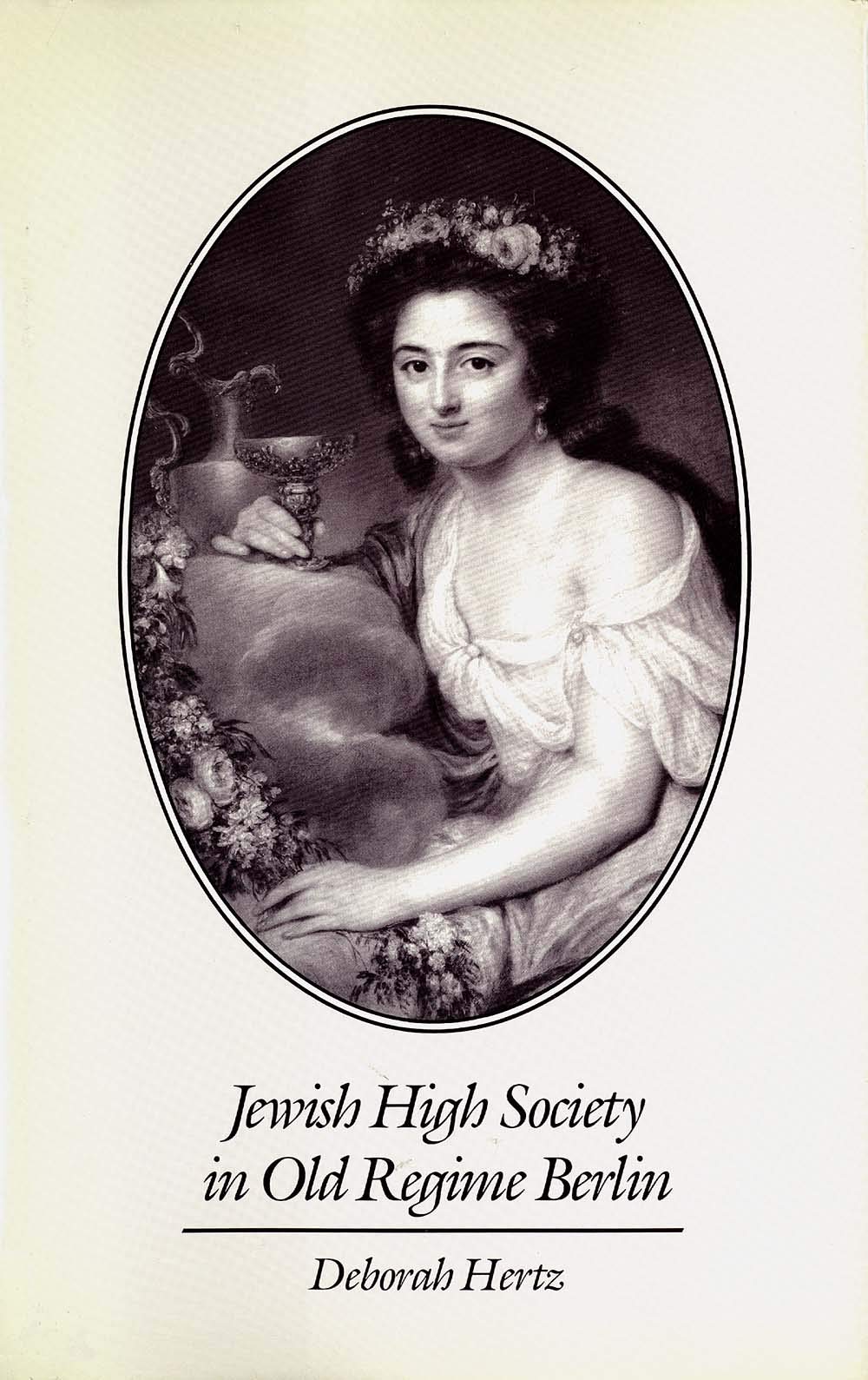
Title
Jewish High Society in Old Regime Berlin,Used
Sold by Ergodebooks, an authorized reseller.
Returns accepted within 30 days | support@ergodebooks.com
Shipping Information
- Free Standard Shipping — United States only
- Processing Time: 3–5 business days
- Estimated Delivery: 6–10 business days after dispatch
- Double-boxed, fully insured & discreetly packaged
- Tracking number sent via email once dispatched
Returns & Refund
Returns accepted within 30 days of delivery.
Damaged or Defective Item
Free return shipping + replacement or full refund
Wrong Item Received
Free return shipping + replacement or full refund
Change of Mind
Return shipping at customer's expense · 25% restocking fee applies
Payment Option

During the quarter century between 1780 and 1806, Berlin's courtly and intellectual elites gathered in the homes of a few wealthy, cultivated Jewish women to discuss the events of the day. Princes, nobles, upwardly mobile writers, actors, and beautiful Jewish women flocked to the salons of Rahel Varnhagen, Henriette Herz, and Dorothea von Courland, creating both a new cultural institution and an example of social mixing unprecedented in the German past. In this book, Deborah Hertz offers the first detailed history of these salons, using rich narrative as well as analytic social history to explain why such an institution arose and what it meant to those involved.Hertz reconstructs the cultural and social context that nurtured salon life, describing how the salons emerged out of courtly society, commercial leisure institutions, and the city's new intellectual clubs. Using a collective biography of one hundred participants in sixteen salons, Hertz shows that there were complex social and personal motives for salon participation. Noblemen, for example, needed Jewish financiers for private loans, but they also wanted access to more progressive cultural currents. For Jewish women, salon leadership offered not only an escape from a restricted home life but also social and personal power, power that was frequently consolidated in their upwardly mobile marriages to noblemen.However advantageous and stimulating these salons were for their participants, they were the product of a transitory convergence of social and cultural structures. Hertz concludes by exploring how both underground antisemitic gossip and the new patriotism unleashed by the upheavals in Prussia after 1806 destroyed Jewish salon life in Berlin.
⚠️ WARNING (California Proposition 65):
This product may contain chemicals known to the State of California to cause cancer, birth defects, or other reproductive harm.
For more information, please visit www.P65Warnings.ca.gov.