
Title
Jewish Identities in Iran: Resistance and Conversion to Islam and the Baha'i Faith (Library of Modern Religion),Used
Sold by Ergodebooks, an authorized reseller.
Returns accepted within 30 days | support@ergodebooks.com
Shipping Information
- Free Standard Shipping — United States only
- Processing Time: 3–5 business days
- Estimated Delivery: 6–10 business days after dispatch
- Double-boxed, fully insured & discreetly packaged
- Tracking number sent via email once dispatched
Returns & Refund
Returns accepted within 30 days of delivery.
Damaged or Defective Item
Free return shipping + replacement or full refund
Wrong Item Received
Free return shipping + replacement or full refund
Change of Mind
Return shipping at customer's expense · 25% restocking fee applies
Payment Option

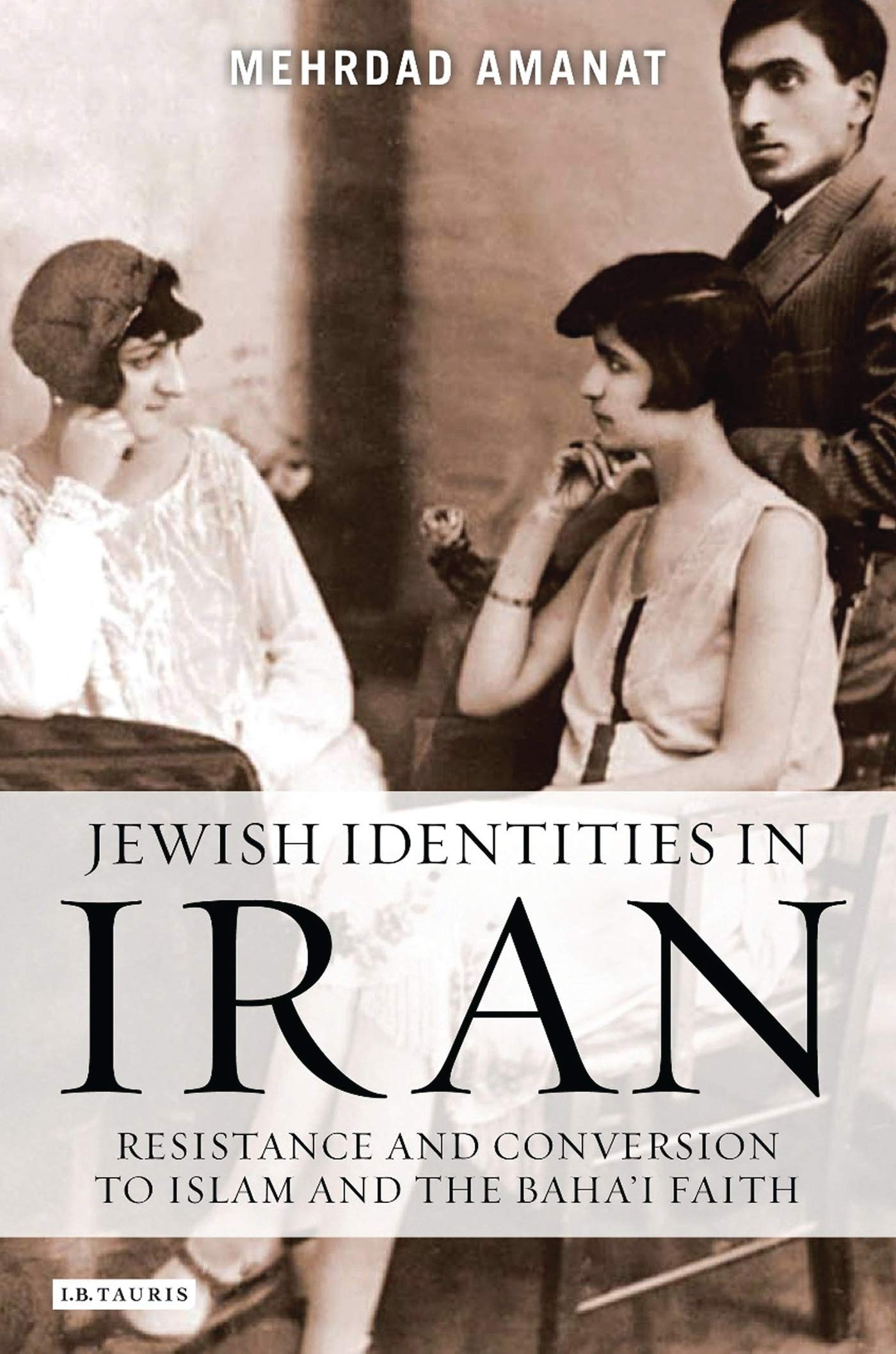
The nineteenth century was a time of significant global socioeconomic change, and Persian Jews, like other Iranians, were deeply affected by its challenges. For minority faith groups living in nineteenthcentury Iran, religious conversion to Islam both voluntary and involuntary was the primary means of social integration and assimilation. However, why was it that some Persian Jews, who had for centuries resisted the relative security of Islam, instead embraced the Baha'i Faith which was subject to harsher persecution that Judaism? Baha'ism emerged from the messianic Babi movement in the midnineteenth century and attracted large numbers of mostly Muslim converts, and its ecumenical message appealed to many Iranian Jews. Many converts adopted fluid, multiple religious identities, revealing an alternative to the widely accepted notion of religious experience as an oppressive, rigidly dogmatic and consistently divisive social force. Mehrdad Amanat explores the conversion experiences of Jewish families during this time. Many converted sporadically to Islam, although not always voluntarily.The most notorious case of forced massconversion in modern times occurred in Mashhad in 1839 when, in response to an organized attack, the entire Jewish community converted to Shi'i Islam. A contrast is offered by a Tehran Jewish family of court physicians who nominally converted to Islam and yet continued to openly observe Jewish rituals while also remaining intellectually sympathetic to Baha'ism. Many petty merchants and pedlars, in a position to benefit from Iran's expanding market, migrated from ancient communities to thriving trade centres which proved fertile grounds for the spread of new ideas and, often, conversion to Christianity or Baha'ism. This is an important scholarly contribution which also provides a fascinating insight into the personal experiences of Jewish families living in nineteenthcentury Iran.
⚠️ WARNING (California Proposition 65):
This product may contain chemicals known to the State of California to cause cancer, birth defects, or other reproductive harm.
For more information, please visit www.P65Warnings.ca.gov.