
Title
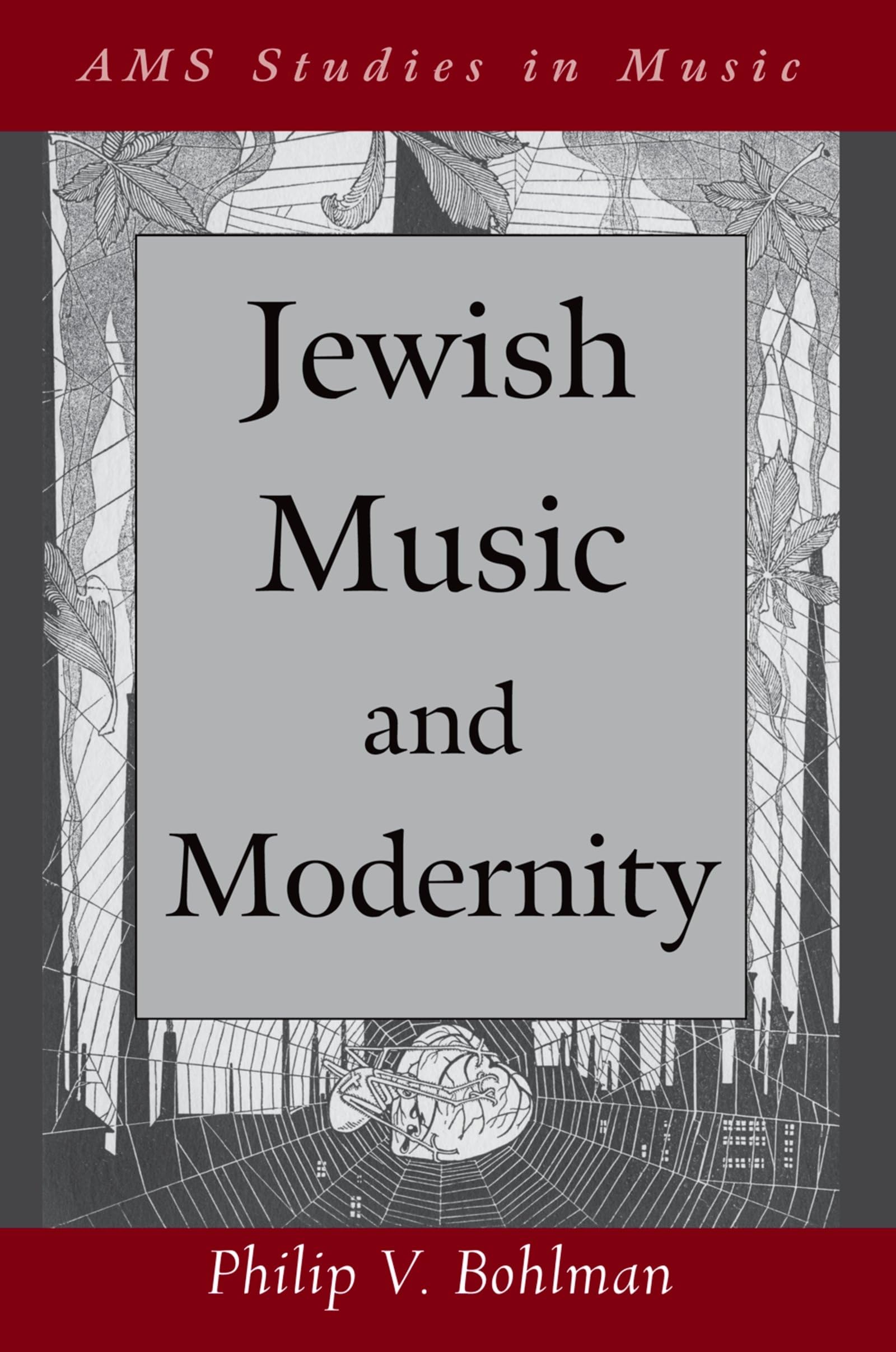
Jewish Music and Modernity (AMS Studies in Music),Used
Sold by Ergodebooks, an authorized reseller.
Returns accepted within 30 days | support@ergodebooks.com
Shipping Information
- Free Standard Shipping — United States only
- Processing Time: 3–5 business days
- Estimated Delivery: 6–10 business days after dispatch
- Double-boxed, fully insured & discreetly packaged
- Tracking number sent via email once dispatched
Returns & Refund
Returns accepted within 30 days of delivery.
Damaged or Defective Item
Free return shipping + replacement or full refund
Wrong Item Received
Free return shipping + replacement or full refund
Change of Mind
Return shipping at customer's expense · 25% restocking fee applies
Payment Option

Is there really such a thing as Jewish music? And how does it survive as a practice of worship and cultural expression even in the face of the many brutal aesthetic and political challenges of modernity? In Jewish Music and Modernity, Philip V. Bohlman imparts these questions with a new light that transforms the very historiography of Jewish culture in modernity.Based on decades of fieldwork and archival study throughout the world, Bohlman intensively examines the many ways in which music has historically borne witness to the confrontation between modern Jews and the world around them. Weaving a historical narrative that spans from the end of the Middle Ages to the Holocaust, he moves through the vast confluence of musical styles and repertories. From the sacred and to the secular, from folk to popular music, and in the many languages in which it was written and performed, he accounts for areas of Jewish music that have rarely been considered before. Jewish music, argues Bohlman, both survived in isolation and transformed the nations in which it lived. When Jews and Jewish musicians entered modernity, authenticity became an ideal to be supplanted by the reality of complex traditions. Klezmer music emerged in rural communities cohabited by Jews and Roma; Jewish cabaret resulted from the collaborations of migrant Jews and nonJews to the nineteenthcentury metropoles of Berlin and Budapest, Prague and Vienna; cantors and composers experimented with new sounds. The modernist impulse from Felix Mendelssohn to Gustav Pick to Arnold Schoenberg and beyond became possible because of the ways music juxtaposed aesthetic and cultural differences.Jewish Music and Modernity demonstrates how borders between repertories are crossed and the sound of modernity is enriched by the movement of music and musicians from the peripheries to the center of modern culture. Bohlman ultimately challenges readers to experience the modern confrontation of self and other anew.
⚠️ WARNING (California Proposition 65):
This product may contain chemicals known to the State of California to cause cancer, birth defects, or other reproductive harm.
For more information, please visit www.P65Warnings.ca.gov.