
Title
Jimmy Carter, The Politics Of Family, And The Rise Of The Religious Right (Since 1970: Histories Of Contemporary America Ser.),New
Sold by Ergodebooks, an authorized reseller.
Returns accepted within 30 days | support@ergodebooks.com
Shipping Information
- Free Standard Shipping — United States only
- Processing Time: 3–5 business days
- Estimated Delivery: 6–10 business days after dispatch
- Double-boxed, fully insured & discreetly packaged
- Tracking number sent via email once dispatched
Returns & Refund
Returns accepted within 30 days of delivery.
Damaged or Defective Item
Free return shipping + replacement or full refund
Wrong Item Received
Free return shipping + replacement or full refund
Change of Mind
Return shipping at customer's expense · 25% restocking fee applies
Payment Option

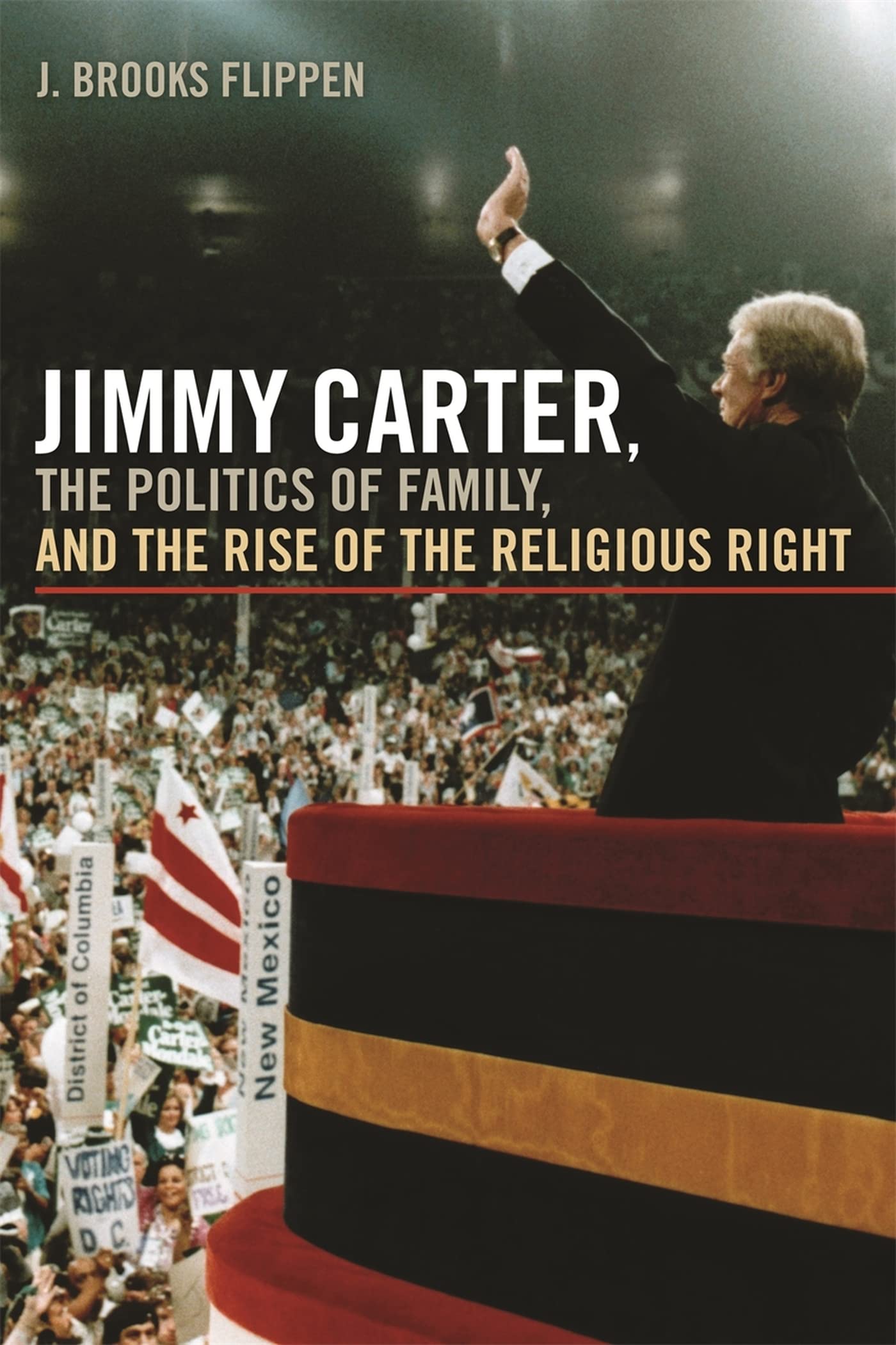
As Jimmy Carter ascended to the presidency the heir apparent to Democratic liberalism, he touted his background as a bornagain evangelical. Once in office, his faith indeed helped form policy on a number of controversial moral issues. By acknowledging certain behaviors as sinful while insisting that they were private matters beyond government interference, J. Brooks Flippen argues, Carter unintentionally alienated both social liberals and conservative Christians, thus ensuring that the debate over these moral family issues acquired a new prominence in public and political life.The Carter era, according to Flippen, stood at a fault line in American culture, religion, and politics. In the wake of the 1960s, some Americans worried that the traditional family faced a grave crisis. This newly politicized constituency viewed secular humanism in education, the recognition of reproductive rights established by Roe v. Wade, feminism, and the struggle for homosexual rights as evidence of cultural decay and as a challenge to religious orthodoxy. Social liberals viewed Carters faith with skepticism and took issue with his seeming unwillingness to build on recent progressive victories. Ultimately, Flippen argues, conservative Christians emerged as the Religious Right and were adopted into the Republican fold.Examining Carters struggle to placate competing interests against the backdrop of difficult foreign and domestic issuesa struggling economy, the stalled Strategic Arms Limitation Talks, disputes in the Middle East, handover of the Panama Canal, and the Iranian hostage crisisFlippen shows how a political dynamic was formed that continues to this day.
⚠️ WARNING (California Proposition 65):
This product may contain chemicals known to the State of California to cause cancer, birth defects, or other reproductive harm.
For more information, please visit www.P65Warnings.ca.gov.