If you have any questions, you are always welcome to contact us. We'll get back to you as soon as possible, withing 24 hours on weekdays.
Customer service
All questions about your order, return and delivery must be sent to our customer service team by e-mail at yourstore@yourdomain.com
Sale & Press
If you are interested in selling our products, need more information about our brand or wish to make a collaboration, please contact us at press@yourdomain.com
Help
If you have any questions, you are always welcome to contact us. We'll get back to you as soon as possible, withing 24 hours on weekdays.
Customer service
All questions about your order, return and delivery must be sent to our customer service team by e-mail at yourstore@yourdomain.com
Sale & Press
If you are interested in selling our products, need more information about our brand or wish to make a collaboration, please contact us at press@yourdomain.com
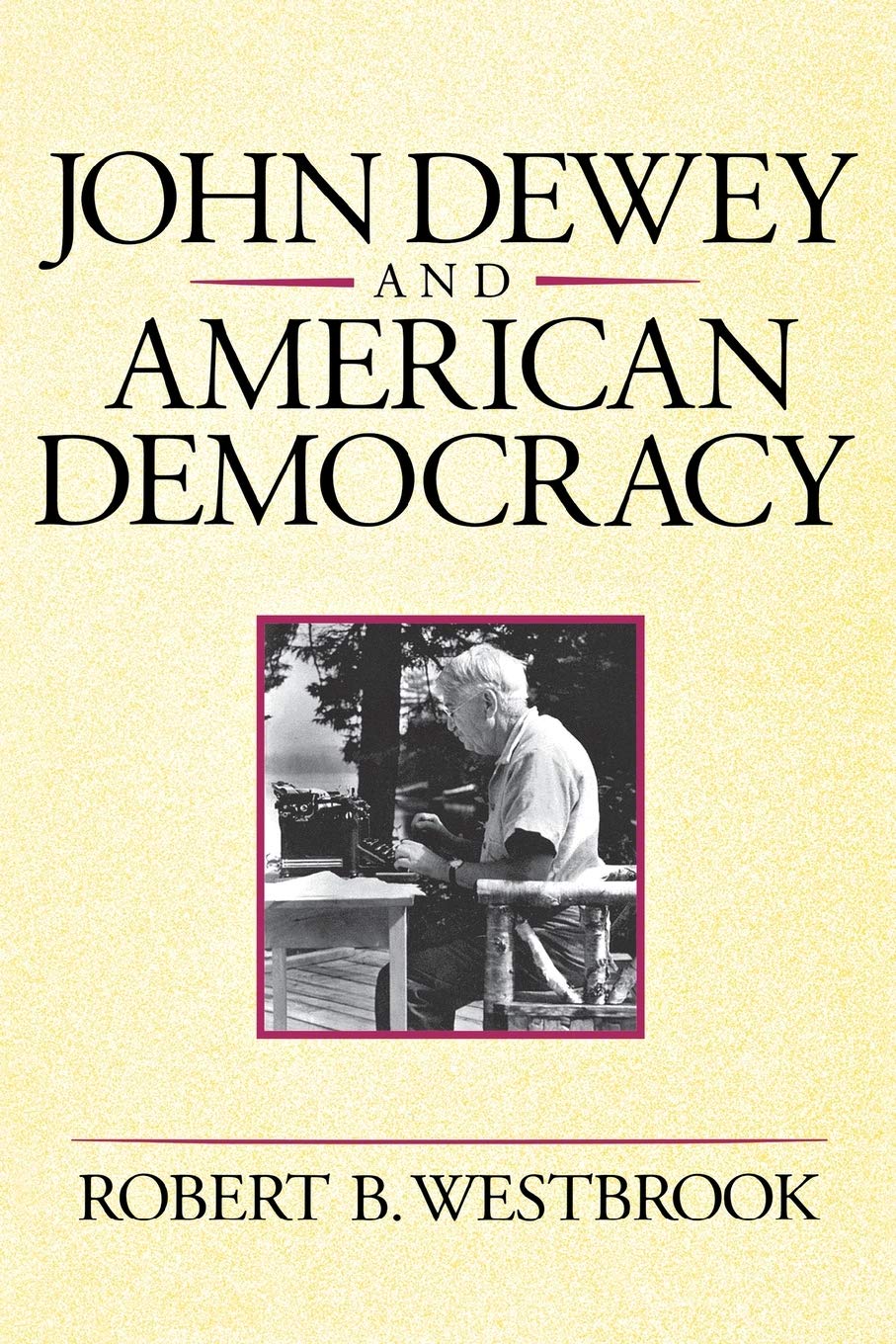
Over a career spanning American history from the 1880s to the 1950s, John Dewey sought not only to forge a persuasive argument for his conviction that 'democracy is freedom' but also to realize his democratic ideals through political activism. Widely considered modern America's most important philosopher, Dewey made his views known both through his writings and through such controversial episodes as his leadership of educational reform at the turn of the century; his support of American intervention in World War I and his leading role in the Outlawry of War movement after the war; and his participation in both radical and anticommunist politics in the 1930s and 40s. Robert B. Westbrook reconstructs the evolution of Dewey's thought and practice in this masterful intellectual biography, combining readings of his major works with an engaging account of key chapters in his activism. Westbrook pays particular attention to the impact upon Dewey of conversations and debates with contemporaries from William James and Reinhold Niebuhr to Jane Addams and Leon Trotsky. Countering prevailing interpretations of Dewey's contribution to the ideology of American liberalism, he discovers a more unorthodox Deweya deviant within the liberal community who was steadily radicalized by his profound faith in participatory democracy. Anyone concerned with the nature of democracy and the future of liberalism in Americaincluding educators, moral and social philosophers, social scientists, political theorists, and intellectual and cultural historianswill find John Dewey and American Democracy indispensable reading.
⚠️ WARNING (California Proposition 65):
This product may contain chemicals known to the State of California to cause cancer,
birth defects, or other reproductive harm.
For MAP (Minimum Advertised Price) violations and Intellectual Property (IP) or Trademark concerns, please contact:
support@ergodebooks.com
⚠️ California Proposition 65 Warning: Some products sold on this website may expose you to chemicals known to the State of California to cause cancer, birth defects, or other reproductive harm. For more information, visit www.P65Warnings.ca.gov.