
Title
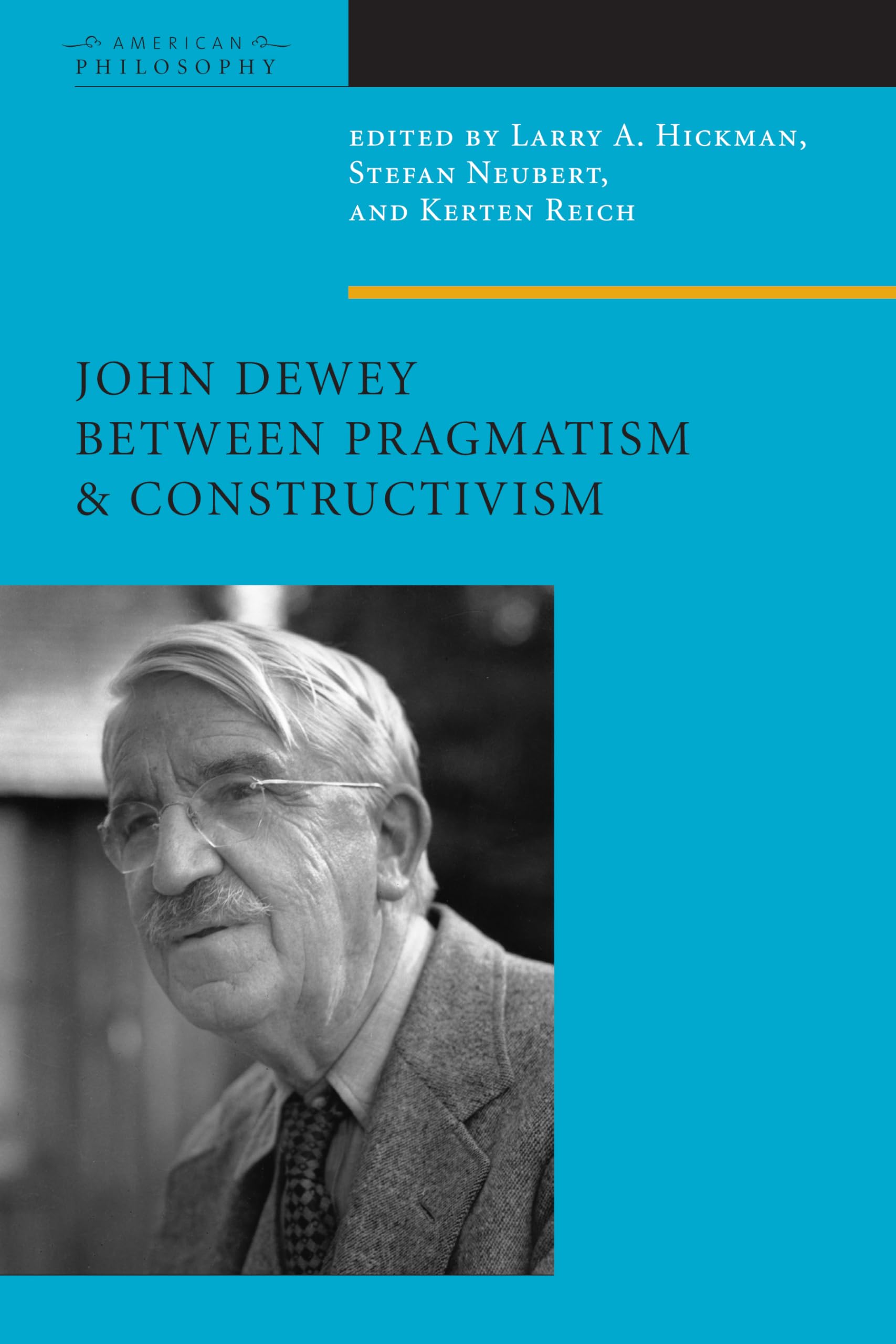
John Dewey Between Pragmatism and Constructivism (American Philosophy),Used
Sold by Ergodebooks, an authorized reseller.
Returns accepted within 30 days | support@ergodebooks.com
Shipping Information
- Free Standard Shipping — United States only
- Processing Time: 3–5 business days
- Estimated Delivery: 6–10 business days after dispatch
- Double-boxed, fully insured & discreetly packaged
- Tracking number sent via email once dispatched
Returns & Refund
Returns accepted within 30 days of delivery.
Damaged or Defective Item
Free return shipping + replacement or full refund
Wrong Item Received
Free return shipping + replacement or full refund
Change of Mind
Return shipping at customer's expense · 25% restocking fee applies
Payment Option

Many contemporary constructivists are particularly attuned to Dewey's penetrating criticism of traditional epistemology, which offers rich alternatives for understanding processes of learning and education, knowledge and truth, and experience and culture.This book, the result of cooperation between the Center for Dewey Studies at Southern Illinois University Carbondale, and the Dewey Center at the University of Cologne, provides an excellent example of the international character of pragmatist studies against the backdrop of constructivist concerns. As a part of their exploration of the many points of contact between classical pragmatism and contemporary constructivism, its contributors turn their attention to theories of interaction and transaction, communication and culture, learning and education, community and democracy, theory and practice, and inquiry and methods.Part One is a basic survey of Dewey's pragmatism and its implications for contemporary constructivism. Part Two examines the implications of the connections between Deweyan pragmatism and contemporary constructivism. Part Three presents a lively exchange among the contributors, as they challenge one another and defend their positions and perspectives. As they seek common ground, they articulate concepts such as power, truth, relativism, inquiry, and democracy from pragmatist and interactive constructivist vantage points in ways that are designed to render the preceding essays even more accessible. This concluding discussion demonstrates both the enduring relevance of classical pragmatism and the challenge of its reconstruction from the perspective of the Cologne program of interactive constructivism.
⚠️ WARNING (California Proposition 65):
This product may contain chemicals known to the State of California to cause cancer, birth defects, or other reproductive harm.
For more information, please visit www.P65Warnings.ca.gov.