If you have any questions, you are always welcome to contact us. We'll get back to you as soon as possible, withing 24 hours on weekdays.
Customer service
All questions about your order, return and delivery must be sent to our customer service team by e-mail at yourstore@yourdomain.com
Sale & Press
If you are interested in selling our products, need more information about our brand or wish to make a collaboration, please contact us at press@yourdomain.com
Help
If you have any questions, you are always welcome to contact us. We'll get back to you as soon as possible, withing 24 hours on weekdays.
Customer service
All questions about your order, return and delivery must be sent to our customer service team by e-mail at yourstore@yourdomain.com
Sale & Press
If you are interested in selling our products, need more information about our brand or wish to make a collaboration, please contact us at press@yourdomain.com
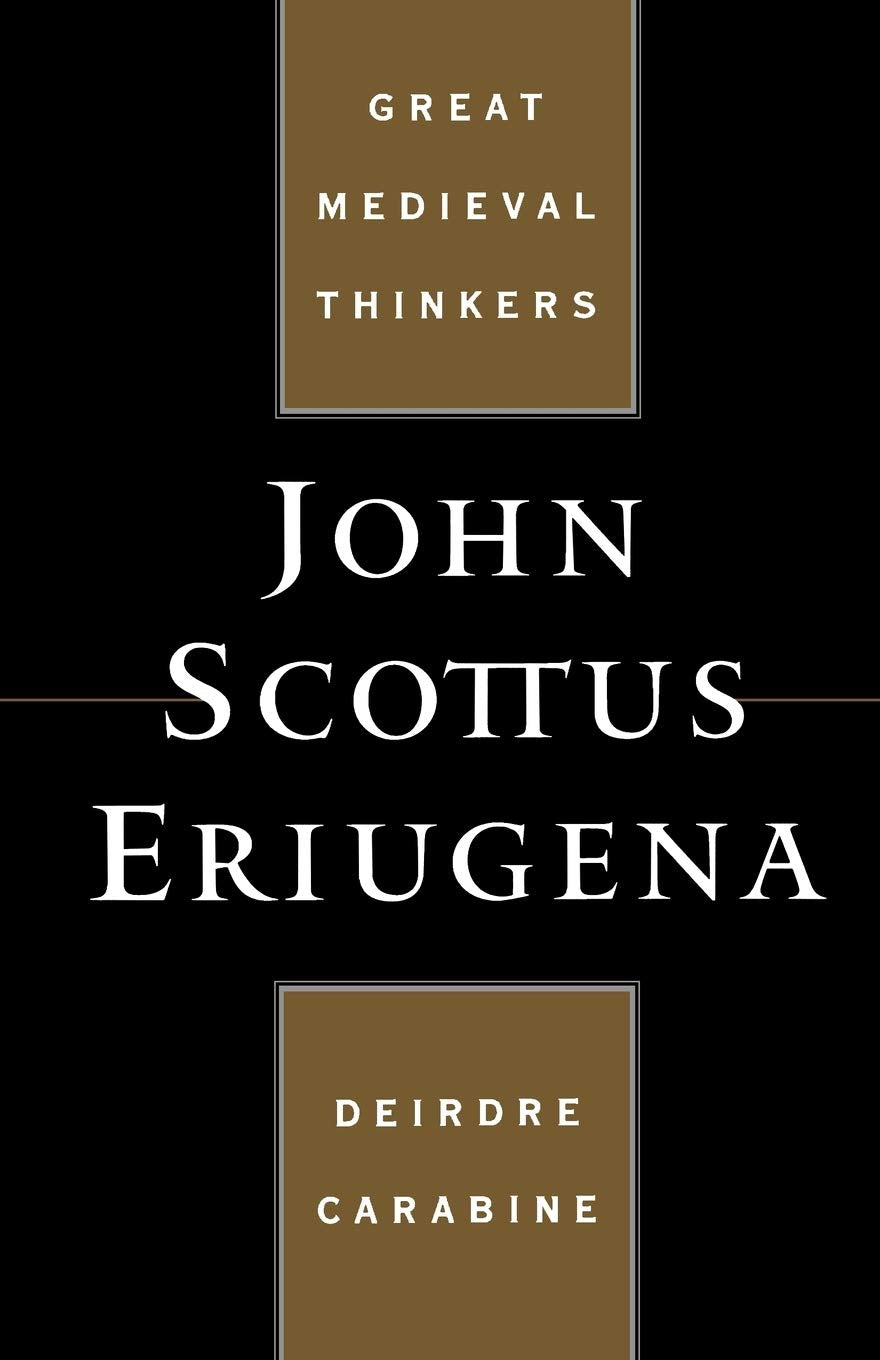
John Scottus Eriugena, the ninthcentury Irish philosopher and theologian, is known as the interpreter of Greek thought to the Latin West. He was perhaps the most important philosophical thinker to appear in Latin Christendom between Augustine in the fifth century and Anselm in the eleventh. In this volume, Deirdre Carabine provides a clear and accessible introductionthe only one available in the English languageto the thought of this important figure.In part I, Carabine describes the intellectual revival of the ninth century and situates Eriugena's role within that movement. She looks closely at Eriugena's life and intellectual achievements, including his contribution to the theological controversy on predestination and his roles as teacher and translator of Greek thought. She also examines the Periphyson, undoubtedly Eriugena's most original and important work. In part II, Carabine discusses Eriugena's metaphysics, the structure of reality, the theocentric character of creation, and the role of the trinity and the primordial causes. In particular, she explores Eriugena's employment of negative theology and his understanding of human nature. In conclusion, part III looks at Eriugena's interpretation of the return of all things to their source, including his belief that all people, saints and sinners alike, will return to paradise to the 'vision' of a transcendent God.Revealing the unique and compelling nature of Eriugena's thought, and showing why his work continues to appeal to a modern audience, this volume is required reading for students and scholars of medieval philosophy and theology.
⚠️ WARNING (California Proposition 65):
This product may contain chemicals known to the State of California to cause cancer,
birth defects, or other reproductive harm.
For MAP (Minimum Advertised Price) violations and Intellectual Property (IP) or Trademark concerns, please contact:
support@ergodebooks.com
⚠️ California Proposition 65 Warning: Some products sold on this website may expose you to chemicals known to the State of California to cause cancer, birth defects, or other reproductive harm. For more information, visit www.P65Warnings.ca.gov.