
Title
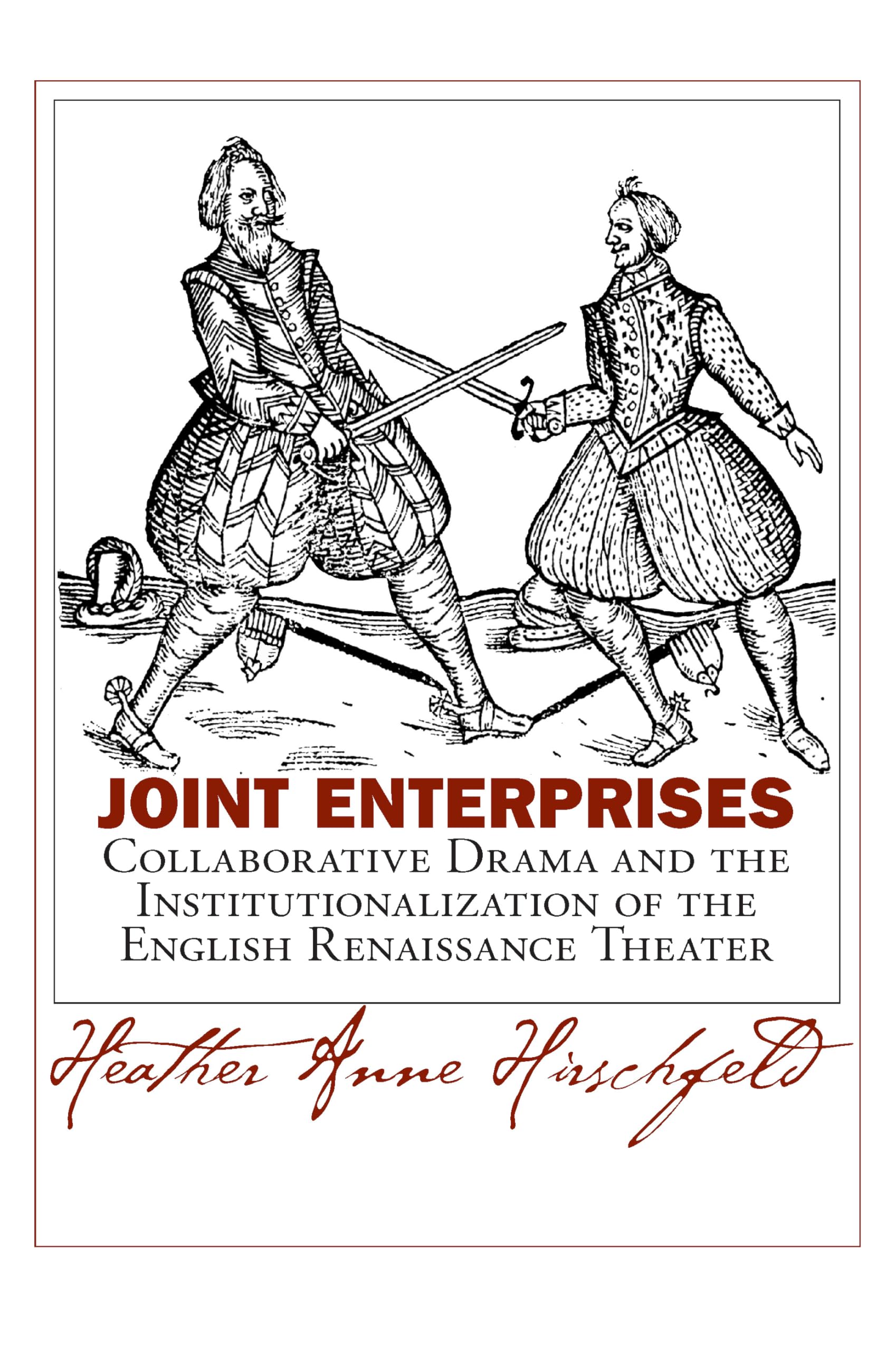
Joint Enterprises: Collaborative Drama and the Institutionalization of the English Renaissance Theater (Massachusetts Studies in,Used
Sold by Ergodebooks, an authorized reseller.
Returns accepted within 30 days | support@ergodebooks.com
Shipping Information
- Free Standard Shipping — United States only
- Processing Time: 3–5 business days
- Estimated Delivery: 6–10 business days after dispatch
- Double-boxed, fully insured & discreetly packaged
- Tracking number sent via email once dispatched
Returns & Refund
Returns accepted within 30 days of delivery.
Damaged or Defective Item
Free return shipping + replacement or full refund
Wrong Item Received
Free return shipping + replacement or full refund
Change of Mind
Return shipping at customer's expense · 25% restocking fee applies
Payment Option

Over half of the plays of the English Renaissance were written collaborativelyby multiple dramatists working together. Joint Enterprises examines this kind of dramatic production, charting its social and professional significance as a historically embedded but personally inflected creative phenomenon. By situating individual joint works such as Eastward Hoe, The Two Noble Kinsmen, and The Changeling in specific institutional contexts, Heather Hirschfeld explores the diverse motivations driving dramatic collaborations, traces the distinct writerly relationships that developed from such energies, and analyzes their rhetorical effects in individual plays.Drawing on a range of documentary and literary sources as well as recent methodological advances in theater history, the book presents a sequence of case studies designed to accommodate both the larger cultural setting of the early modern theater and the localized, idiosyncratic factors influencing discrete literary productions. Each chapter chronicles the professional setting of a particular joint work and then investigates its rhetorical or linguistic traces in the resultant text. This approach allows Hirschfeld to locate specific links between modes of collaborative production and forms of dramatic representation and then explicate the literary and political implications of these connections.Hirschfeld's case studies provide a fresh account of the institutionalizationthe steady growth, organization, and incorporationof the professional drama in sixteenth and seventeenthcentury English cultural life. By attending to the changing shapes and stakes of joint enterprises, she shows that dramatists did not unconsciously absorb the practice of collaborative writing from general social discourses, but rather were aware of the material and symbolic significances of their work, meanings structured by the traditions of the developing professional theater and by the cultural pressures and anxieties attendant upon a new and often fragile institution.
⚠️ WARNING (California Proposition 65):
This product may contain chemicals known to the State of California to cause cancer, birth defects, or other reproductive harm.
For more information, please visit www.P65Warnings.ca.gov.