
Title
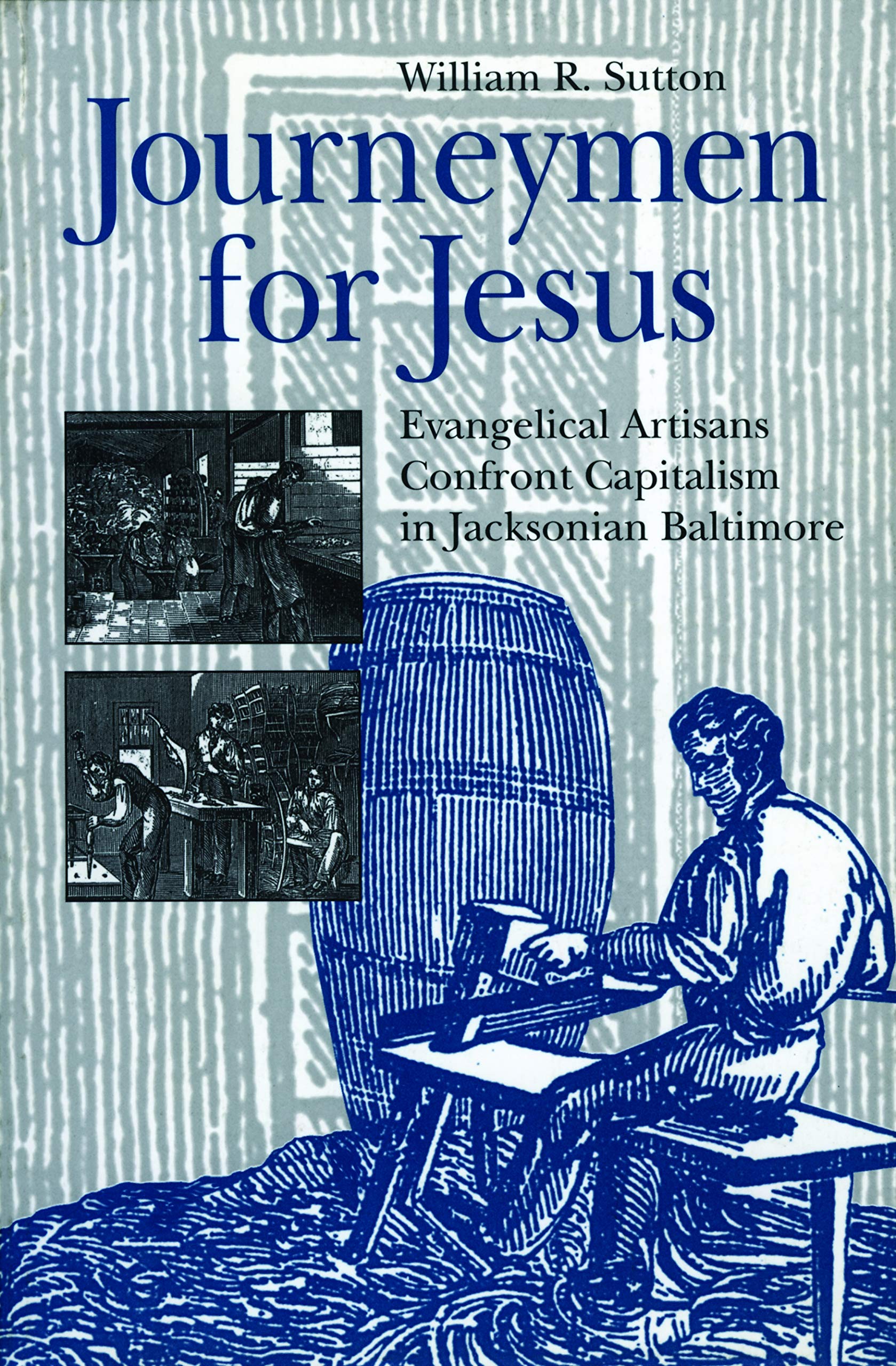
Journeymen for Jesus: Evangelical Artisans Confront Capitalism in Jacksonian Baltimore,Used
Sold by Ergodebooks, an authorized reseller.
Returns accepted within 30 days | support@ergodebooks.com
Shipping Information
- Free Standard Shipping — United States only
- Processing Time: 3–5 business days
- Estimated Delivery: 6–10 business days after dispatch
- Double-boxed, fully insured & discreetly packaged
- Tracking number sent via email once dispatched
Returns & Refund
Returns accepted within 30 days of delivery.
Damaged or Defective Item
Free return shipping + replacement or full refund
Wrong Item Received
Free return shipping + replacement or full refund
Change of Mind
Return shipping at customer's expense · 25% restocking fee applies
Payment Option

When industrialization swept through American society in the nineteenth century, it brought with it turmoil for skilled artisans. Changes in technology and work offered unprecedented opportunity for some, but the deskilling of craft and the rise of factory work meant dislocation for others. Journeymen for Jesus explores how the artisan community in one city, Baltimore, responded to these lifechanging developments during the years of the early republic.Baltimore in the Jacksonian years (1820s and 1830s) was America's third largest city. Its unions rivaled those of New York and Philadelphia in organization and militancy, and it was also a stronghold of evangelical Methodism. These circumstances created a powerful mix at a time when workers were confronting the negative effects of industrialism. Many of them found within Methodism and its populist spirituality an empowering force that inspired their refusal to accept dependency and secondclass citizenship.Historians often portray evangelical Protestantism as either a topdown means of social control or as a bottomup process that created passive workers. Sutton, however, reveals a populist evangelicalism that undergirded the producer tradition dominant among those supportive of trade union goals. Producers were not socialists or social democrats, but they were anticapitalist and reformminded. In populist evangelicalism they discovered a potent language and ethic for their discontent. Journeymen for Jesus presents a rich and unromanticized portrait of artisan culture in early America. In the process, it adds to our understanding of the class tensions present in Jacksonian America.
⚠️ WARNING (California Proposition 65):
This product may contain chemicals known to the State of California to cause cancer, birth defects, or other reproductive harm.
For more information, please visit www.P65Warnings.ca.gov.