
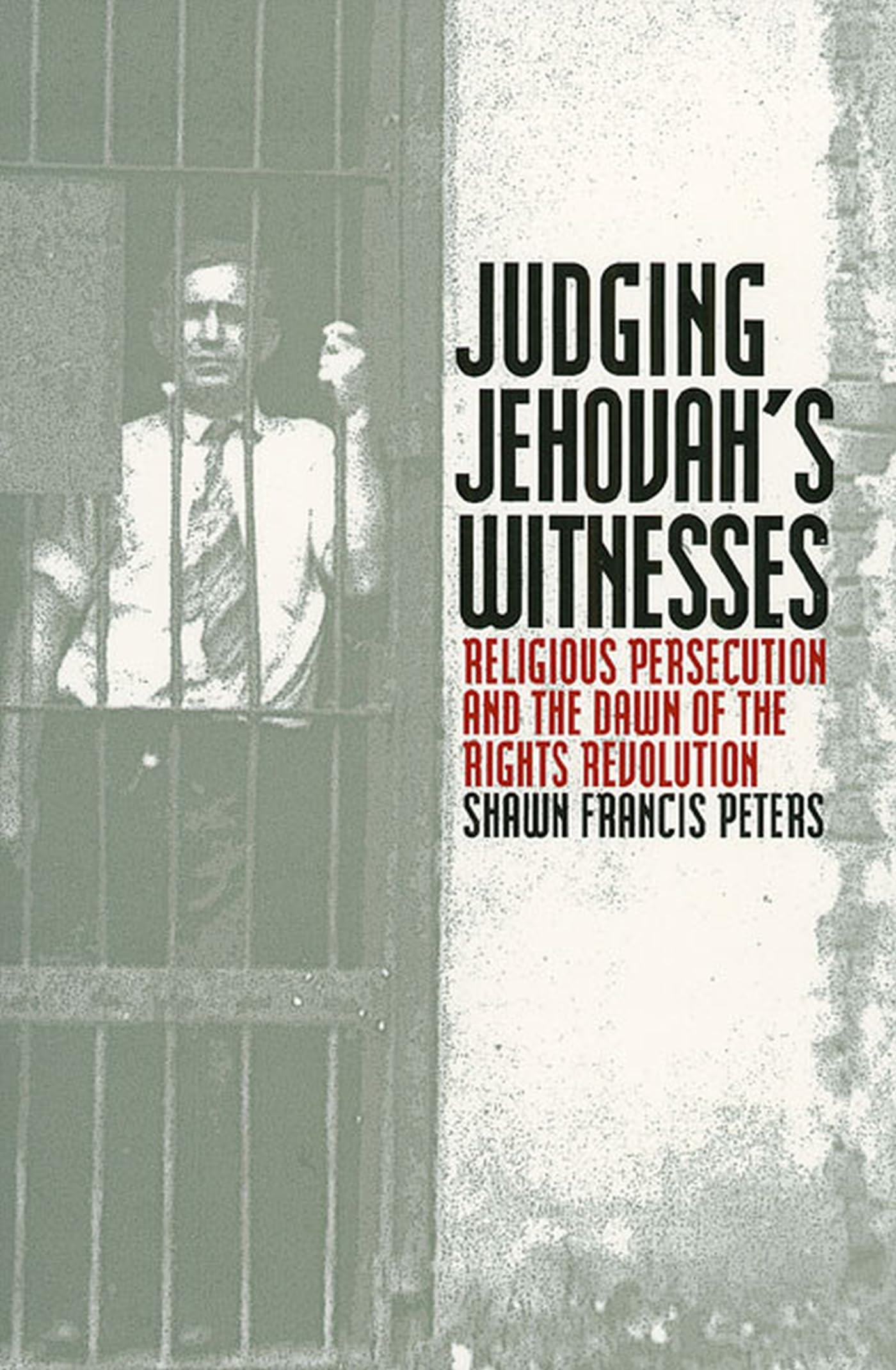
Title


Judging Jehovah'S Witnesses: Religious Persecution And The Dawn Of The Rights Revolution
Sold by Ergodebooks, an authorized reseller.
Returns accepted within 30 days | support@ergodebooks.com
Shipping Information
- Free Standard Shipping — United States only
- Processing Time: 3–5 business days
- Estimated Delivery: 6–10 business days after dispatch
- Double-boxed, fully insured & discreetly packaged
- Tracking number sent via email once dispatched
Returns & Refund
Returns accepted within 30 days of delivery.
Damaged or Defective Item
Free return shipping + replacement or full refund
Wrong Item Received
Free return shipping + replacement or full refund
Change of Mind
Return shipping at customer's expense · 25% restocking fee applies
Payment Option

While Millions Of Americans Were Defending Liberty Against The Nazis, Liberty Was Under Vicious Attack At Home. One Of The Worst Outbreaks Of Religious Persecution In U.S. History Occurred During World War Ii When Jehovah'S Witnesses Were Intimidated, Beaten, And Even Imprisoned For Refusing To Salute The Flag Or Serve In The Armed Forces.Determined To Claim Their First Amendment Rights, Jehovah'S Witnesses Waged A Tenacious Legal Campaign That Led To Twentythree Supreme Court Rulings Between 1938 And 1946. Now Shawn Peters Has Written The First Complete Account Of The Personalities, Events, And Institutions Behind Those Cases, Showing That They Were More Than Vindication For Unpopular Beliefsthey Were Also A Turning Point In The Nation'S Constitutional Commitment To Individual Rights.Peters Begins With The Story Of William Gobitas, A Jehovah'S Witness Whose Children Refused To Salute The Flag At School. He Follows This Famous Case To The Supreme Court, Where He Captures The Intellectual Sparring Between Justices Frankfurter And Stone Over Individual Liberties; Then He Describes The Aftermath Of The Court'S Ruling Against Gobitas, When Angry Mobs Savagely Assaulted Jehovah'S Witnesses In Hundreds Of Communities Across America.Judging Jehovah'S Witnesses Tells How Persecutionmuch Of It Directed By Members Of Patriotic Organizations Like The American Legiontouched The Lives Of Witnesses Of All Ages; Why The Justice Department And State Officials Ignored The Witnesses' Pleas For Relief; And How The Aclu And Liberal Clergymen Finally Stepped Forward To Help Them. Drawing On Interviews With Witnesses And Extensive Research In Aclu Archives, He Examines The Strategies That Beleaguered Witnesses Used To Combat Discrimination And Goes Beyond The Familiar Supreme Court Rulings By Analyzing More Obscure Lower Court Decisions As Well.By Vigorously Pursuing Their Cause, The Witnesses Helped To Inaugurate An Era In Which Individual And Minority Rights Emerged As Matters Of Concern For The Supreme Court And Foreshadowed Events In The Civil Rights Movement. Like The Classics Gideon'S Trumpet And Simple Justice, Judging Jehovah'S Witnesses Vividly Narrates A Moving Human Drama While Reminding Us Of The True Meaning Of Our Constitution And The Rights It Protects.
⚠️ WARNING (California Proposition 65):
This product may contain chemicals known to the State of California to cause cancer, birth defects, or other reproductive harm.
For more information, please visit www.P65Warnings.ca.gov.
- Q: How many pages does the book have? A: The book has three hundred fifty-two pages. This length allows for an in-depth exploration of the subject matter.
- Q: What is the binding type of the book? A: The book is paperback bound. This makes it lightweight and easy to handle for reading.
- Q: What are the dimensions of the book? A: The book measures six inches in length, one inch in width, and nine point zero two inches in height. These dimensions make it a convenient size for reading.
- Q: How should I read this book? A: You can read this book at your own pace, as it is suitable for anyone interested in legal history or religious rights. It’s a compelling narrative that engages readers from various backgrounds.
- Q: Is this book suitable for young readers? A: The book is not specifically aimed at young readers. It discusses complex themes of religious persecution and civil rights, which may be more suitable for older teens and adults.
- Q: What topics does the book cover? A: The book covers topics related to religious persecution, civil rights, and Supreme Court cases involving Jehovah's Witnesses. It provides historical context and analysis of legal battles.
- Q: How do I keep the book in good condition? A: To keep the book in good condition, store it upright in a cool, dry place, and avoid exposure to direct sunlight. Handle it carefully to prevent wear and tear.
- Q: Is the book safe for all ages? A: The book contains themes of persecution and legal struggles that may not be suitable for very young children. Parental discretion is advised for younger audiences.
- Q: Can I lend this book to a friend? A: Yes, you can lend this book to a friend. Just be sure to remind them to handle it with care to maintain its condition.
- Q: What if my book arrives damaged? A: If your book arrives damaged, you should contact the seller for return instructions. Most sellers will provide a replacement or refund.
- Q: Is there a warranty for this book? A: There is typically no warranty for books. However, you can check with the retailer for their specific return policy.
- Q: Can I find similar books on this topic? A: Yes, there are other books available that discuss civil rights and religious freedom. Look for titles that focus on legal history or the civil rights movement.
- Q: What makes this book unique? A: This book offers a comprehensive account of Jehovah's Witnesses' legal battles during World War II, providing insights into a pivotal moment in U.S. history.
- Q: Is this book available in other formats? A: Currently, the book is available in paperback format. Check with the publisher for any potential releases in digital or audio formats.
- Q: Does this book include interviews or personal accounts? A: Yes, the book includes interviews with Jehovah's Witnesses and draws on extensive research from historical archives. This adds depth to the narrative.