
Title
Jukeboxes: An American Social History
Sold by Ergodebooks, an authorized reseller.
Returns accepted within 30 days | support@ergodebooks.com
Shipping Information
- Free Standard Shipping — United States only
- Processing Time: 3–5 business days
- Estimated Delivery: 6–10 business days after dispatch
- Double-boxed, fully insured & discreetly packaged
- Tracking number sent via email once dispatched
Returns & Refund
Returns accepted within 30 days of delivery.
Damaged or Defective Item
Free return shipping + replacement or full refund
Wrong Item Received
Free return shipping + replacement or full refund
Change of Mind
Return shipping at customer's expense · 25% restocking fee applies
Payment Option

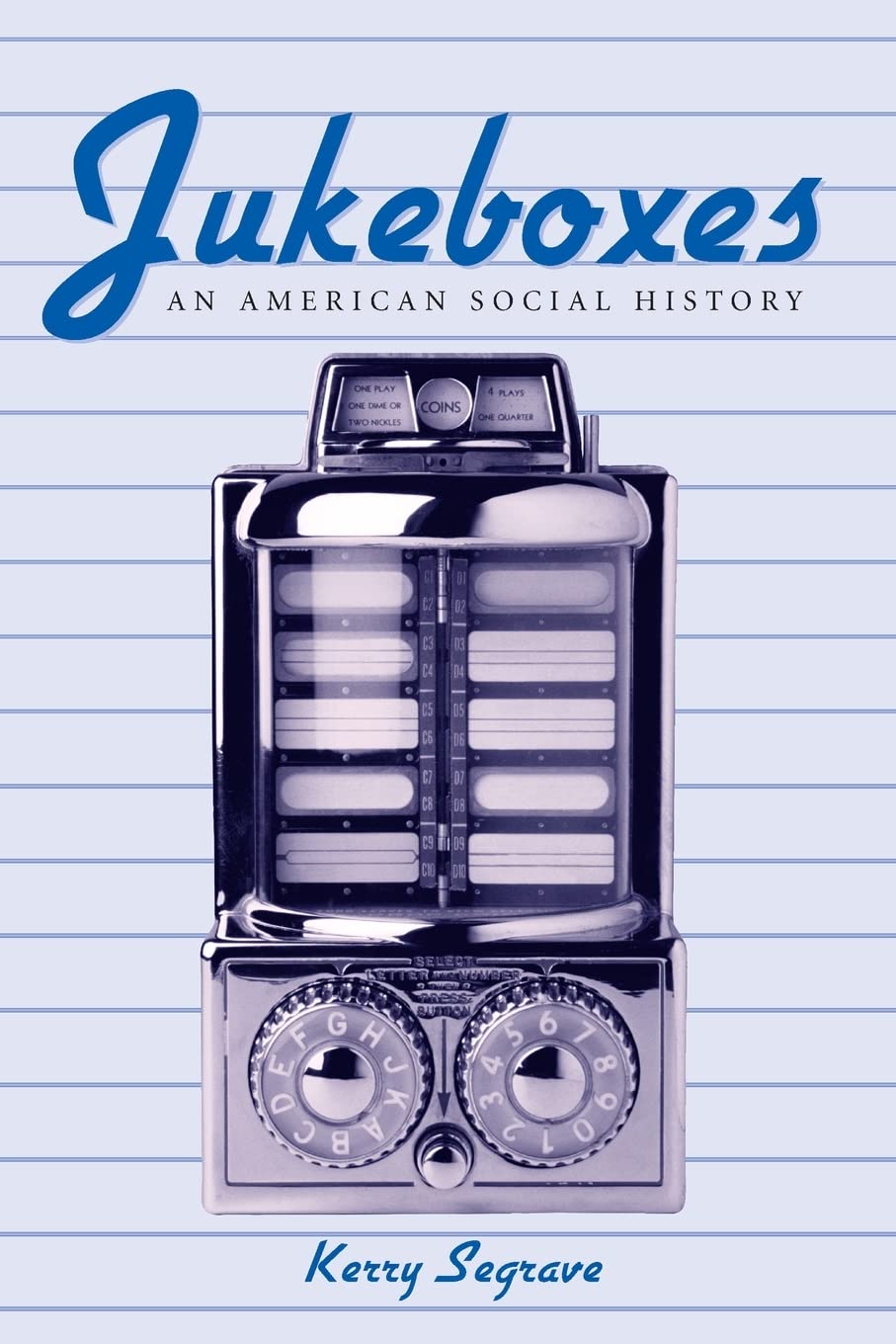
This Work Traces The History Of The Jukebox From Its Origins In The Invention Of The Phonograph By Thomas Alva Edison In The 1880S Up To Its Relative Modern Obscurity. The Jukebox'S First Twenty Years Were Essentially Experimental Because Of The Low Technical Quality And Other Limitations. It Then Practically Disappeared For A Quartercentury, Beaten Out By The Player Piano As The Coinoperated Music Machine Of Choice. But Then, New And Improved, It Reemerged And Quickly Spread In Popularity Across America, Largely As A Result Of The Repeal Of Prohibition And The Increased Number Of Bars Around The Nation. Other Socially Important Elements Of The Jukebox'S Development Are Also Covered: It Played Patriotic Tunes During Wartime And, Located In Youth Centers, Entertained Young People And Kept Them Out Of Trouble. The Industry'S One Last Fling Due To A Healthy Export Trade Is Also Covered, And The Book Rounds Out With The Decline In The 1950S And The Fadeout Into Obscurity. Richly Illustrated.
⚠️ WARNING (California Proposition 65):
This product may contain chemicals known to the State of California to cause cancer, birth defects, or other reproductive harm.
For more information, please visit www.P65Warnings.ca.gov.
- Q: What is the binding type of this book? A: The binding type is paperback. This makes it flexible and lightweight, ideal for reading and carrying.
- Q: How many pages does 'Jukeboxes: An American Social History' have? A: The book has three hundred eighty-one pages. This allows for an in-depth exploration of the jukebox's history.
- Q: What are the dimensions of this book? A: The book measures six inches in length, zero point seventy-seven inches in width, and nine inches in height. These dimensions make it a convenient size for reading.
- Q: Who is the author of this book? A: The author is Kerry Segrave. He is known for his writings on American cultural history.
- Q: What is the main subject of the book? A: The book focuses on the history of jukeboxes in America. It covers their social impact from the late nineteenth century to modern times.
- Q: Is this book suitable for music history enthusiasts? A: Yes, it is suitable for music history enthusiasts. The detailed narrative provides valuable insights into the evolution of jukeboxes.
- Q: Can I find illustrations in the book? A: Yes, the book is richly illustrated. This enhances the reading experience by visually depicting historical elements.
- Q: Is this book a good choice for academic research? A: Yes, it is a good choice for academic research. The extensive coverage and illustrations support various scholarly inquiries.
- Q: What condition is the book in? A: The book is classified as used but in good condition. This means it can be a cost-effective option for readers.
- Q: Does this book cover the jukebox's decline? A: Yes, the book covers the decline of the jukebox in the 1950s. It provides context for the factors that contributed to its fade into obscurity.
- Q: How can I care for this paperback book? A: To care for the book, keep it in a dry place and avoid exposure to direct sunlight. This helps preserve its condition over time.
- Q: Is it safe to store this book on a shelf? A: Yes, it is safe to store this book on a shelf. Ensure it is upright and not overloaded to prevent damage.
- Q: What if the book arrives damaged? A: If the book arrives damaged, you should contact the seller for a return or exchange. Most sellers have policies in place for such situations.
- Q: Can I return the book if I change my mind? A: Yes, typically you can return the book if you change your mind. Be sure to check the specific return policy of the seller.
- Q: Are there any warranty options for this book? A: No, books generally do not come with warranties. However, seller return policies may offer some protection.
- Q: What if I have a question about the book after purchasing? A: If you have a question after purchasing, you can reach out to the seller for assistance. Many sellers are happy to help with inquiries.