
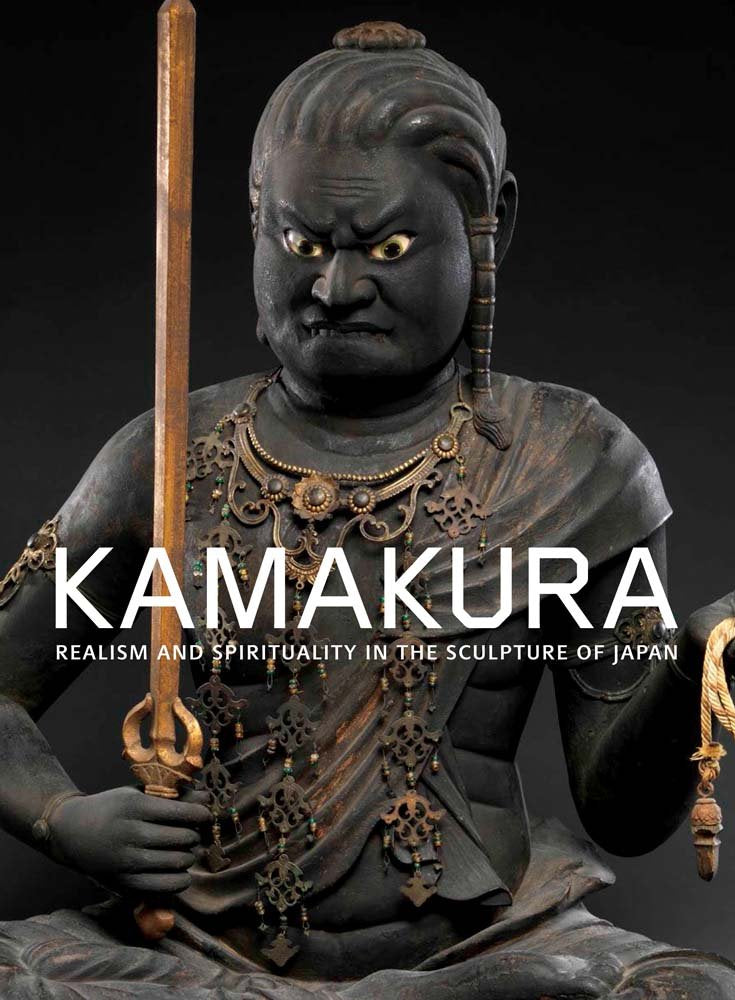
Title

Kamakura: Realism And Spirituality In The Sculpture Of Japan
Sold by Ergodebooks, an authorized reseller.
Returns accepted within 30 days | support@ergodebooks.com
Shipping Information
- Free Standard Shipping — United States only
- Processing Time: 3–5 business days
- Estimated Delivery: 6–10 business days after dispatch
- Double-boxed, fully insured & discreetly packaged
- Tracking number sent via email once dispatched
Returns & Refund
Returns accepted within 30 days of delivery.
Damaged or Defective Item
Free return shipping + replacement or full refund
Wrong Item Received
Free return shipping + replacement or full refund
Change of Mind
Return shipping at customer's expense · 25% restocking fee applies
Payment Option

The Kamakura Period (11851333) Is Considered A Pinnacle Of Japanese Artistic Expression, Often Described As A Renaissance In Buddhist Art. This Catalogue Is The First In Over Two Decades To Examine The Exquisite Sculpture Of This Period, Artwork Characterized By An Intense Corporeal Presence, Naturalistic Proportions, A Sense Of Movement, Realistic Drapery, And Lifelike Facial Expressions Animated By Eyes Made Of Inlaid Crystal. The Sculptures Played An Important Role In The Practice Of Buddhism During These Years, As The Vivid Representations Facilitated An Immediate Communion Between Deity And Worshipper. The Custom Of Placing Sacred Relics, Texts, And Even Miniature Icons Into The Sculptures Hollow Interiors Further Enlivened The Works And Invested Them With Spiritual Significance. Essays By Noted Scholars Explore The Sculptures Arresting Exteriors And Powerful Interiors, Examining The Technical And Stylistic Innovations That Made Them Possible, And Offering New Context For Their Ritual And Devotional Uses. They Demonstrate That The Physical Beauty And Technical Brilliance Of Kamakura Statues Are Profoundly Associated With Their Spiritual Dimension And Devotional Functions.Published In Association With Asia Societyexhibition Schedule:Asia Society Museum, New York(02/09/1605/08/16)
⚠️ WARNING (California Proposition 65):
This product may contain chemicals known to the State of California to cause cancer, birth defects, or other reproductive harm.
For more information, please visit www.P65Warnings.ca.gov.
- Q: How many pages does this book have? A: This book has one hundred ninety-two pages. It provides a comprehensive look at the Kamakura period's sculpture.
- Q: What are the dimensions of the book? A: The book measures twelve point zero one inches in length, nine point zero two inches in width, and zero point nine eight inches in height.
- Q: What type of binding does this book have? A: This book is bound in hardcover. The hardcover binding adds durability and a premium feel to the book.
- Q: Who is the author of this book? A: The author of this book is Ive Covaci. He explores the artistic significance of the Kamakura period's sculptures.
- Q: What is the main theme of the book? A: The main theme of the book is the intersection of realism and spirituality in Japanese sculpture. It highlights the artistic innovations of the Kamakura period.
- Q: How do I read this book? A: You can read this book by simply opening it and following the text from cover to cover. The book is suitable for anyone interested in art and Japanese culture.
- Q: Is this book suitable for all ages? A: Yes, this book is suitable for all ages. However, it is recommended for readers with an interest in art and history.
- Q: How can I store this book to keep it in good condition? A: Store this book upright on a shelf in a cool, dry place. Avoid exposing it to direct sunlight to prevent fading.
- Q: How do I clean this book? A: To clean this book, gently dust the cover with a soft, dry cloth. Avoid using water or cleaning solutions to prevent damage.
- Q: Can I return this book if I don't like it? A: Yes, you can return this book if you are not satisfied. Please check the seller's return policy for specific details.
- Q: What if the book arrives damaged? A: If the book arrives damaged, please contact customer service for assistance with a return or exchange.
- Q: Is this book part of an exhibition? A: Yes, this book is published in association with the Asia Society and relates to an exhibition that took place at the Asia Society Museum in New York.
- Q: What makes this book unique? A: This book is unique because it is the first catalogue in over two decades to focus on Kamakura period sculpture. It provides new insights into its spiritual and artistic significance.
- Q: Are there any illustrations in this book? A: Yes, the book includes color illustrations. These visuals enhance the understanding of the sculptures discussed.
- Q: What is the publication date of this book? A: The book was published in association with Asia Society. The exhibition schedule was from February ninth, two thousand sixteen, to May eighth, two thousand sixteen.
- Q: Does this book include scholarly essays? A: Yes, the book includes essays by noted scholars. These essays provide in-depth analysis and context for the sculptures of the Kamakura period.