
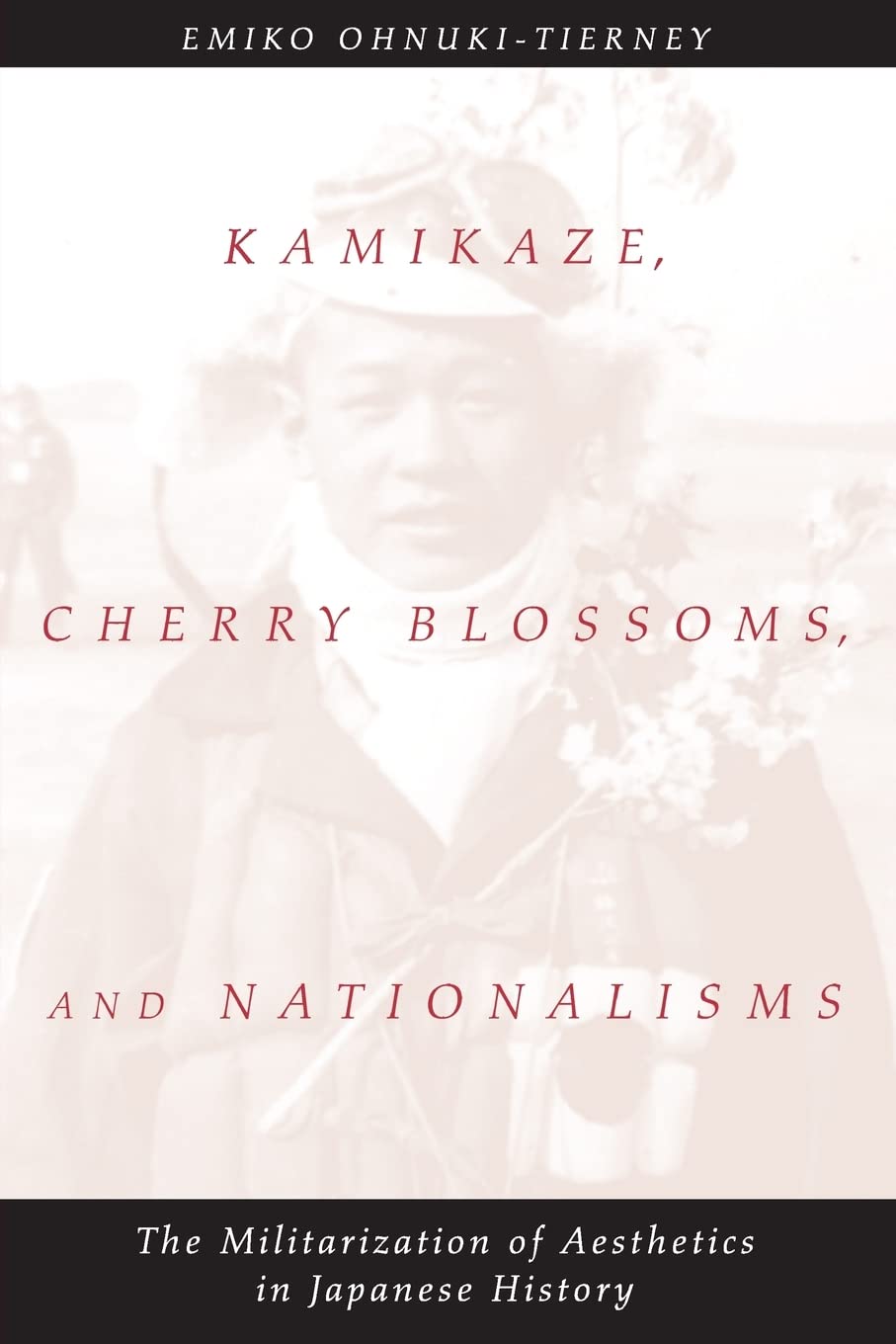
Title
Kamikaze, Cherry Blossoms, And Nationalisms: The Militarization Of Aesthetics In Japanese History
Sold by Ergodebooks, an authorized reseller.
Returns accepted within 30 days | support@ergodebooks.com
Shipping Information
- Free Standard Shipping — United States only
- Processing Time: 3–5 business days
- Estimated Delivery: 6–10 business days after dispatch
- Double-boxed, fully insured & discreetly packaged
- Tracking number sent via email once dispatched
Returns & Refund
Returns accepted within 30 days of delivery.
Damaged or Defective Item
Free return shipping + replacement or full refund
Wrong Item Received
Free return shipping + replacement or full refund
Change of Mind
Return shipping at customer's expense · 25% restocking fee applies
Payment Option

Why Did Almost One Thousand Highly Educated Student Soldiers Volunteer To Serve In Japan'S Tokkotai (Kamikaze) Operations Near The End Of World War Ii, Even Though Japan Was Losing The War? In This Fascinating Study Of The Role Of Symbolism And Aesthetics In Totalitarian Ideology, Emiko Ohnukitierney Shows How The State Manipulated The Timehonored Japanese Symbol Of The Cherry Blossom To Convince People That It Was Their Honor To Die Like Beautiful Falling Cherry Petals For The Emperor.Drawing On Diaries Never Before Published In English, Ohnukitierney Describes These Young Men'S Agonies And Even Defiance Against The Imperial Ideology. Passionately Devoted To Cosmopolitan Intellectual Traditions, The Pilots Saw The Cherry Blossom Not In Militaristic Terms, But As A Symbol Of The Painful Beauty And Unresolved Ambiguities Of Their Tragically Brief Lives. Using Japan As An Example, The Author Breaks New Ground In The Understanding Of Symbolic Communication, Nationalism, And Totalitarian Ideologies And Their Execution.
⚠️ WARNING (California Proposition 65):
This product may contain chemicals known to the State of California to cause cancer, birth defects, or other reproductive harm.
For more information, please visit www.P65Warnings.ca.gov.
- Q: How many pages does the book have? A: This book contains four hundred twenty-eight pages. It offers an in-depth exploration of aesthetics in Japanese history.
- Q: What are the dimensions of the book? A: The book measures five point nine eight inches in length, one point one eight inches in width, and nine point zero two inches in height.
- Q: What type of binding does the book have? A: The book is published in paperback binding. This makes it lightweight and easy to handle.
- Q: Who is the author of the book? A: The author is Emiko Ohnuki-Tierney. She provides valuable insights into Japanese history and symbolism.
- Q: What is the main focus of the book? A: The book focuses on the militarization of aesthetics in Japanese history. It explores symbolism, nationalism, and totalitarian ideologies.
- Q: Is this book suitable for academic use? A: Yes, this book is suitable for academic use. It draws on unpublished diaries and offers a unique perspective on a historical topic.
- Q: How can I apply the insights from this book? A: You can apply insights from this book in discussions about nationalism and aesthetics. It's particularly useful for students of history or cultural studies.
- Q: Is the book appropriate for high school students? A: Yes, the book is appropriate for high school students. It covers complex themes but is accessible for advanced readers.
- Q: What are the key themes explored in the book? A: Key themes include symbolism, the role of aesthetics in ideology, and the experiences of student soldiers in Japan.
- Q: How should I care for this paperback book? A: To care for this paperback book, keep it away from moisture and direct sunlight. Store it upright on a shelf to prevent bending.
- Q: Can I lend this book to others? A: Yes, you can lend this book to others. Ensure that it is returned in good condition to maintain its quality.
- Q: What if the book arrives damaged? A: If the book arrives damaged, contact the seller for a replacement or refund. Most sellers have policies for damaged items.
- Q: Is there a warranty for this book? A: No, books typically do not come with a warranty. However, check the seller's return policy for specific details.
- Q: What if I want to return the book? A: If you want to return the book, review the return policy provided by the seller. Most allow returns within a specified timeframe.
- Q: How does this book compare to others on similar topics? A: This book offers a unique perspective by focusing on aesthetics and symbolism, which may not be covered in other historical texts.
- Q: Who would benefit from reading this book? A: Students, educators, and anyone interested in Japanese history and aesthetics would benefit from reading this book.