
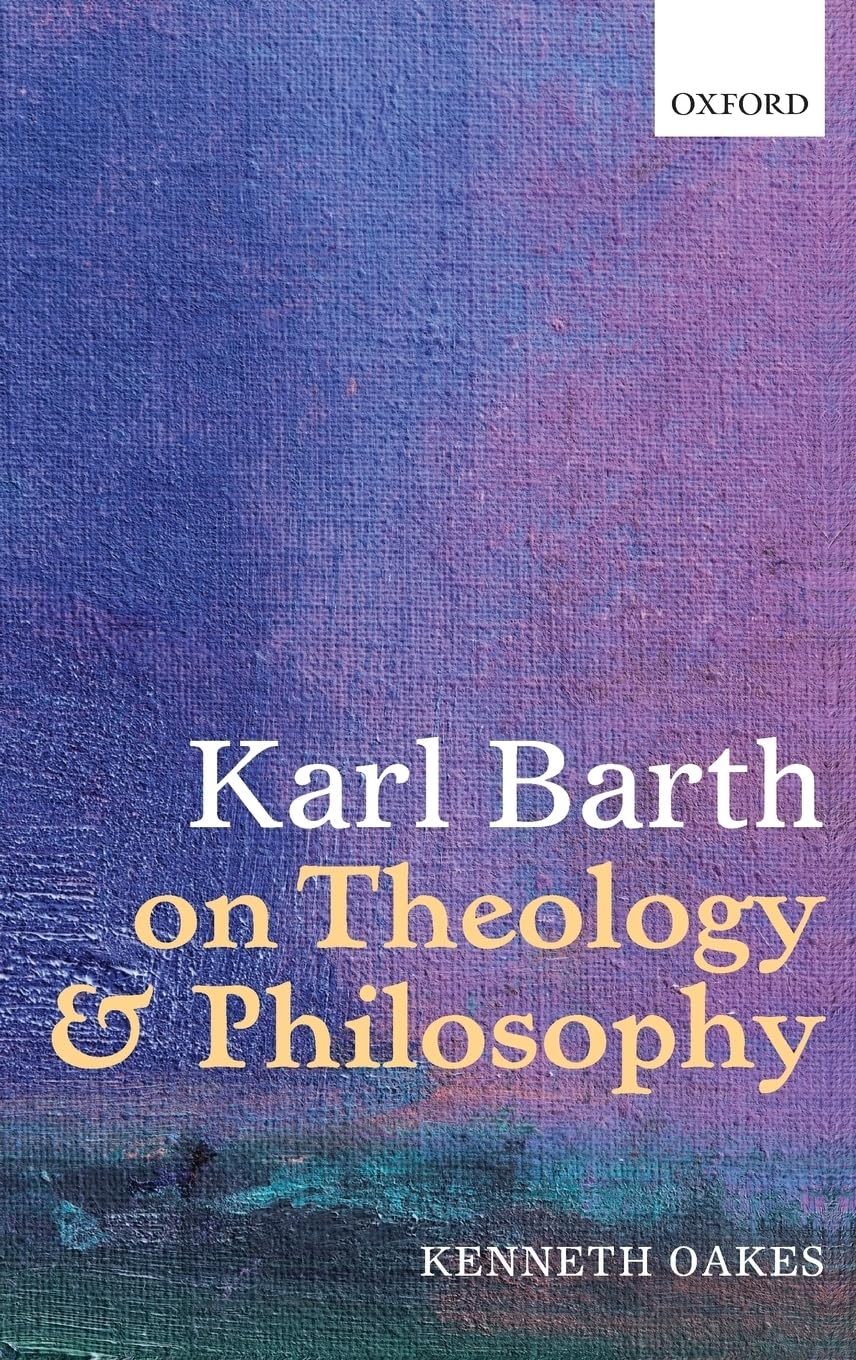
Title
Karl Barth on Theology and Philosophy,Used
Sold by Ergodebooks, an authorized reseller.
Returns accepted within 30 days | support@ergodebooks.com
Shipping Information
- Free Standard Shipping — United States only
- Processing Time: 3–5 business days
- Estimated Delivery: 6–10 business days after dispatch
- Double-boxed, fully insured & discreetly packaged
- Tracking number sent via email once dispatched
Returns & Refund
Returns accepted within 30 days of delivery.
Damaged or Defective Item
Free return shipping + replacement or full refund
Wrong Item Received
Free return shipping + replacement or full refund
Change of Mind
Return shipping at customer's expense · 25% restocking fee applies
Payment Option

Karl Barth is often assumed to have been hostile to philosophy, wilfully ignorant of it, or too indebted to its conclusions for his own theological good. These truisms of twentiethcentury theology are challenged in this original and comprehensive account of Barth's understanding of the relationship between theology and philosophy.Drawing upon a range of material from Barth's earliest writings (1909) up until interviews and roundtable discussions that took place shortly before his death (1968), Kenneth Oakes offers a developmental account of Barth's thoughts on philosophy and theology. Beginning with the nineteenthcentury intellectual background to Barth's earliest theology, Oakes presents the young and 'liberal' Barth's understanding of the relationship between theology and philosophy and then tracks this understanding throughout the rest of Barth's career. While Barth never finally settled on a single, fixed account of theology and philosophy, there was still a great deal of continuity regarding this topic in Barth's oeuvre. Looking through the lens of theology and philosophy Barth's continual indebtedness to nineteenthcentury modern theology is clearly seen, as well as his attempts and struggles to move beyond it.In addition to locating Barth's account of theology and philosophy historically, this study also gives attention to the specific doctrines and theological presuppositions that inform Barth's different portrayals of the relationship between theology and philosophy. Oakes asks how and why Barth used material from the doctrines under considerationsuch as revelation, theological ethics, Christology to talk about theology and philosophy. Barth is shown to have been concerned not only with the integrity and independence of theological discourse but also with the idea that theology should not lose its necessary and salutary interactions with philosophy. Finally, Oakes also considers the reception of Barth's thought in some of the luminary figures of twentiethcentury philosophy, and identifies the three main impressions philosophers have had of Barth's life and work.
⚠️ WARNING (California Proposition 65):
This product may contain chemicals known to the State of California to cause cancer, birth defects, or other reproductive harm.
For more information, please visit www.P65Warnings.ca.gov.