
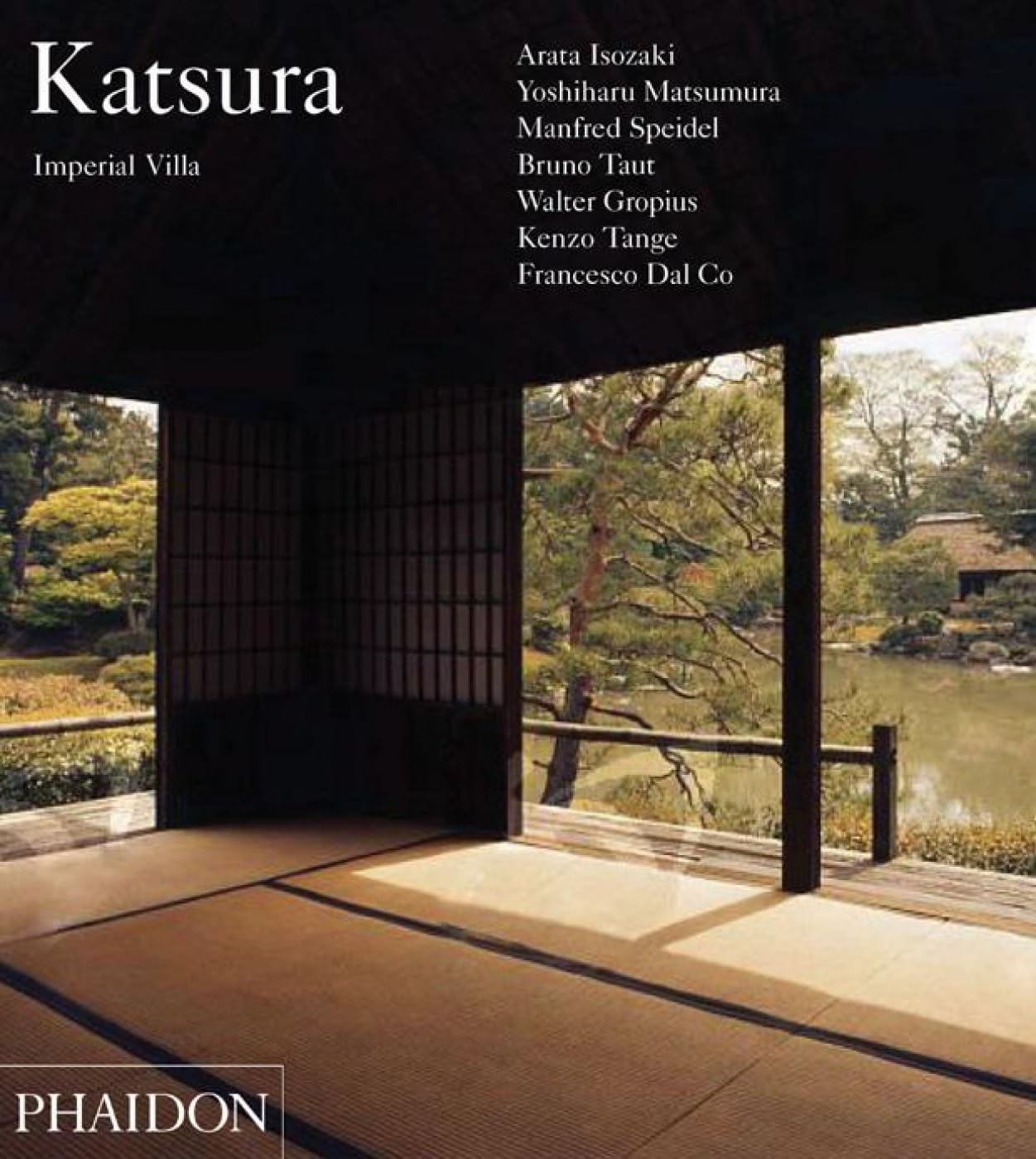
Title
Katsura: Imperial Villa
Sold by Ergodebooks, an authorized reseller.
Returns accepted within 30 days | support@ergodebooks.com
Shipping Information
- Free Standard Shipping — United States only
- Processing Time: 3–5 business days
- Estimated Delivery: 6–10 business days after dispatch
- Double-boxed, fully insured & discreetly packaged
- Tracking number sent via email once dispatched
Returns & Refund
Returns accepted within 30 days of delivery.
Damaged or Defective Item
Free return shipping + replacement or full refund
Wrong Item Received
Free return shipping + replacement or full refund
Change of Mind
Return shipping at customer's expense · 25% restocking fee applies
Payment Option

A detailed history of Katsura, the seventeenthcentury Imperial Palace in Kyoto, Japan, a pivotal work of Japanese architecture, often described as the 'quintessence of Japanese taste'. First revealed to the modern architectural world by Bruno Taut, the great German architect, in the early twentiethcentury, Katsura stunned and then excited the architectural community of the West. Le Corbusier and Walter Gropius, pillars of the Modernist establishment, were fascinated by Katsura's 'modernity'. This book documents the palace in detail, combining newly commissioned photographs, detailed drawings, archival material, and historical analysis.
⚠️ WARNING (California Proposition 65):
This product may contain chemicals known to the State of California to cause cancer, birth defects, or other reproductive harm.
For more information, please visit www.P65Warnings.ca.gov.
- Q: What is the size of 'Katsura: Imperial Villa'? A: The book measures ten inches in length, one point thirty-eight inches in width, and eleven inches in height. This size makes it a substantial and visually engaging addition to any bookshelf.
- Q: How many pages does 'Katsura: Imperial Villa' have? A: This book contains four hundred two pages. It offers a comprehensive exploration of the Katsura Imperial Villa and its architectural significance.
- Q: What type of binding is used for 'Katsura: Imperial Villa'? A: The book features a paperback binding. This makes it lightweight and easy to handle, perfect for reading at home or on the go.
- Q: Who is the author of 'Katsura: Imperial Villa'? A: The author is Arata Isozaki. He is a renowned architect and scholar, providing valuable insights into Japanese architecture.
- Q: What is the main theme of 'Katsura: Imperial Villa'? A: The book focuses on the architectural history and significance of Katsura, a seventeenth-century Imperial Palace in Kyoto, Japan. It highlights its influence on modern architecture.
- Q: Is 'Katsura: Imperial Villa' suitable for architecture students? A: Yes, this book is highly suitable for architecture students. It offers in-depth analysis and rich visual content that can enhance their understanding of Japanese architectural principles.
- Q: Can I use 'Katsura: Imperial Villa' for research purposes? A: Yes, this book is an excellent resource for research. It includes detailed drawings, photographs, and archival material that support academic study.
- Q: Is 'Katsura: Imperial Villa' appropriate for casual readers? A: Yes, casual readers will also enjoy this book. The engaging narrative and stunning visuals make it accessible and enjoyable for anyone interested in architecture or history.
- Q: How should I store 'Katsura: Imperial Villa' to keep it in good condition? A: Store the book upright on a shelf in a cool, dry place. This helps prevent damage from moisture and direct sunlight, preserving its quality.
- Q: Can I clean 'Katsura: Imperial Villa' if it gets dirty? A: Yes, you can gently wipe the cover with a soft, dry cloth. Avoid using water or cleaners that could damage the book.
- Q: What if my copy of 'Katsura: Imperial Villa' arrives damaged? A: If your copy arrives damaged, contact the seller for a return or exchange. Most retailers have policies in place to handle such issues.
- Q: Is there a warranty for 'Katsura: Imperial Villa'? A: Typically, books do not come with warranties. However, check with the retailer for their return policy regarding defects.
- Q: How does 'Katsura: Imperial Villa' compare to other architecture books? A: This book stands out due to its focus on a single landmark, offering detailed insights. It’s ideal for those specifically interested in Japanese architecture.
- Q: Is 'Katsura: Imperial Villa' a good gift for architecture enthusiasts? A: Yes, it makes an excellent gift for architecture enthusiasts. The book's rich visuals and historical context will appeal to anyone passionate about design.
- Q: What makes 'Katsura: Imperial Villa' a unique book? A: Its combination of historical analysis, modern photographs, and architectural drawings sets it apart. It offers a comprehensive view of an iconic structure.
- Q: Are there any other books similar to 'Katsura: Imperial Villa'? A: Yes, books on Japanese architecture or specific landmarks like the Ryoan-ji Temple could be similar. Look for works that focus on cultural and architectural significance.