
Title
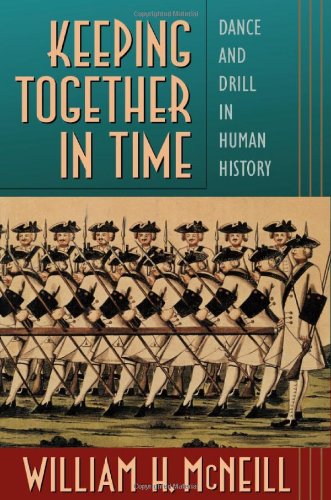
Keeping Together in Time: Dance and Drill in Human History,Used
Sold by Ergodebooks, an authorized reseller.
Returns accepted within 30 days | support@ergodebooks.com
Shipping Information
- Free Standard Shipping — United States only
- Processing Time: 3–5 business days
- Estimated Delivery: 6–10 business days after dispatch
- Double-boxed, fully insured & discreetly packaged
- Tracking number sent via email once dispatched
Returns & Refund
Returns accepted within 30 days of delivery.
Damaged or Defective Item
Free return shipping + replacement or full refund
Wrong Item Received
Free return shipping + replacement or full refund
Change of Mind
Return shipping at customer's expense · 25% restocking fee applies
Payment Option

Could something as simple and seemingly natural as falling into step have marked us for evolutionary success? In Keeping Together in Time one of the most widely read and respected historians in America pursues the possibility that coordinated rhythmic movementand the shared feelings it evokeshas been a powerful force in holding human groups together. As he has done for historical phenomena as diverse as warfare, plague, and the pursuit of power, William H. McNeill brings a dazzling breadth and depth of knowledge to his study of dance and drill in human history. From the records of distant and ancient peoples to the latest findings of the life sciences, he discovers evidence that rhythmic movement has played a profound role in creating and sustaining human communities. The behavior of chimpanzees, festival village dances, the closeorder drill of early modern Europe, the ecstatic dancetrances of shamans and dervishes, the goosestepping Nazi formations, the morning exercises of factory workers in Japanall these and many more figure in the bold picture McNeill draws. A sense of community is the key, and shared movement, whether dance or military drill, is its mainspring. McNeill focuses on the visceral and emotional sensations such movement arouses, particularly the euphoric fellowfeeling he calls 'muscular bonding.' These sensations, he suggests, endow groups with a capacity for cooperation, which in turn improves their chance of survival.A tour de force of imagination and scholarship, Keeping Together in Time reveals the muscular, rhythmic dimension of human solidarity. Its lessons will serve us well as we contemplate the future of the human community and of our various local communities.
⚠️ WARNING (California Proposition 65):
This product may contain chemicals known to the State of California to cause cancer, birth defects, or other reproductive harm.
For more information, please visit www.P65Warnings.ca.gov.