
Title
Keywords in Evolutionary Biology,New
Sold by Ergodebooks, an authorized reseller.
Returns accepted within 30 days | support@ergodebooks.com
Shipping Information
- Free Standard Shipping — United States only
- Processing Time: 3–5 business days
- Estimated Delivery: 6–10 business days after dispatch
- Double-boxed, fully insured & discreetly packaged
- Tracking number sent via email once dispatched
Returns & Refund
Returns accepted within 30 days of delivery.
Damaged or Defective Item
Free return shipping + replacement or full refund
Wrong Item Received
Free return shipping + replacement or full refund
Change of Mind
Return shipping at customer's expense · 25% restocking fee applies
Payment Option

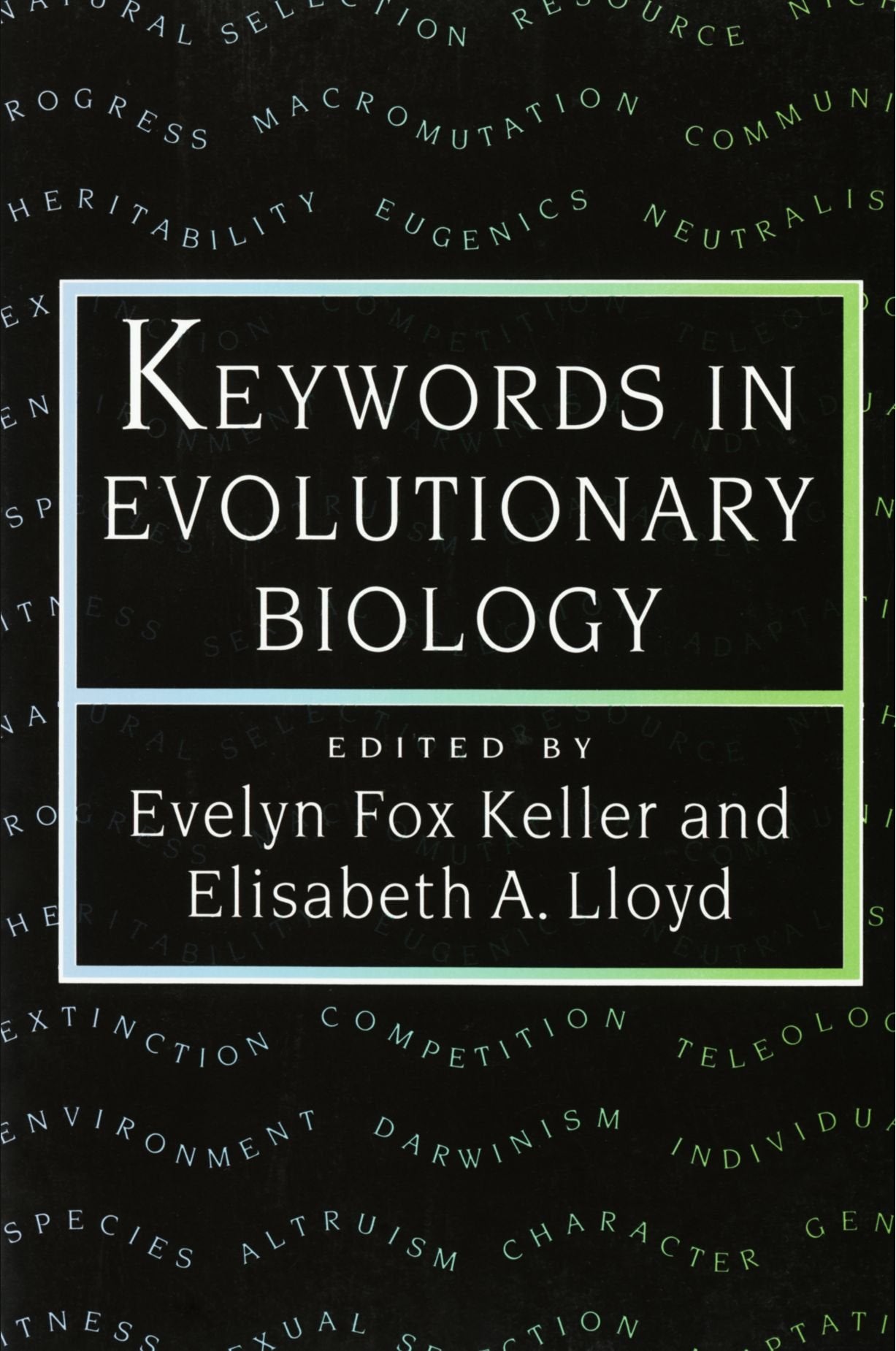
In science, more than elsewhere, a word is expected to mean what it says, nothing more, nothing less. But scientific discourse is neither different nor separable from ordinary languagemeanings are multiple, ambiguities ubiquitous. Keywords in Evolutionary Biology grapples with this problem in a field especially prone to the confusion engendered by semantic imprecision.Written by historians, philosophers, and biologistsincluding, among others, Stephen Jay Gould, Diane Paul, John Beatty, Robert Richards, Richard Lewontin, David Sloan Wilson, Peter Bowler, and Richard Dawkinsthese essays identify and explicate those terms in evolutionary biology which, though commonly used, are plagues by multiple concurrent and historically varying meanings. By clarifying these terms in their many guises, the editors Evelyn Fox Keller and Elisabeth Lloyd hope to focus attention on major scholarly problems in the fieldproblems sometimes obscured, sometimes reveals, and sometimes even created by the use of such equivocal words. Competition, adaptation, and fitness, for instance, are among the terms whose multiple meaning have led to more than merely semantic debates in evolutionary biology.Exploring the complexity of keywords and clarifying their role in prominent issues in the field, this book will prove invaluable to scientists and philosophers trying to come to terms with evolutionary theory; it will also serve as a useful guide to future research into the way in which scientific language works.
⚠️ WARNING (California Proposition 65):
This product may contain chemicals known to the State of California to cause cancer, birth defects, or other reproductive harm.
For more information, please visit www.P65Warnings.ca.gov.
- Q: What is the main focus of 'Keywords in Evolutionary Biology'? A: The book focuses on the complexities and ambiguities of key terms in evolutionary biology, exploring how these terms can have multiple meanings that impact scholarly discussions.
- Q: Who are the authors of this book? A: The book is edited by Evelyn Fox Keller and Elisabeth Lloyd, featuring contributions from notable historians, philosophers, and biologists such as Stephen Jay Gould and Richard Dawkins.
- Q: What type of binding does this book have? A: The book is available in paperback binding, making it accessible for readers who prefer physical copies.
- Q: How many pages does 'Keywords in Evolutionary Biology' have? A: The book contains 430 pages, providing a comprehensive exploration of its topics.
- Q: When was 'Keywords in Evolutionary Biology' published? A: The book was published on August 19, 1998.
- Q: Is this book suitable for someone new to evolutionary biology? A: Yes, the book is beneficial for both newcomers and experienced scholars, as it clarifies essential terms and concepts in evolutionary biology.
- Q: What subjects are covered in the essays of the book? A: The essays cover a wide range of subjects related to evolutionary biology, including terms like 'competition', 'adaptation', and 'fitness', examining their varied meanings.
- Q: Does the book address historical variations in scientific terms? A: Yes, the book discusses how the meanings of terms in evolutionary biology have evolved over time, highlighting historical context and semantic variations.
- Q: Can this book aid in understanding scientific language? A: Absolutely, it serves as a valuable guide for readers looking to understand the nuances and complexities of scientific language within evolutionary theory.
- Q: What is the condition of the book? A: The book is in new condition, ensuring that readers receive a quality product.