
Title
Killing With Kindness: Haiti, International Aid, And Ngos,Used
Sold by Ergodebooks, an authorized reseller.
Returns accepted within 30 days | support@ergodebooks.com
Shipping Information
- Free Standard Shipping — United States only
- Processing Time: 3–5 business days
- Estimated Delivery: 6–10 business days after dispatch
- Double-boxed, fully insured & discreetly packaged
- Tracking number sent via email once dispatched
Returns & Refund
Returns accepted within 30 days of delivery.
Damaged or Defective Item
Free return shipping + replacement or full refund
Wrong Item Received
Free return shipping + replacement or full refund
Change of Mind
Return shipping at customer's expense · 25% restocking fee applies
Payment Option

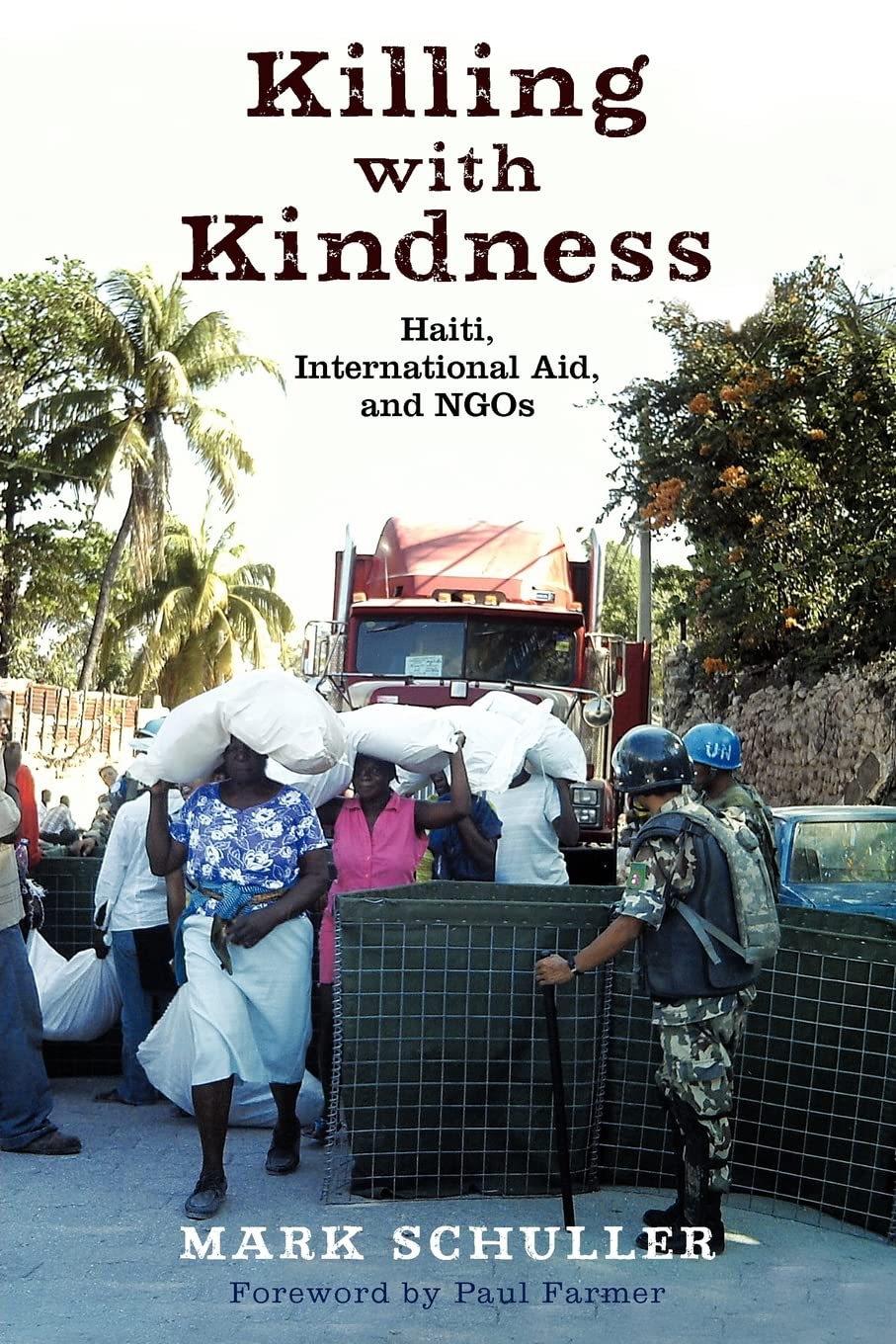
Winner of the 2015 Margaret Mead Award from the American Anthropological Association and the Society for Applied AnthropologyAfter Haitis 2010 earthquake, over half of U.S. households donated to thousands of nongovernmental organizations (NGOs) in that country. Yet we continue to hear stories of misery from Haiti. Why have NGOs failed at their mission?Set in Haiti during the 2004 coup and aftermath and enhanced by research conducted after the 2010 earthquake, Killing with Kindness analyzes the impact of official development aid on recipient NGOs and their relationships with local communities. Written like a detective story, the book offers rich ethnographic comparisons of two Haitian womens NGOs working in HIV/AIDS prevention, one with public funding (including USAID), the other with private European NGO partners. Mark Schuller looks at participation and autonomy, analyzing donor policies that inhibit these goals. He focuses on NGOs roles as intermediaries in gluing the contemporary world system together and shows how power works within the aid system as these intermediaries impose interpretations of unclear mandates down the chaina process Schuller calls trickledown imperialism.
⚠️ WARNING (California Proposition 65):
This product may contain chemicals known to the State of California to cause cancer, birth defects, or other reproductive harm.
For more information, please visit www.P65Warnings.ca.gov.
- Q: How many pages does this book have? A: This book has two hundred fifty-six pages. It provides an in-depth analysis of international aid and NGOs in Haiti.
- Q: What is the binding type of this book? A: This book is available in paperback binding. This makes it lightweight and easy to carry.
- Q: Who is the author of 'Killing with Kindness'? A: The author is Mark Schuller. He is known for his research on international aid and its impact on communities.
- Q: What is the genre of this book? A: This book falls under the category of Health Risk Assessment. It explores themes related to international relations and humanitarian aid.
- Q: Is this book suitable for academic studies? A: Yes, this book is suitable for academic studies. It won the Margaret Mead Award, highlighting its scholarly value.
- Q: How do I read this book effectively? A: To read this book effectively, consider taking notes on key themes and arguments. The book's narrative style makes it engaging.
- Q: Is there any specific reading level for this book? A: This book is intended for adult readers. Its content is complex and requires a mature understanding of international issues.
- Q: Can this book be used in a classroom setting? A: Yes, this book can be used in a classroom setting. It provides valuable insights into the functioning of NGOs and international aid.
- Q: How should I store this book to keep it in good condition? A: Store this book upright on a shelf to prevent bending. Keep it away from direct sunlight to avoid fading.
- Q: What is the best way to clean this book? A: To clean this book, gently wipe the cover with a soft, dry cloth. Avoid using water or cleaners that may damage the pages.
- Q: What if the book arrives damaged? A: If the book arrives damaged, contact the seller for a return or exchange. Most retailers have policies for damaged items.
- Q: Is there a warranty for this book? A: No, books typically do not come with a warranty. However, check the retailer's return policy for any guarantees.
- Q: Can I return this book if I don't like it? A: Yes, you can return the book if you don't like it. Be sure to check the specific return policy of the retailer.
- Q: Is this book suitable for beginners in international aid studies? A: Yes, this book is suitable for beginners. It provides foundational knowledge while engaging the reader with a narrative approach.
- Q: How does this book compare to other works on international aid? A: This book offers a unique ethnographic perspective on NGOs in Haiti. It contrasts with more theoretical approaches found in other texts.
- Q: Is the content of this book relevant today? A: Yes, the content is relevant today. It discusses ongoing issues in international aid and the effectiveness of NGOs.