If you have any questions, you are always welcome to contact us. We'll get back to you as soon as possible, withing 24 hours on weekdays.
Customer service
All questions about your order, return and delivery must be sent to our customer service team by e-mail at yourstore@yourdomain.com
Sale & Press
If you are interested in selling our products, need more information about our brand or wish to make a collaboration, please contact us at press@yourdomain.com
Help
If you have any questions, you are always welcome to contact us. We'll get back to you as soon as possible, withing 24 hours on weekdays.
Customer service
All questions about your order, return and delivery must be sent to our customer service team by e-mail at yourstore@yourdomain.com
Sale & Press
If you are interested in selling our products, need more information about our brand or wish to make a collaboration, please contact us at press@yourdomain.com
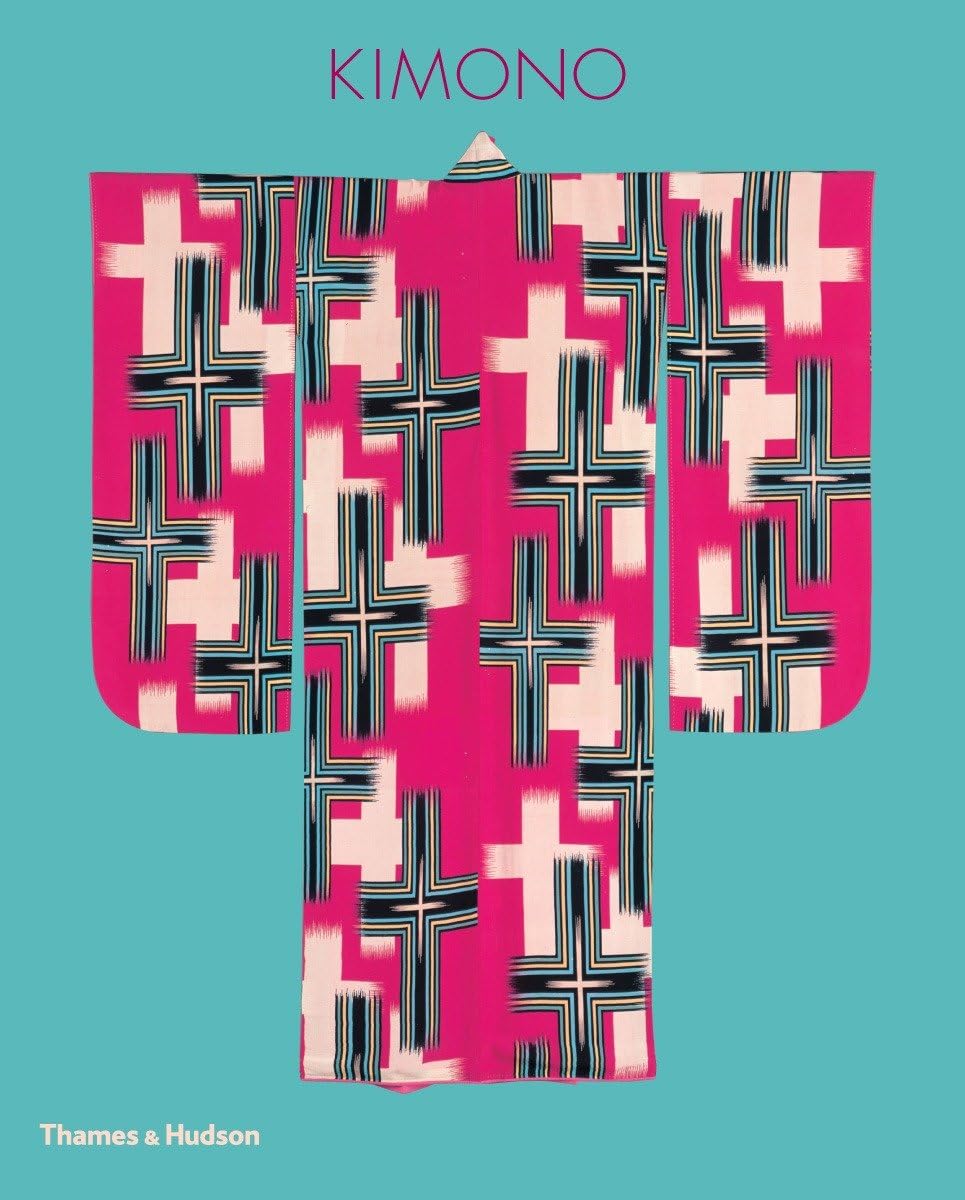
Highlights from one of the worlds most outstanding collections of traditional Japanese kimonos, with stunning examples from the Edo period through the twentieth century In traditional Japanese dress, the surface of the garment is most important. The Tshaped, straightseamed, frontwrapping kimono has changed its shape very little over the centuries, but the weaving, dyeing, and embroidery used to decorate its surface make each a unique, wearable work of art. Choice of color and pattern vary richly to indicate gender, age, status, wealth, and taste, and are executed in a complex combination of weaving, dyeing, and embroidery techniques, with a single garment sometimes requiring the expert skills of a number of different artisans.Kimono showcases a magnificent range of kimonos from the the Khalili Collection, which comprises more than 200 garments and spans almost 300 years of Japanese textile artistry.Gorgeously illustrated and written by an international team of experts, the book surveys kimono of the imperial court, samurai aristocracy, and affluent merchant classes of the Edo period (16031868); the shifting styles and new color palette of Meiji period dress (18681912); and the bold and dazzling kimono of the Taisho (191226) and early Showa (192689) periods, when designers used innovative new techniques and fused traditional looks with inspiration from the modernist aesthetic then sweeping the world. 400 illustrations
⚠️ WARNING (California Proposition 65):
This product may contain chemicals known to the State of California to cause cancer,
birth defects, or other reproductive harm.
For MAP (Minimum Advertised Price) violations and Intellectual Property (IP) or Trademark concerns, please contact:
support@ergodebooks.com
⚠️ California Proposition 65 Warning: Some products sold on this website may expose you to chemicals known to the State of California to cause cancer, birth defects, or other reproductive harm. For more information, visit www.P65Warnings.ca.gov.