
Title
Kingsport, Tennessee: A Planned American City,Used
Sold by Ergodebooks, an authorized reseller.
Returns accepted within 30 days | support@ergodebooks.com
Shipping Information
- Free Standard Shipping — United States only
- Processing Time: 3–5 business days
- Estimated Delivery: 6–10 business days after dispatch
- Double-boxed, fully insured & discreetly packaged
- Tracking number sent via email once dispatched
Returns & Refund
Returns accepted within 30 days of delivery.
Damaged or Defective Item
Free return shipping + replacement or full refund
Wrong Item Received
Free return shipping + replacement or full refund
Change of Mind
Return shipping at customer's expense · 25% restocking fee applies
Payment Option

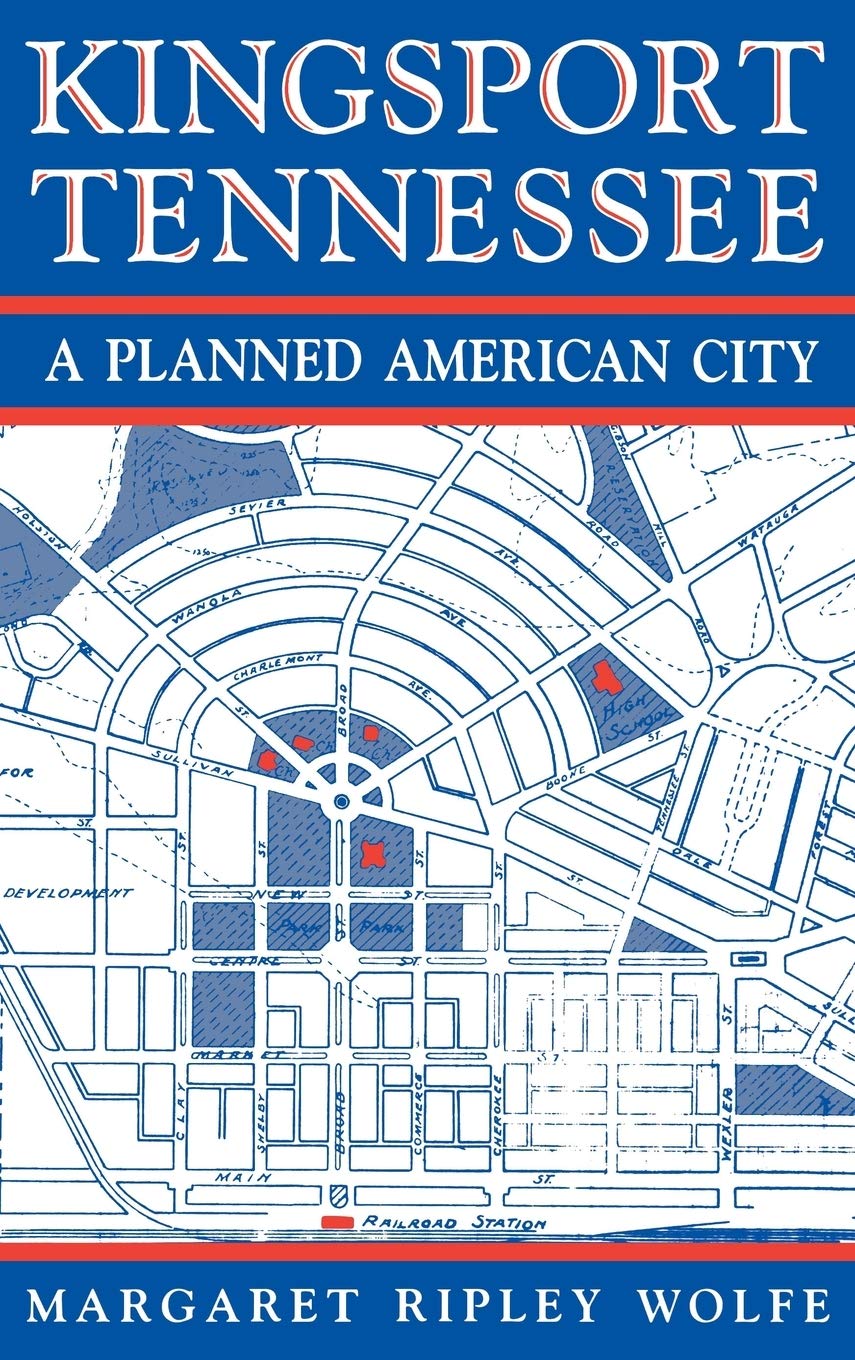
Kingsport, Tennessee, was the first thoroughly diversified, professionally planned, and privately financed city in twentiethcentury America. The advent of this socalled model city, a glittering new industrial jewel in the green mountains, offered area residents an alternative to rural life and staid smalltown existence as the new century dawned. Neither an Appalachian hamlet nor a company town, Kingsport developed as a selfproclaimed 'AllAmerican City.'Produced by the marriage of New South philosophy and Progressivism, born of a passing historical moment when capitalists turned their attention to Southern Appalachia, and nurtured by the Protestant work ethic, Kingsport today reflects its heritage. From flaunting its patriotism with grandiose Fourth of July parades to being defensive about its pollution, the city exhibits values almost stereotypically those of middleclass America. But loss of vision and a decline in the quality of leadership plague contemporary Kingsport, and, like other American industrial strongholds, it is buffeted by the winds of the hightech revolution and the changing world economy.This first fulllength biography of Kingsport challenges interpretations of regional history that promote the colonial and poverty models. Margaret Ripley Wolfe brings to it the advantage of an insider's perspective. In considering the special roles of capital, labor, industry, and government over seven decades, she neither patronizes Appalachian workers nor treats developers and industrialists as villains. Her book will interest scholars of urbanization, city planning, landscape architecture, and industrialization, as well as local history enthusiasts.
⚠️ WARNING (California Proposition 65):
This product may contain chemicals known to the State of California to cause cancer, birth defects, or other reproductive harm.
For more information, please visit www.P65Warnings.ca.gov.