
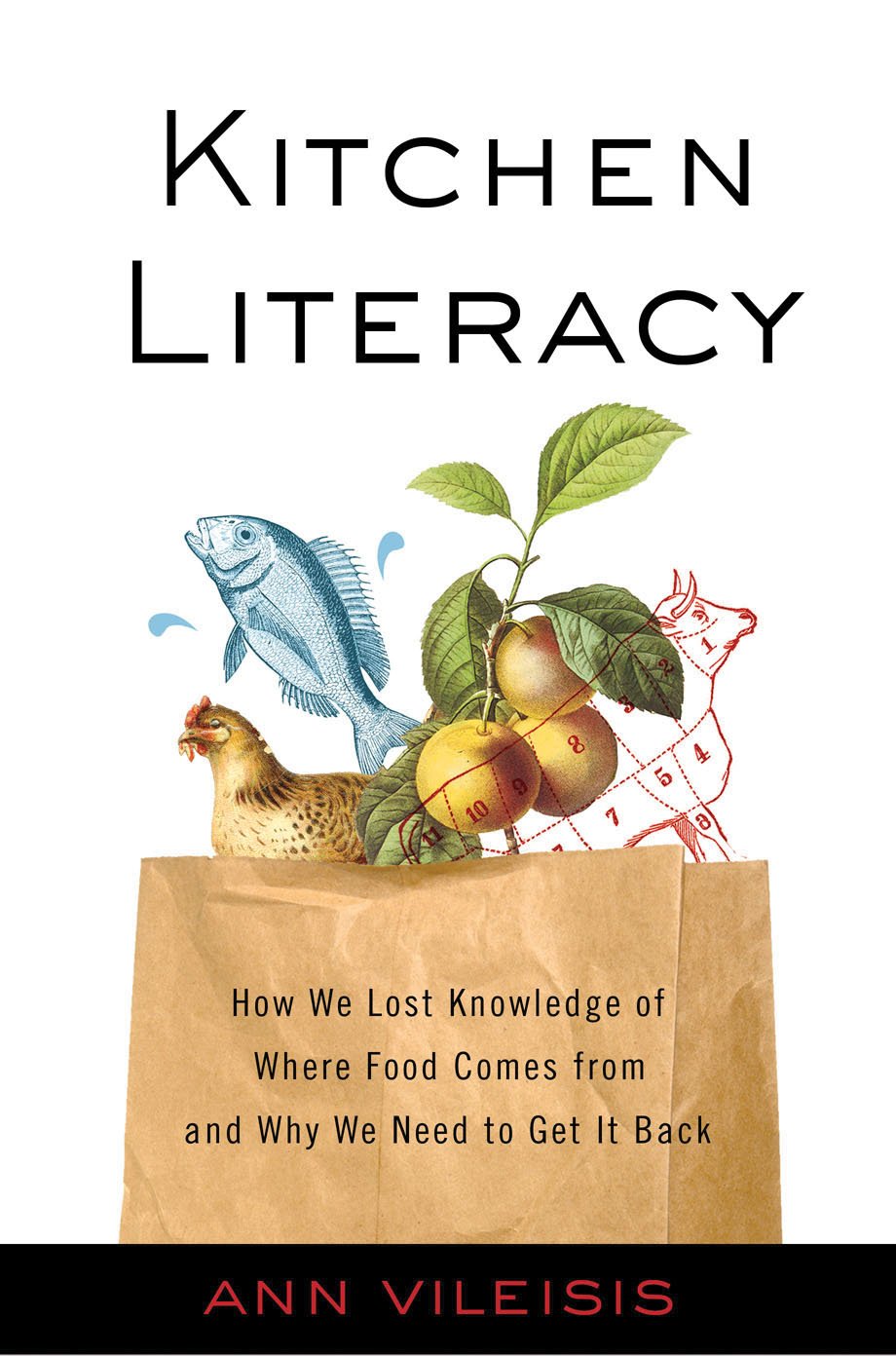
Title
Kitchen Literacy: How We Lost Knowledge Of Where Food Comes From And Why We Need To Get It Back
Sold by Ergodebooks, an authorized reseller.
Returns accepted within 30 days | support@ergodebooks.com
Shipping Information
- Free Standard Shipping — United States only
- Processing Time: 3–5 business days
- Estimated Delivery: 6–10 business days after dispatch
- Double-boxed, fully insured & discreetly packaged
- Tracking number sent via email once dispatched
Returns & Refund
Returns accepted within 30 days of delivery.
Damaged or Defective Item
Free return shipping + replacement or full refund
Wrong Item Received
Free return shipping + replacement or full refund
Change of Mind
Return shipping at customer's expense · 25% restocking fee applies
Payment Option

Ask Children Where Food Comes From, And Theyll Probably Answer: The Supermarket. Ask Most Adults, And Their Replies May Not Be Much Different. Where Our Foods Are Raised And What Happens To Them Between Farm And Supermarket Shelf Have Become Mysteries. How Did We Become So Disconnected From The Sources Of Our Breads, Beef, Cheeses, Cereal, Apples, And Countless Other Foods That Nourish Us Every Day?Ann Vileisiss Answer Is A Sensoryrich Journey Through The History Of Making Dinner. Kitchen Literacy Takes Us From An Eighteenthcentury Garden To Todays Sleek Supermarket Aisles, And Eventually To Farmers Markets That Are Now Enjoying A Resurgence. Vileisis Chronicles Profound Changes In How American Cooks Have Considered Their Foods Over Two Centuries And Delivers A Powerful Statement: What We Dont Know Could Hurt Us.As The Distance Between Farm And Table Grew, We Went From Knowing Particular Places And Specific Stories Behind Our Foods Origins To Instead Relying On Advertisers Claims. The Woman Who Raised, Plucked, And Cooked Her Own Chicken Knew Its Entire Life History While Today Most Of Us Have No Idea Whether Hormones Were Fed To Our Poultry. Industrialized Eating Is Undeniably Convenient, But It Has Also Created Health And Environmental Problems, Including Foodborne Pathogens, Toxic Pesticides, And Pollution From Factory Farms.Though The Hidden Costs Of Modern Meals Can Be High, Vileisis Shows That Greater Understanding Can Lead Consumers To Healthier And More Sustainable Choices. Revealing How Knowledge Of Our Food Has Been Lost And How It Might Now Be Regained, Kitchen Literacy Promises To Make Us Think Differently About What We Eat.
⚠️ WARNING (California Proposition 65):
This product may contain chemicals known to the State of California to cause cancer, birth defects, or other reproductive harm.
For more information, please visit www.P65Warnings.ca.gov.
- Q: How many pages does Kitchen Literacy have? A: The book Kitchen Literacy has three hundred thirty-two pages. This length allows for an in-depth exploration of food history and awareness.
- Q: What is the binding type of Kitchen Literacy? A: Kitchen Literacy is a hardcover book. This binding provides durability and makes it a great addition to any bookshelf.
- Q: Who is the author of Kitchen Literacy? A: The author of Kitchen Literacy is Ann Vileisis. She offers insights into the history of food and consumer awareness.
- Q: What age group is Kitchen Literacy suitable for? A: Kitchen Literacy is suitable for adults and older teens. The book addresses complex themes about food history and consumerism.
- Q: Is Kitchen Literacy a good book for beginners in food studies? A: Yes, Kitchen Literacy is good for beginners. It provides accessible insights into the history and origins of food.
- Q: How does Kitchen Literacy help with understanding food origins? A: Kitchen Literacy helps by revealing the history behind our food sources. It encourages readers to reconnect with the origins of their meals.
- Q: What should I do to keep Kitchen Literacy in good condition? A: To keep Kitchen Literacy in good condition, store it upright on a shelf. Avoid exposure to direct sunlight to prevent fading.
- Q: Can Kitchen Literacy be read while cooking? A: Yes, you can read Kitchen Literacy while cooking. However, it is more suited for leisurely reading due to its informative nature.
- Q: Is there a specific way to care for hardcover books like Kitchen Literacy? A: Yes, for hardcover books like Kitchen Literacy, keep them away from moisture and dust. Regularly dust the cover and store them properly.
- Q: What if Kitchen Literacy arrives damaged? A: If Kitchen Literacy arrives damaged, you should contact the retailer for return instructions. Most places offer a return policy for damaged goods.
- Q: Can I return Kitchen Literacy if I'm not satisfied? A: Yes, you can typically return Kitchen Literacy if you're not satisfied. Check the specific return policy of the retailer for details.
- Q: Is Kitchen Literacy suitable for book clubs? A: Yes, Kitchen Literacy is suitable for book clubs. Its themes are thought-provoking and can spark engaging discussions.
- Q: Does Kitchen Literacy cover modern food issues? A: Yes, Kitchen Literacy covers modern food issues. It discusses industrialized eating and its implications on health and the environment.
- Q: Is Kitchen Literacy a historical or a modern book? A: Kitchen Literacy is both historical and modern. It chronicles food history while addressing current food-related challenges.
- Q: What genre does Kitchen Literacy belong to? A: Kitchen Literacy belongs to the history genre. It explores the evolution of food knowledge and consumer habits over time.