
Title
Knowing History in Mexico: An Ethnography of Citizenship,Used
Processing time: 1-3 days
US Orders Ships in: 3-5 days
International Orders Ships in: 8-12 days
Return Policy: 15-days return on defective items
Payment Option

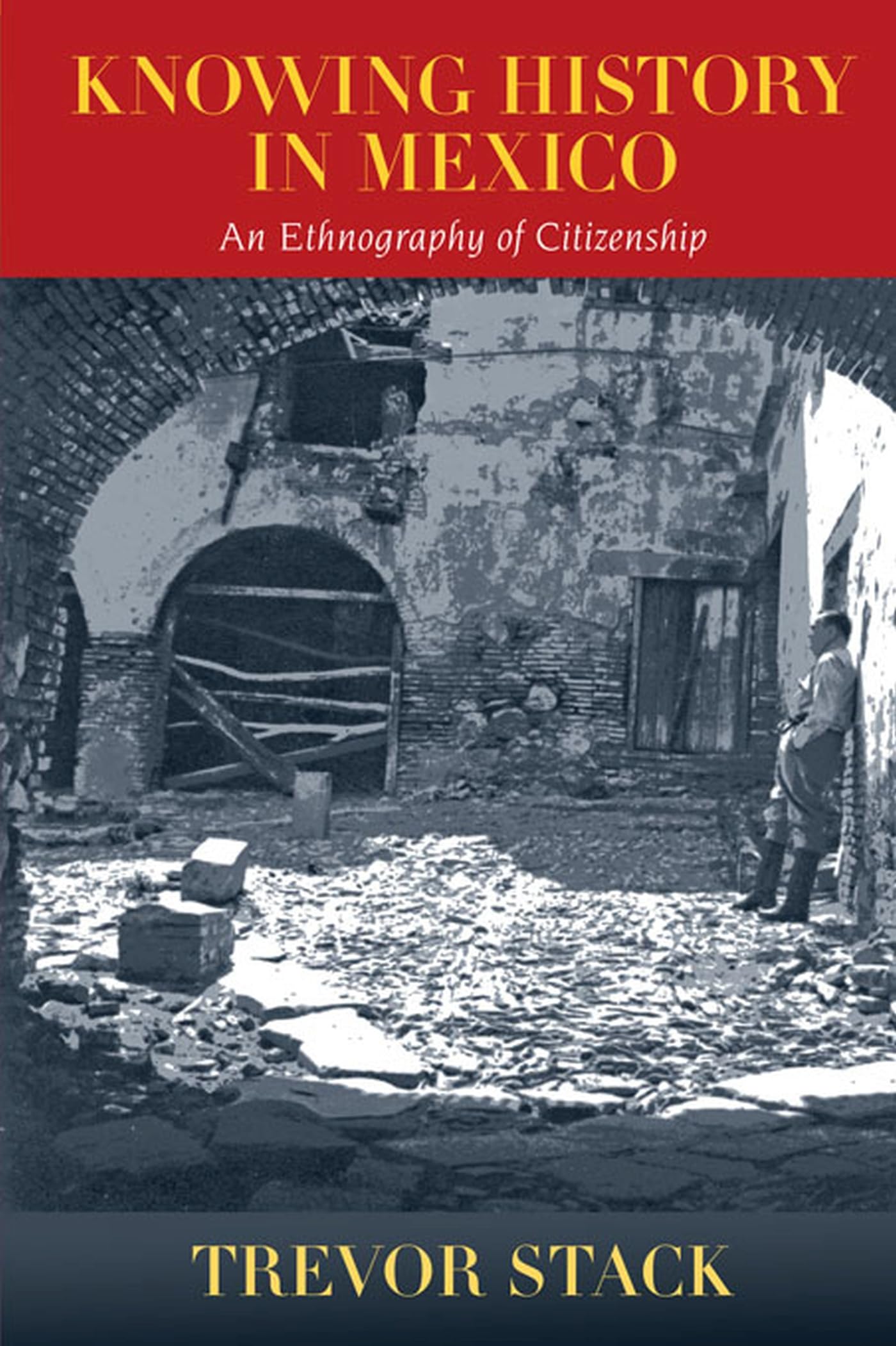
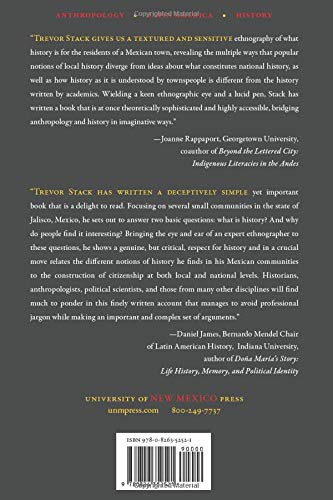
From the Back Cover "Trevor Stack gives us a textured and sensitive ethnography of what history is for the residents of a Mexican town, revealing the multiple ways that popular notions of local history diverge from ideas about what constitutes national history, as well as how history as it is understood by townspeople is different from the history written by academics. Wielding a keen ethnographic eye and a lucid pen, Stack has written a book that is at once theoretically sophisticated and highly accessible, bridging anthropology and history in imaginative ways." Joanne Rappaport, Georgetown University, coauthor of Beyond the Lettered City: Indigenous Literacies in the Andes."Trevor Stack has written a deceptively simple yet important book that is a delight to read. Focusing on several small communities in the state of Jalisco, Mexico, he sets out to answer two basic questions: what is history? And why do people find it interesting? Bringing the eye and ear of an expert ethnographer to these questions, he shows a genuine, but critical, respect for history and in a crucial move relates the different notions of history he finds in his Mexican communities to the construction of citizenship at both local and national levels. Historians, anthropologists, political scientists, and those from many other disciplines will find much to ponder in this finely written account that manages to avoid professional jargon while making an important and complex set of arguments." Daniel James,Bernardo Mendel Chair of Latin American History, Indiana University, author of Doa Mara's Story: Life History, Memory, and Political Identity. Product Description While much has been written about national history and citizenship, anthropologist Trevor Stack focuses on the history and citizenship of towns and cities. Basing his inquiry on fieldwork in west Mexican towns near Guadalajara, Stack begins by observing that people talked (and wrote) of their towns' history and not just of Mexico's.Key to Stack's study is the insight that knowing history can give someone public status or authority. It can make someone stand out as a good or eminent citizen. What is it about history that makes this so? What is involved in knowing history and who is good at it? And what do they gain from being eminent citizens, whether of towns or nations?As well as academic historians, Stack interviewed people from all walks of lifebricklayers, priests, teachers, politicians, peasant farmers, lawyers, and migrants. Resisting the idea that history is intrinsically interesting or valuablethat one simply must know the past in order to understand the presenthe explores the very idea of "the past" and asks why it is valued by so many people. From the Inside Flap While much has been written about national history and citizenship, anthropologist Trevor Stack focuses on the history and citizenship of towns and cities. Basing his inquiry on fieldwork in west Mexican towns near Guadalajara, Stack begins by observing that people talked (and wrote) of their towns' history and not just of Mexico's. About the Author Trevor Stack is director of the Centre for Citizenship, Civil Society and Rule of Law, as well as a lecturer in the Hispanic Studies Department at the University of Aberdeen.
⚠️ WARNING (California Proposition 65):
This product may contain chemicals known to the State of California to cause cancer, birth defects, or other reproductive harm.
For more information, please visit www.P65Warnings.ca.gov.