
Title
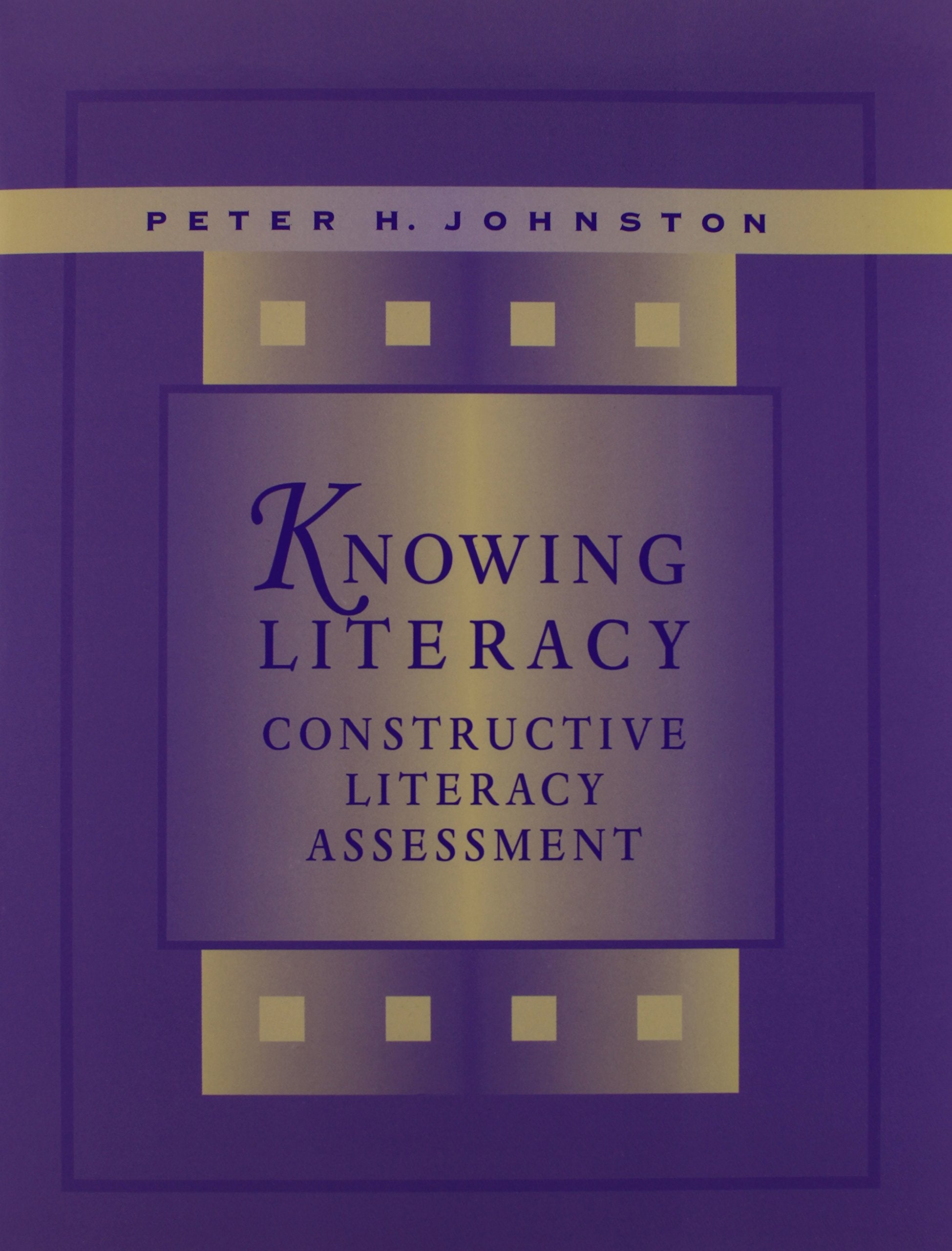
Knowing Literacy: Constructive Literacy Assessment,Used
Sold by Ergodebooks, an authorized reseller.
Returns accepted within 30 days | support@ergodebooks.com
Shipping Information
- Free Standard Shipping — United States only
- Processing Time: 3–5 business days
- Estimated Delivery: 6–10 business days after dispatch
- Double-boxed, fully insured & discreetly packaged
- Tracking number sent via email once dispatched
Returns & Refund
Returns accepted within 30 days of delivery.
Damaged or Defective Item
Free return shipping + replacement or full refund
Wrong Item Received
Free return shipping + replacement or full refund
Change of Mind
Return shipping at customer's expense · 25% restocking fee applies
Payment Option

American children are the most tested in the world, and the poor and the less competent are the most tested of all. We keep trying to improve literacy learning by developing new tests with better technical characteristics. But, as we shall see, all of this testing has had, if anything, the opposite effect. Our error has been in approaching the matter as if it were merely a technical problemas if it were possible, even desirable, to exclude human judgment and values from the assessment process, and as if it were reasonable to treat children as psychological objects. Assessment is a profoundly human, social phenomenon, thoroughly valueladen, and it cannot be otherwise. And in order to draw valid conclusions about a child's learning, a teacher must understand how learning takes place. The very complexity of this is in knowing the available assessment options and understanding their consequences.In Knowing LiteracyPeter Johnston sets forth the theoretical basis for today's assessment practices in the context of contemporary literacy learning theory. This comprehensive text will equip teachers with the knowledge and techniques to assess in ways that help their students develop a more thoughtful literacy.Part One describes the social and educational basis of literacy assessment, and develops an understanding of the knowledge required for accurate assessment, including the connections between a teacher's assessment practices and students' selfassessments.Part Two explores the personal, social, and intellectual nature of literacy and its developmentwhat characteristics to notice and document and what they mean.Part Three illustrates methods of documenting that development in ways that will contribute to the growth of a democratic literacy. These chapters offer examples of checklists, report cards, portfolios, and observation forms, and discuss their possibilities and implications. Two chapters, coauthored with Marie Clay, are accompanied by a CD of children reading. These chapters and the tape show you stepbystep how to make and interpret running records of children's oral reading.Part Four is intended to change the ways we talk about children's literacy development. It provides ways to engage various members of the school community in productive conversations about literate teaching and learning.The final chapter helps us understand how to keep track of literate development without losing our way and forgetting the point of literacy learning.
⚠️ WARNING (California Proposition 65):
This product may contain chemicals known to the State of California to cause cancer, birth defects, or other reproductive harm.
For more information, please visit www.P65Warnings.ca.gov.