
Title
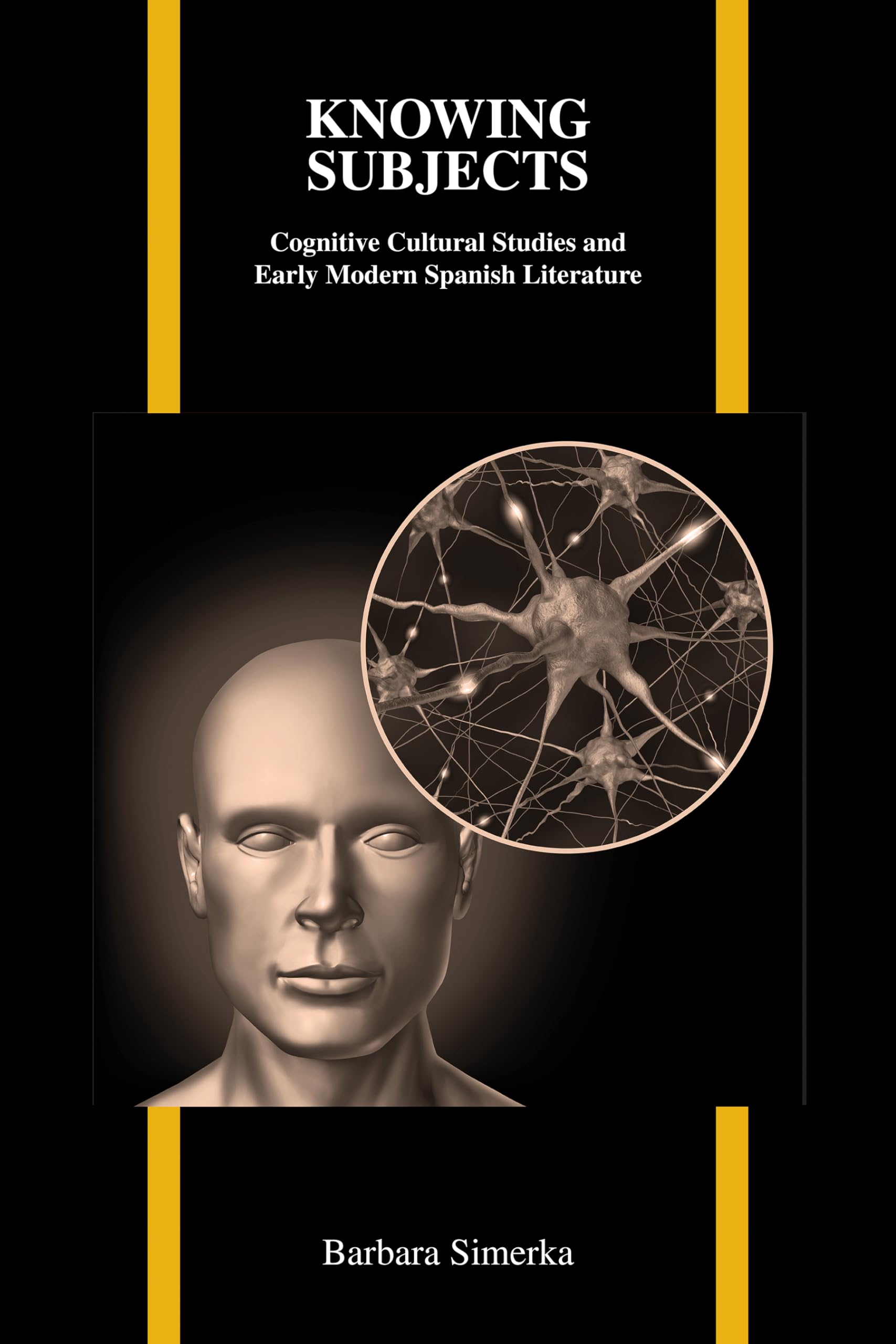
Knowing Subjects: Cognitive Cultural Studies And Early Modern Spanish (Purdue Studies In Romance Literatures, 57),Used
Sold by Ergodebooks, an authorized reseller.
Returns accepted within 30 days | support@ergodebooks.com
Shipping Information
- Free Standard Shipping — United States only
- Processing Time: 3–5 business days
- Estimated Delivery: 6–10 business days after dispatch
- Double-boxed, fully insured & discreetly packaged
- Tracking number sent via email once dispatched
Returns & Refund
Returns accepted within 30 days of delivery.
Damaged or Defective Item
Free return shipping + replacement or full refund
Wrong Item Received
Free return shipping + replacement or full refund
Change of Mind
Return shipping at customer's expense · 25% restocking fee applies
Payment Option

In Knowing Subjects, Barbara Simerka uses an emergent field of literary studycognitive cultural studiesto delineate new ways of looking at early modern Spanish literature and to analyze cognition and social identity in Spain at the time. Simerka analyzes works by Cervantes and Gracan, as well as picaresque novels and comedias. Employing an interdisciplinary approach, she brings together several strands of cognitive theory and details the synergies among neurological, anthropological, and psychological discoveries that provide new insights into human cognition. Her analysis draws on Theory of Mind, the cognitive activity that enables humans to predict what others will do, feel, think, and believe. Theory of Mind looks at how primates, including humans, conceptualize the thoughts and rationales behind other people's actions and use those insights to negotiate social relationships. This capacity is a necessary precursor to a wide variety of human interactionsboth positive and negativefrom projecting and empathizing to lying and cheating. Simerka applies this theory to texts involving courtship or social advancement, activities in which deception is most prevalentand productive. In the process, she uncovers new insights into the comedia (especially the courtship drama) and several other genres of literature (including the honor narrative, the picaresque novel, and the courtesy manual). She studies the construction of gendered identity and patriarchal norms of cognitioncontrasting the perspectives of canonical male writers with those of recently recovered female authors such as Mara de Zayas and Ana Caro. She examines the construction of social class, intellect, and honesty, and in a chapter on Don Quixote, cultural norms for leisure reading at the time. She shows how early modern Spanish literary forms reveal the relationship between an urbanizing culture, unstable subject positions and hierarchies, and social anxieties about cognition and cultural transformation.
⚠️ WARNING (California Proposition 65):
This product may contain chemicals known to the State of California to cause cancer, birth defects, or other reproductive harm.
For more information, please visit www.P65Warnings.ca.gov.