
Title
Knowing The Natural Law: From Precepts And Inclinations To Deriving Oughts,Used
Sold by Ergodebooks, an authorized reseller.
Returns accepted within 30 days | support@ergodebooks.com
Shipping Information
- Free Standard Shipping — United States only
- Processing Time: 3–5 business days
- Estimated Delivery: 6–10 business days after dispatch
- Double-boxed, fully insured & discreetly packaged
- Tracking number sent via email once dispatched
Returns & Refund
Returns accepted within 30 days of delivery.
Damaged or Defective Item
Free return shipping + replacement or full refund
Wrong Item Received
Free return shipping + replacement or full refund
Change of Mind
Return shipping at customer's expense · 25% restocking fee applies
Payment Option

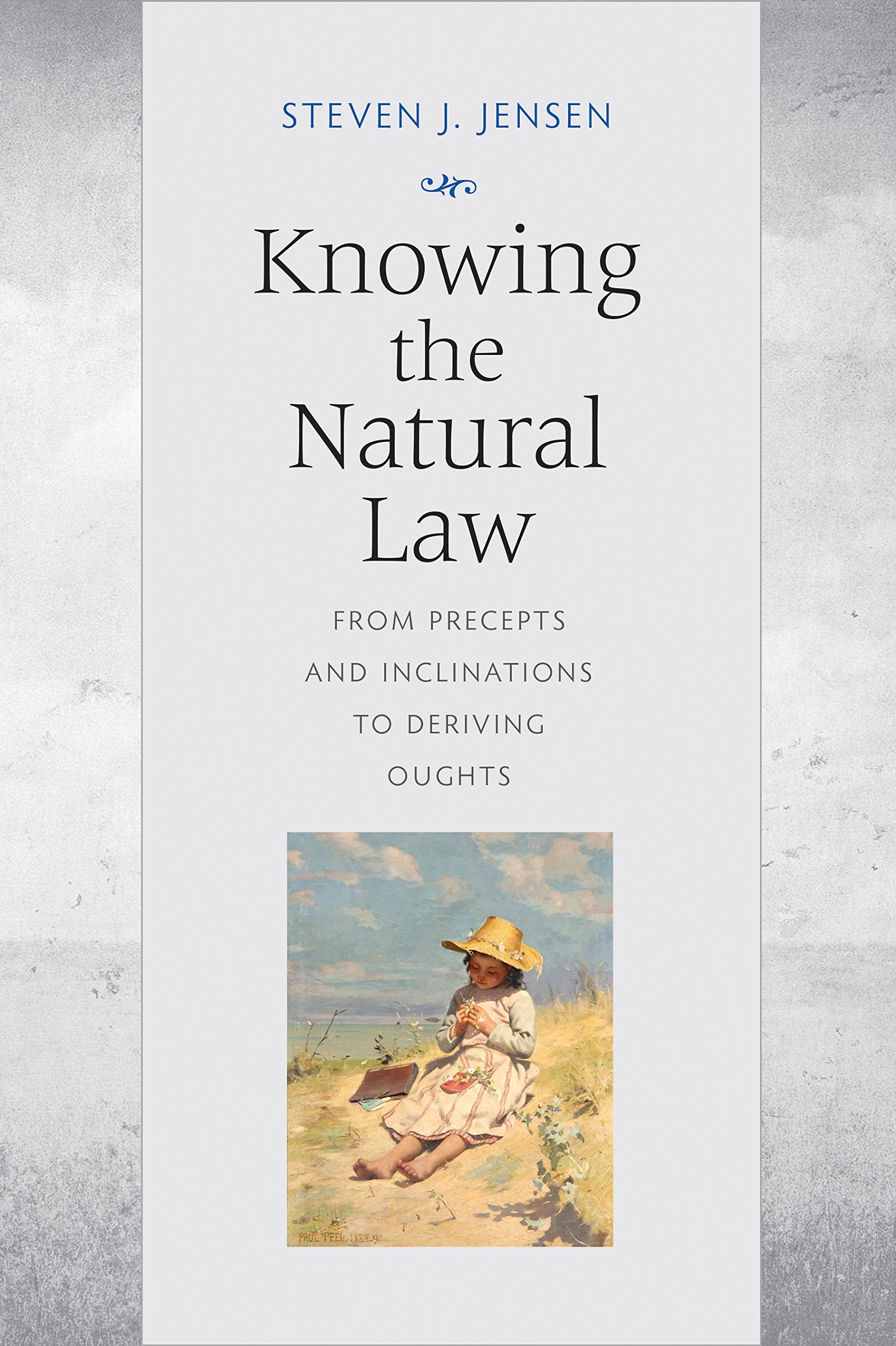
Recent discussions of Thomas Aquinas's treatment of natural law have focused upon the 'selfevident' character of the first principles, but few attempts have been made to determine in what manner they are selfevident. On some accounts, a selfevident precept must have, at most, a tenuous connection with speculative reason, especially our knowledge of God, and it must be untainted by the stain of 'deriving' an ought from an is. Yet Aquinas himself had a robust account of the good, rooted in human nature. He saw no fundamental difference between isstatements and oughtstatements, both of which he considered to be descriptive. Knowing the Natural Law traces the thought of Aquinas from an understanding of human nature to a knowledge of the human good, from there to an account of oughtstatements, and finally to choice, which issues in human actions. The much discussed article on the precepts of the natural law (III, 94, 2) provides the framework for a natural law rooted in human nature and in speculative knowledge. Practical knowledge is itself threefold: potentially practical knowledge, virtually practical knowledge, and fully practical knowledge. This distinction within practical knowledge, typically overlooked or underutilized, reveals the steps by which the mind moves from speculative knowledge all the way to fully practical knowledge. The most significant sections of Knowing the Natural Law examine the nature of oughtstatements, the imperative force of moral precepts, the special character of per se nota propositions as found within the natural law, and the final movement from knowledge to action.
⚠️ WARNING (California Proposition 65):
This product may contain chemicals known to the State of California to cause cancer, birth defects, or other reproductive harm.
For more information, please visit www.P65Warnings.ca.gov.