If you have any questions, you are always welcome to contact us. We'll get back to you as soon as possible, withing 24 hours on weekdays.
Customer service
All questions about your order, return and delivery must be sent to our customer service team by e-mail at yourstore@yourdomain.com
Sale & Press
If you are interested in selling our products, need more information about our brand or wish to make a collaboration, please contact us at press@yourdomain.com
Help
If you have any questions, you are always welcome to contact us. We'll get back to you as soon as possible, withing 24 hours on weekdays.
Customer service
All questions about your order, return and delivery must be sent to our customer service team by e-mail at yourstore@yourdomain.com
Sale & Press
If you are interested in selling our products, need more information about our brand or wish to make a collaboration, please contact us at press@yourdomain.com
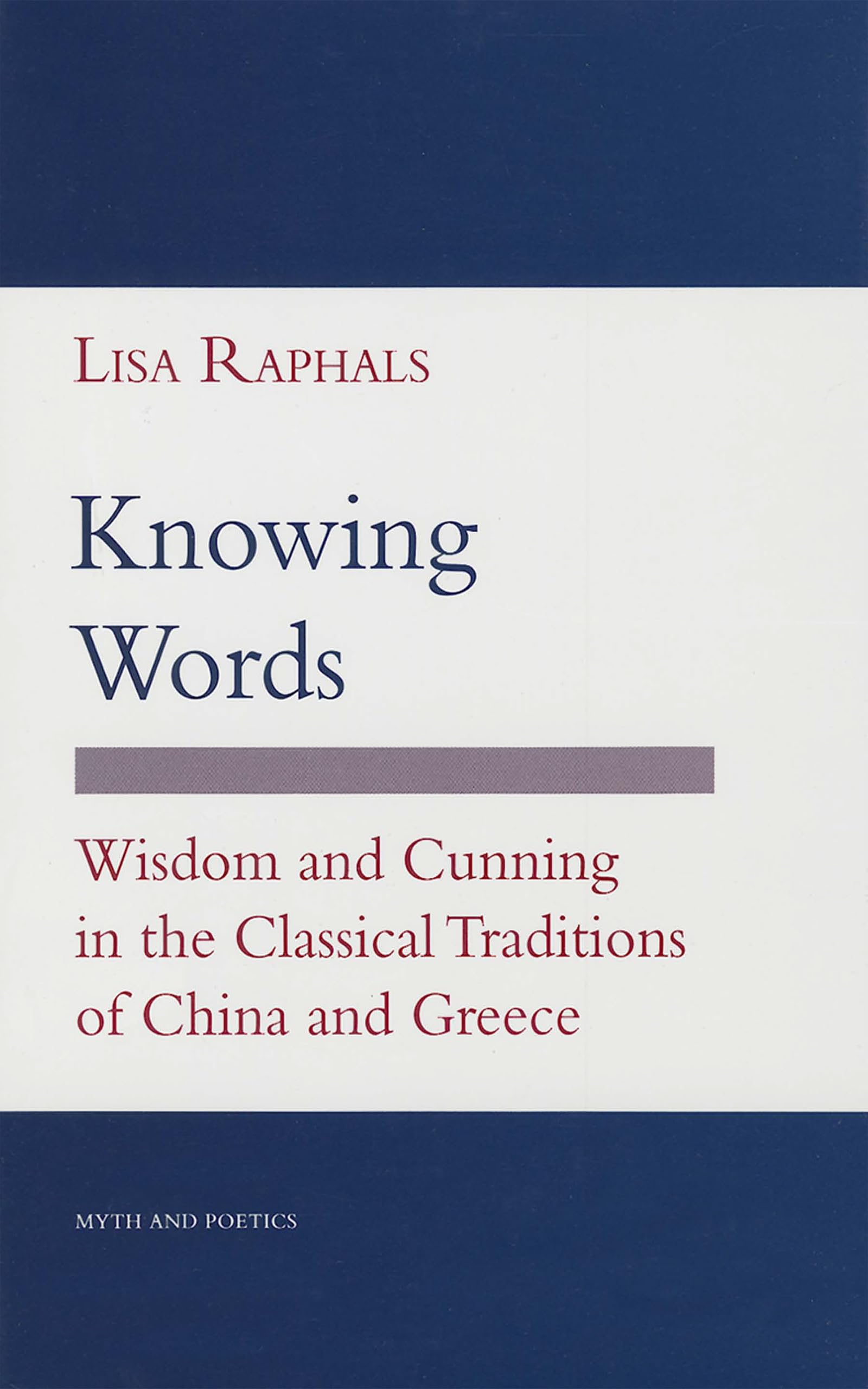
For the Greeks, the craft of Odysseus and the wisdom of Athena were examples of metis, an elusive cast of mind that ranged from wisdom and forethought to craft and cunning. Although it informed many aspects of Greek society, metis was all but absent from the language of Greek philosophy. Invoking indigenous Chinese debates, Lisa Raphals here examines the role and significance of metic intelligence in classical Chinese philosophy, literature, history, and military strategy.Raphals first examines the range of meanings of the Chinese word zhi. As with the Greek metis, the uses of zhi include 'wisdom,' 'knowledge,' 'intelligence,' 'skill,' 'cleverness,' and 'cunning.' Drawing on parallels between the two traditions, she argues that, in China as in Greece, metic intelligence tacitly informed many aspects of cultural and social life. In China, these included views of the nature of knowledge and language, standards of personal and social morality, and theories of military strategy and statecraft. After surveying representative texts from the Warring States period, Raphals considers the function of metic intelligence as the dominant quality of central characters in two novels from the Ming dynasty, the Romance of Three Kingdoms and Journey to the West. Finally, she compares the treatment of themes of heroism and recognition in the Chinese and Greek narrative traditions.Knowing Words will be welcomed by sinologists, classicists, and scholars of comparative philosophy and literature.
⚠️ WARNING (California Proposition 65):
This product may contain chemicals known to the State of California to cause cancer,
birth defects, or other reproductive harm.
For MAP (Minimum Advertised Price) violations and Intellectual Property (IP) or Trademark concerns, please contact:
support@ergodebooks.com
⚠️ California Proposition 65 Warning: Some products sold on this website may expose you to chemicals known to the State of California to cause cancer, birth defects, or other reproductive harm. For more information, visit www.P65Warnings.ca.gov.