
Title
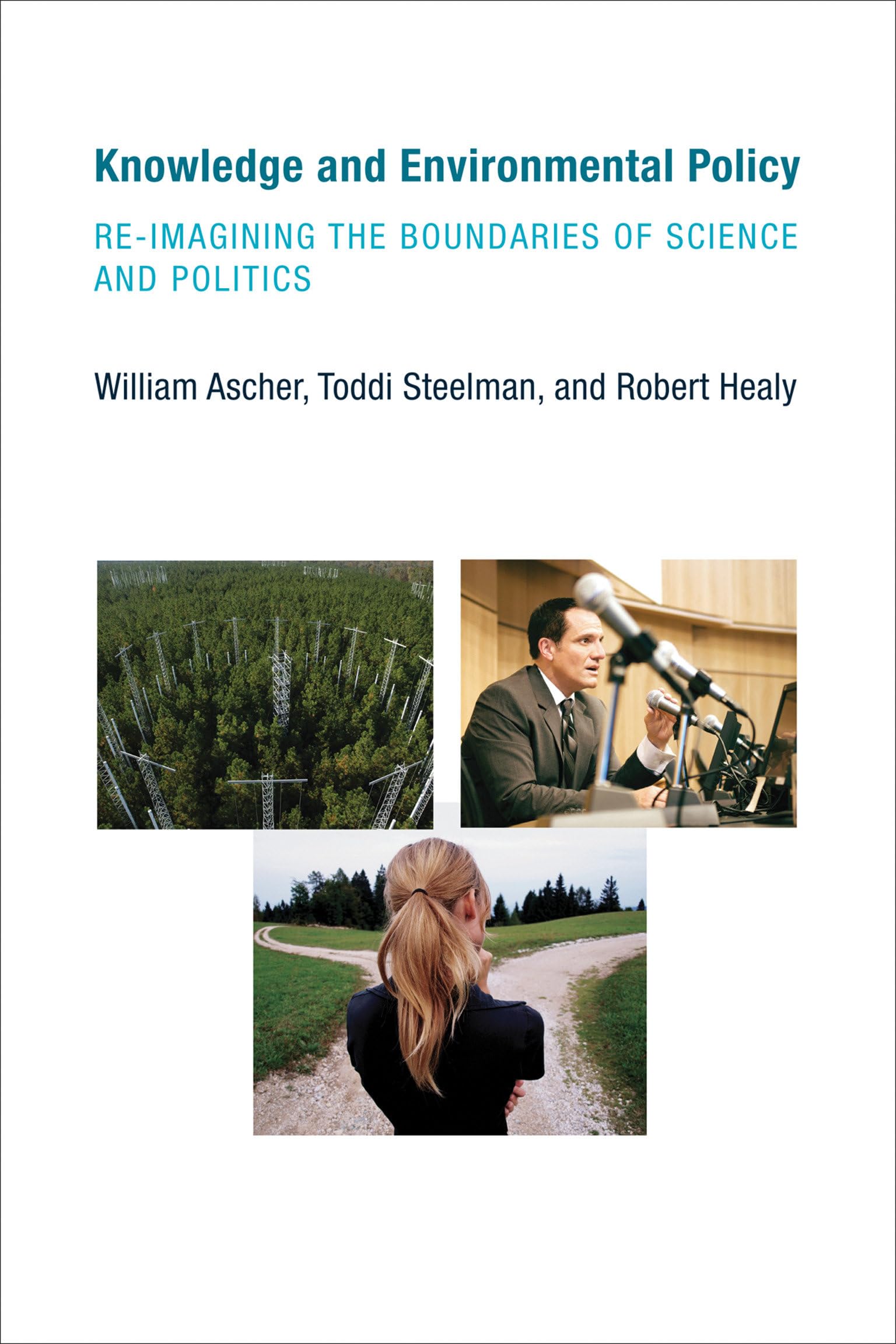
Knowledge and Environmental Policy: ReImagining the Boundaries of Science and Politics (American and Comparative Environmental ,Used
Sold by Ergodebooks, an authorized reseller.
Returns accepted within 30 days | support@ergodebooks.com
Shipping Information
- Free Standard Shipping — United States only
- Processing Time: 3–5 business days
- Estimated Delivery: 6–10 business days after dispatch
- Double-boxed, fully insured & discreetly packaged
- Tracking number sent via email once dispatched
Returns & Refund
Returns accepted within 30 days of delivery.
Damaged or Defective Item
Free return shipping + replacement or full refund
Wrong Item Received
Free return shipping + replacement or full refund
Change of Mind
Return shipping at customer's expense · 25% restocking fee applies
Payment Option

An analysis of the challenges involved in incorporating science and other kinds of knowledge into making environmental policy.During the George W. Bush administration, politics and ideology routinely trumped scientific knowledge in making environmental policy. Data were falsified, reports were edited selectively, and scientists were censored. The Obama administration has pledged to restore science to the policy making process. And yet, as the authors of Knowledge and Environmental Policy point out, the problems in connecting scientific discovery to sciencebased policy are systemic. The processcurrently structured in a futile effort to separate policy from scienceis dysfunctional in many respects.William Ascher, Toddi Steelman, and Robert Healy analyze the dysfunction and offer recommendations for incorporating formal science and other important types of knowledge (including local knowledge and public sentiment) into the environmental policymaking process.The authors divide the knowledge process into three functionsgeneration, transmission, and useand explore the key obstacles to incorporating knowledge into the making of environmental policy. Using case studies and integrating a broad literature on science, politics, and policy, they examine the ignorance or distortion of policyrelevant knowledge, the overemphasis of particular concerns and the neglect of others, and the marginalization of certain voices.The book's analysis will be valuable to scientists who want to make their work more accessible and useful to environmental policy and to policymakers who want their decisions to be informed by science but have had difficulty finding scientific knowledge that is useful or timely.
⚠️ WARNING (California Proposition 65):
This product may contain chemicals known to the State of California to cause cancer, birth defects, or other reproductive harm.
For more information, please visit www.P65Warnings.ca.gov.