If you have any questions, you are always welcome to contact us. We'll get back to you as soon as possible, withing 24 hours on weekdays.
Customer service
All questions about your order, return and delivery must be sent to our customer service team by e-mail at yourstore@yourdomain.com
Sale & Press
If you are interested in selling our products, need more information about our brand or wish to make a collaboration, please contact us at press@yourdomain.com
Help
If you have any questions, you are always welcome to contact us. We'll get back to you as soon as possible, withing 24 hours on weekdays.
Customer service
All questions about your order, return and delivery must be sent to our customer service team by e-mail at yourstore@yourdomain.com
Sale & Press
If you are interested in selling our products, need more information about our brand or wish to make a collaboration, please contact us at press@yourdomain.com
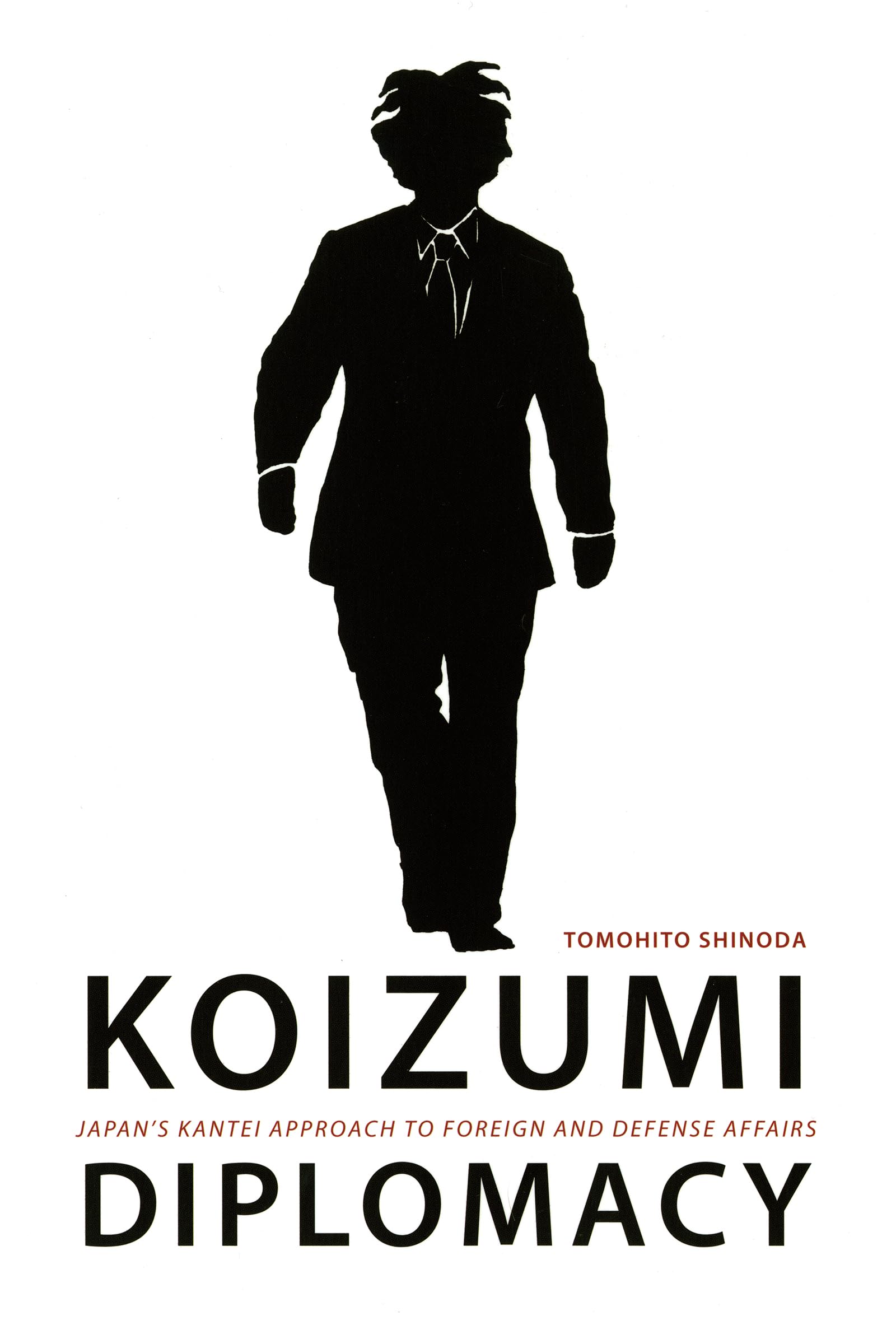
Japan's policymaking strategy in foreign and defense affairs changed dramatically in 2001 after Prime Minister Junichiro Koizumi took the helm of the longruling Liberal Democratic Party. Following a series of bland and shortlived prime ministers, Koizumi's infusion of fresh energy into a tired and opaque party has been compared with Tony Blair's successful revamping of New Labour in the U.K. Koizumi, however, had a weak power base in the party and limited diplomatic experience. How, then, was he able to exercise leadership?Tomohito Shinoda analyzes the prime minister's role in policymaking, focusing on the assistance he receives from the Kantei, or Cabinet Secretariat, the Japanese equivalent of the American president's White House cabinet. Since 2001, the Japanese government's center of gravity for foreign policy has shifted from the traditionally dominant Ministry of Foreign Affairs to the Kantei, which allowed Koizumi to exercise a topdown style of decisionmaking.Through case studies and personal interviews with former prime ministers and cabinet secretaries, Shinoda looks at how Koizumi's new system operates on a practical level how, for example, major post2001 antiterrorism legislation has been initiated and prepared by the Kanteiand compares its successes and failures with those of the U.S. system. With frank and engaging commentary by former officials, this book makes a unique contribution to the understanding of contemporary Japanese political affairs.
⚠️ WARNING (California Proposition 65):
This product may contain chemicals known to the State of California to cause cancer,
birth defects, or other reproductive harm.
For MAP (Minimum Advertised Price) violations and Intellectual Property (IP) or Trademark concerns, please contact:
support@ergodebooks.com
⚠️ California Proposition 65 Warning: Some products sold on this website may expose you to chemicals known to the State of California to cause cancer, birth defects, or other reproductive harm. For more information, visit www.P65Warnings.ca.gov.