
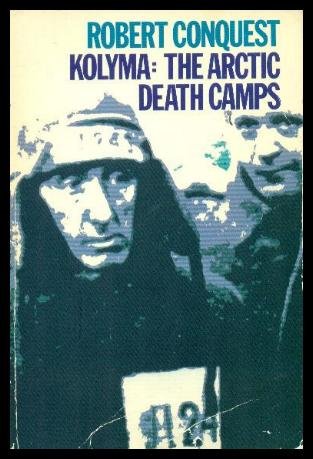
Title
Kolyma: The Arctic Death Camps,Used
Sold by Ergodebooks, an authorized reseller.
Returns accepted within 30 days | support@ergodebooks.com
Shipping Information
- Free Standard Shipping — United States only
- Processing Time: 3–5 business days
- Estimated Delivery: 6–10 business days after dispatch
- Double-boxed, fully insured & discreetly packaged
- Tracking number sent via email once dispatched
Returns & Refund
Returns accepted within 30 days of delivery.
Damaged or Defective Item
Free return shipping + replacement or full refund
Wrong Item Received
Free return shipping + replacement or full refund
Change of Mind
Return shipping at customer's expense · 25% restocking fee applies
Payment Option

While Moonlighting With The Local Police, Social Worker Hildy Schneider Is Drawn Into The Darker Side Of Smalltown Sorenson, Wisconsin, As She Teams Up With Detective Bob Richmond To Solve A Seemingly Supernatural Case.
⚠️ WARNING (California Proposition 65):
This product may contain chemicals known to the State of California to cause cancer, birth defects, or other reproductive harm.
For more information, please visit www.P65Warnings.ca.gov.
- Q: What is the page count of 'Kolyma: The Arctic Death Camps'? A: This book has two hundred fifty-six pages. It provides a comprehensive exploration of the Arctic death camps through the author's lens.
- Q: What type of binding does this book have? A: The book is available in paperback binding. This makes it a flexible and portable option for readers.
- Q: Who is the author of this book? A: The author of 'Kolyma: The Arctic Death Camps' is Robert Conquest. He is known for his insightful historical analysis.
- Q: What is the genre of 'Kolyma: The Arctic Death Camps'? A: The book falls under the category of historical non-fiction. It delves into the grim realities of life in the Arctic camps.
- Q: What are the main themes addressed in the book? A: Key themes include survival, suffering, and the harsh realities of forced labor camps. The narrative sheds light on human resilience in extreme conditions.
- Q: Is 'Kolyma: The Arctic Death Camps' suitable for young readers? A: No, this book is not suitable for young readers. It contains mature themes and historical content that may be disturbing.
- Q: How can I read 'Kolyma: The Arctic Death Camps'? A: You can read this book by purchasing or borrowing it from a library. It's available in paperback format for easy reading.
- Q: What reading level is required for this book? A: The reading level is suitable for adults and young adults. The complex themes and historical context require a mature understanding.
- Q: How should I store this paperback book? A: Store the book in a cool, dry place away from direct sunlight. This helps preserve the binding and printed pages.
- Q: Can I clean the book if it gets dirty? A: Yes, you can gently wipe the cover with a soft, dry cloth. Avoid using water or cleaning solutions to prevent damage.
- Q: What if the book arrives damaged? A: If the book arrives damaged, contact the seller for a return or replacement. Most retailers have policies in place for such issues.
- Q: Is there a warranty on this book? A: No, books typically do not come with a warranty. However, check with the retailer for their return policy.
- Q: How does 'Kolyma: The Arctic Death Camps' compare to other historical books? A: This book offers a unique perspective on Soviet-era labor camps, differing from other historical accounts by focusing on personal narratives.
- Q: Is this book recommended for history enthusiasts? A: Yes, it is highly recommended for history enthusiasts. It provides deep insights into a lesser-known aspect of history.
- Q: What are the publication details for this book? A: The book is published by Oxford University Press. It provides credible academic insights into historical events.
- Q: Are there any notable reviews or critiques of this book? A: Yes, it has received positive reviews for its thorough research and compelling narrative style. Critics praise its historical significance.