If you have any questions, you are always welcome to contact us. We'll get back to you as soon as possible, withing 24 hours on weekdays.
Customer service
All questions about your order, return and delivery must be sent to our customer service team by e-mail at yourstore@yourdomain.com
Sale & Press
If you are interested in selling our products, need more information about our brand or wish to make a collaboration, please contact us at press@yourdomain.com
Help
If you have any questions, you are always welcome to contact us. We'll get back to you as soon as possible, withing 24 hours on weekdays.
Customer service
All questions about your order, return and delivery must be sent to our customer service team by e-mail at yourstore@yourdomain.com
Sale & Press
If you are interested in selling our products, need more information about our brand or wish to make a collaboration, please contact us at press@yourdomain.com
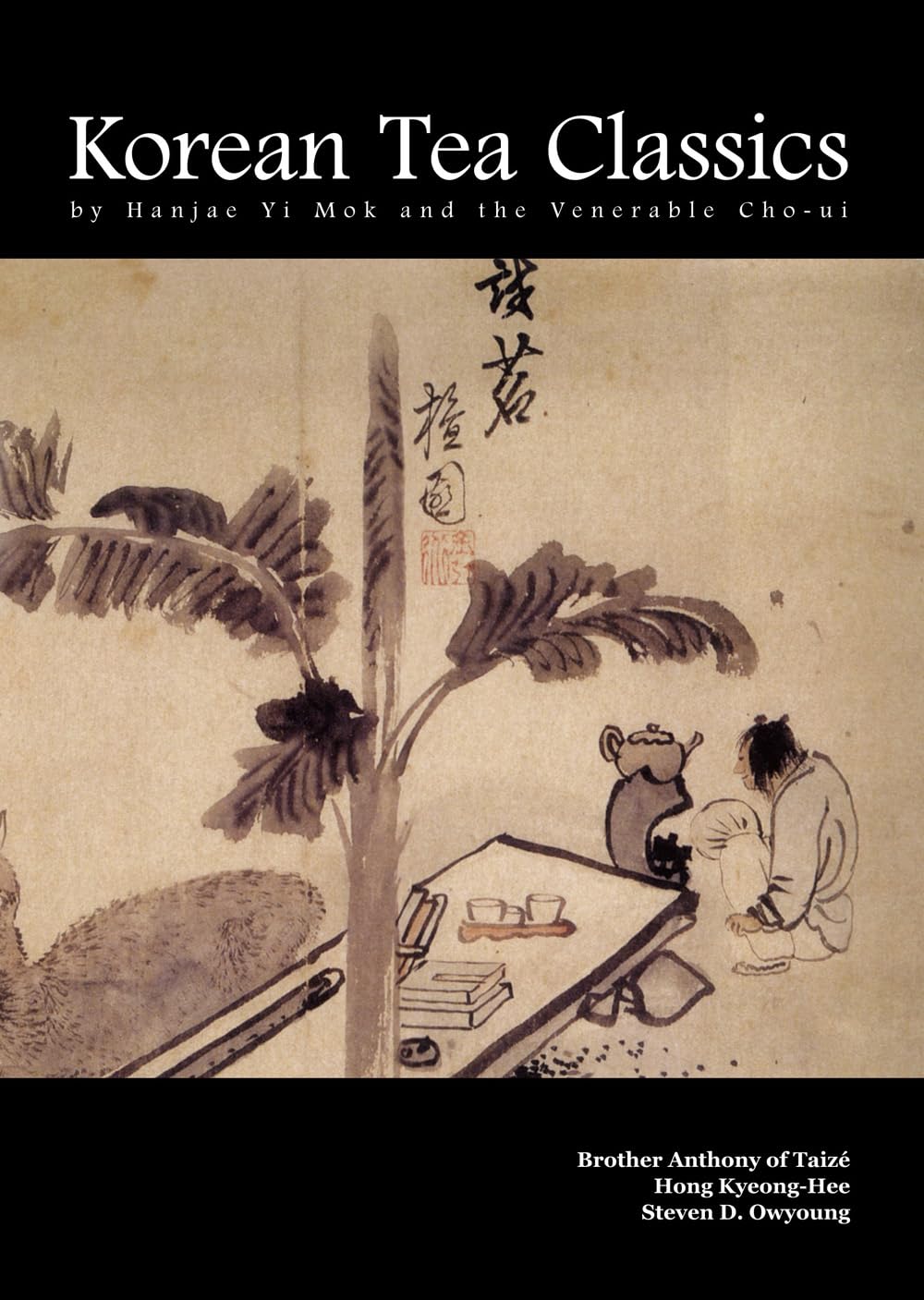
Most of the books about tea published across the world in recent years make no mention of the tea produced in Korea. Likewise, people who study the literary texts inspired by tea in earlier centuries usually only know of the works written in China and Japan. Yet Korea not only has its own history of tea and the Way of Tea, it also has its own Classics of Tea, its Poetry of Tea.Three ancient texts expressing the essence of the Korean Way of Tea are here translated into English for the first time. The oldest, ChaBu Rhapsody to Tea, by Hanjae Yi Mok (14711498), is a sophisticated and delicate celebration of tea. The author was a scholar of considerable attainments who died far too early. The 19th century saw a tea revival among Korean literati. Its main guide was the Venerable Choui (17861866). The first of his tea texts, ChaSinJeon Chronicle of the Spirit of Tea, he copied from a Ming Chinese work to serve as a practical guide to tea. The great poem DongChaSong Hymn in Praise of Korean Tea, for which Choui is chiefly celebrated, is a set of formal poetic stanzas celebrating tea with notes by the author to elucidate the references.This volume offers an English translation of these three remarkable works, with explanatory notes and biographies of the two great masters of Korean tea. It gives readers who are unfamiliar with Classical Chinese access to the essential texts of the Korean Way of Tea.
⚠️ WARNING (California Proposition 65):
This product may contain chemicals known to the State of California to cause cancer,
birth defects, or other reproductive harm.
For MAP (Minimum Advertised Price) violations and Intellectual Property (IP) or Trademark concerns, please contact:
support@ergodebooks.com
⚠️ California Proposition 65 Warning: Some products sold on this website may expose you to chemicals known to the State of California to cause cancer, birth defects, or other reproductive harm. For more information, visit www.P65Warnings.ca.gov.