
Title
Kubrick'S Hope: Discovering Optimism From 2001 To Eyes Wide Shut,Used
Sold by Ergodebooks, an authorized reseller.
Returns accepted within 30 days | support@ergodebooks.com
Shipping Information
- Free Standard Shipping — United States only
- Processing Time: 3–5 business days
- Estimated Delivery: 6–10 business days after dispatch
- Double-boxed, fully insured & discreetly packaged
- Tracking number sent via email once dispatched
Returns & Refund
Returns accepted within 30 days of delivery.
Damaged or Defective Item
Free return shipping + replacement or full refund
Wrong Item Received
Free return shipping + replacement or full refund
Change of Mind
Return shipping at customer's expense · 25% restocking fee applies
Payment Option

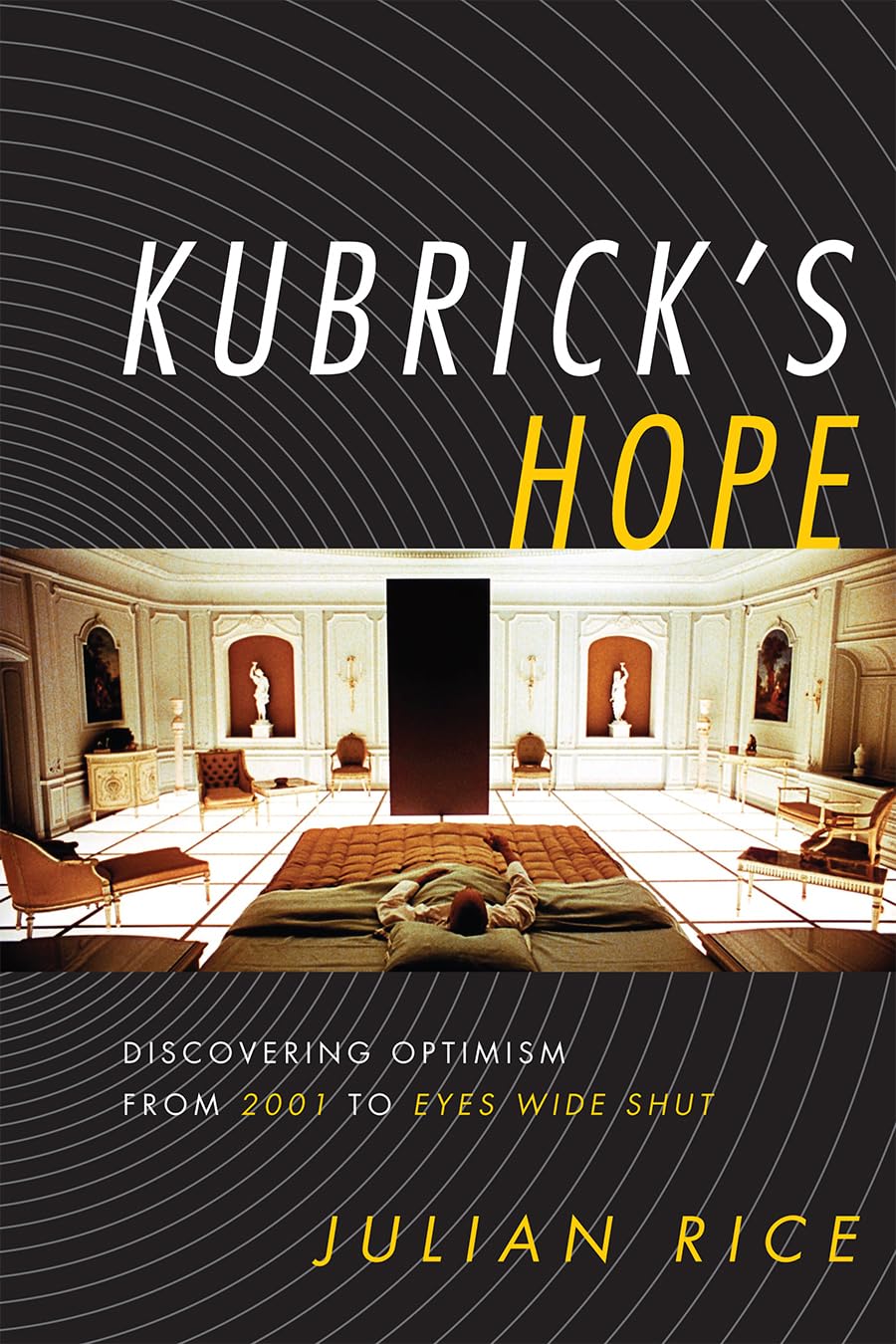
There have been two common assumptions about Stanley Kubrick: that his films portray human beings who are driven exclusively by aggression and greed, and that he pessimistically rejected meaning in a contingent, postmodern world. However, as Kubrick himself remarked, 'A work of art should be always exhilarating and never depressing, whatever its subject matter may be.'In this new interpretation of Kubrick's films, Julian Rice suggests that the director's work had a more positive outlook than most people credit him. And while other studies have recounted Kubrick's life and production histories, few have offered lucid explanations of specific sources and their influence on his films.In Kubrick's Hope, Rice explains how the theories of Freud and Jung took cinematic form, and also considers the significant impression left on the director's last six films by Robert Ardrey, Bruno Bettelheim, and Joseph Campbell. In addition to providing useful contexts, Rice offers close readings of the films, inviting readers to note details they may have missed and to interpret them in their own way. By refreshing their experience of the films and discarding postmodern clichs, viewers may discover more optimistic themes in the director's works.Beginning with 2001: A Space Odyssey and continuing through A Clockwork Orange, Barry Lyndon, The Shining, Full Metal Jacket, and Eyes Wide Shut, Rice illuminates Kubrick's thinking at the time he made each film. Throughout, Rice examines the compelling political, psychological, and spiritual issues the director raises. As this book contends, if these works are considered together and repeatedly reviewed, Kubrick's films may help viewers to personally grow and collectively endure.
⚠️ WARNING (California Proposition 65):
This product may contain chemicals known to the State of California to cause cancer, birth defects, or other reproductive harm.
For more information, please visit www.P65Warnings.ca.gov.