
Title
Kupilikula: Governance And The Invisible Realm In Mozambique,Used
Sold by Ergodebooks, an authorized reseller.
Returns accepted within 30 days | support@ergodebooks.com
Shipping Information
- Free Standard Shipping — United States only
- Processing Time: 3–5 business days
- Estimated Delivery: 6–10 business days after dispatch
- Double-boxed, fully insured & discreetly packaged
- Tracking number sent via email once dispatched
Returns & Refund
Returns accepted within 30 days of delivery.
Damaged or Defective Item
Free return shipping + replacement or full refund
Wrong Item Received
Free return shipping + replacement or full refund
Change of Mind
Return shipping at customer's expense · 25% restocking fee applies
Payment Option

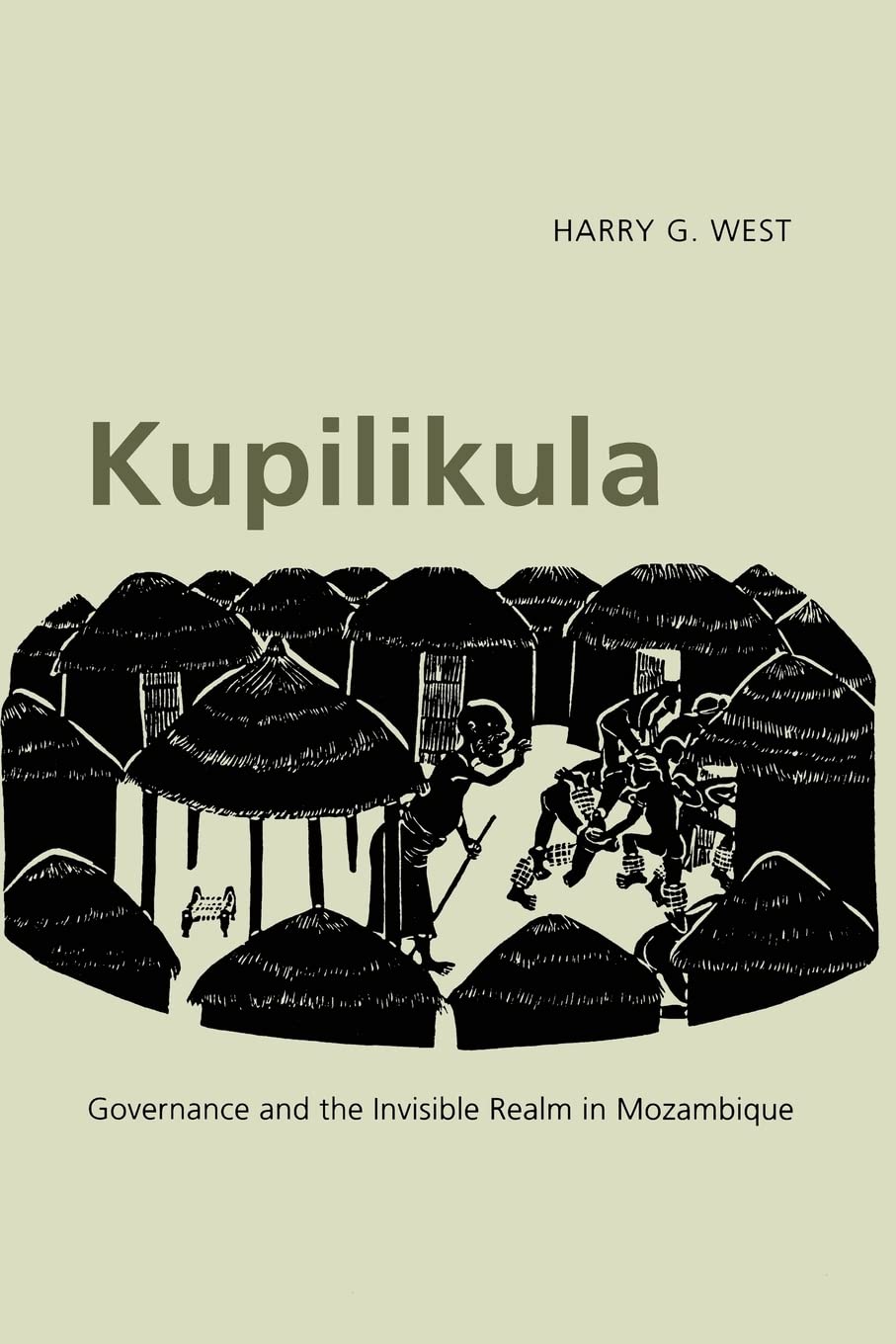
On The Mueda Plateau In Northern Mozambique, Sorcerers Are Said To Feed On Their Victims, Sometimes 'Making' Lions Or Transforming Into Lions To Literally Devour Their Flesh. When The Ruling Frelimo Party Subscribed To Socialism, It Condemned Sorcery Beliefs And Countersorcery Practices As False Consciousness, But Since Undertaking Neoliberal Reform, The Partystill In Power After Three Electoral Cycleshas 'Tolerated Tradition,' Leaving Villagers To Interpret And Engage With Events In The Idiom Of Sorcery. Now, When The Lions Prowl Plateau Villages ,Suspected Sorcerers Are Often Lynched.In This Historical Ethnography Of Sorcery, Harry G. West Draws On A Decade Of Fieldwork And Combines The Perspectives Of Anthropology And Political Science To Reveal How Muedans Expect Responsible Authorities To Monitor The Invisible Realm Of Sorcery And To Overturn Or, As Muedans Call It, 'Kupilikula' Sorcerers' Destructive Attacks By Practicing A Constructive Form Of Countersorcery Themselves. Kupilikula Argues That, Where Neoliberal Policies Have Fostered Social Division Rather Than Security And Prosperity, Muedans Have, In Fact, Used Sorcery Discourse To Assess And Sometimes Overturn Reforms, Advancing Alternative Visions Of A World Transformed.
⚠️ WARNING (California Proposition 65):
This product may contain chemicals known to the State of California to cause cancer, birth defects, or other reproductive harm.
For more information, please visit www.P65Warnings.ca.gov.
- Q: What is the page count of 'Kupilikula'? A: The book has three hundred thirty-six pages. This length allows for an in-depth exploration of governance and sorcery in Mozambique.
- Q: What type of binding does this book have? A: This book is available in paperback binding. This format provides a lightweight option that is easy to handle.
- Q: Who is the author of 'Kupilikula'? A: The author is Harry G. West. He combines anthropology and political science to present his findings.
- Q: What themes does 'Kupilikula' cover? A: The book explores themes of governance, sorcery, and social dynamics in Mozambique. It offers insights into how villagers interpret their reality.
- Q: What is the recommended audience for this book? A: The book is suitable for adults and students of anthropology or political science. It provides academic insights into cultural practices.
- Q: How do I read 'Kupilikula' effectively? A: To read this book effectively, approach it with an interest in social sciences. Reflect on the cultural context presented in the ethnography.
- Q: What should I know before reading 'Kupilikula'? A: Familiarity with basic concepts of anthropology and political science will enhance your understanding. The context of Mozambique's social issues is crucial.
- Q: Is 'Kupilikula' appropriate for academic use? A: Yes, it is appropriate for academic use. The book provides valuable ethnographic research that can support scholarly work.
- Q: How should I store 'Kupilikula' to keep it in good condition? A: Store the book in a cool, dry place away from direct sunlight. This will help preserve the pages and binding.
- Q: Can I clean the book if it gets dirty? A: Yes, you can gently wipe the cover with a dry cloth. Avoid using moisture to prevent damage to the pages.
- Q: What should I do if 'Kupilikula' arrives damaged? A: If the book arrives damaged, contact the seller for a return or exchange. Keep all packaging materials until the issue is resolved.
- Q: How can I ensure I get the right edition of 'Kupilikula'? A: To ensure you get the correct edition, check the ISBN before purchasing. This can help confirm it is the paperback edition.
- Q: What is the significance of the title 'Kupilikula'? A: The title references a local term for sorcery practices. It highlights the cultural significance of these beliefs in the narrative.
- Q: Does 'Kupilikula' include illustrations or photographs? A: No, this book does not include illustrations or photographs. It relies on text to convey its ethnographic findings.
- Q: Where can I find discussions or reviews about 'Kupilikula'? A: You can find discussions and reviews on academic platforms and book review websites. These resources can provide additional insights.