
Title
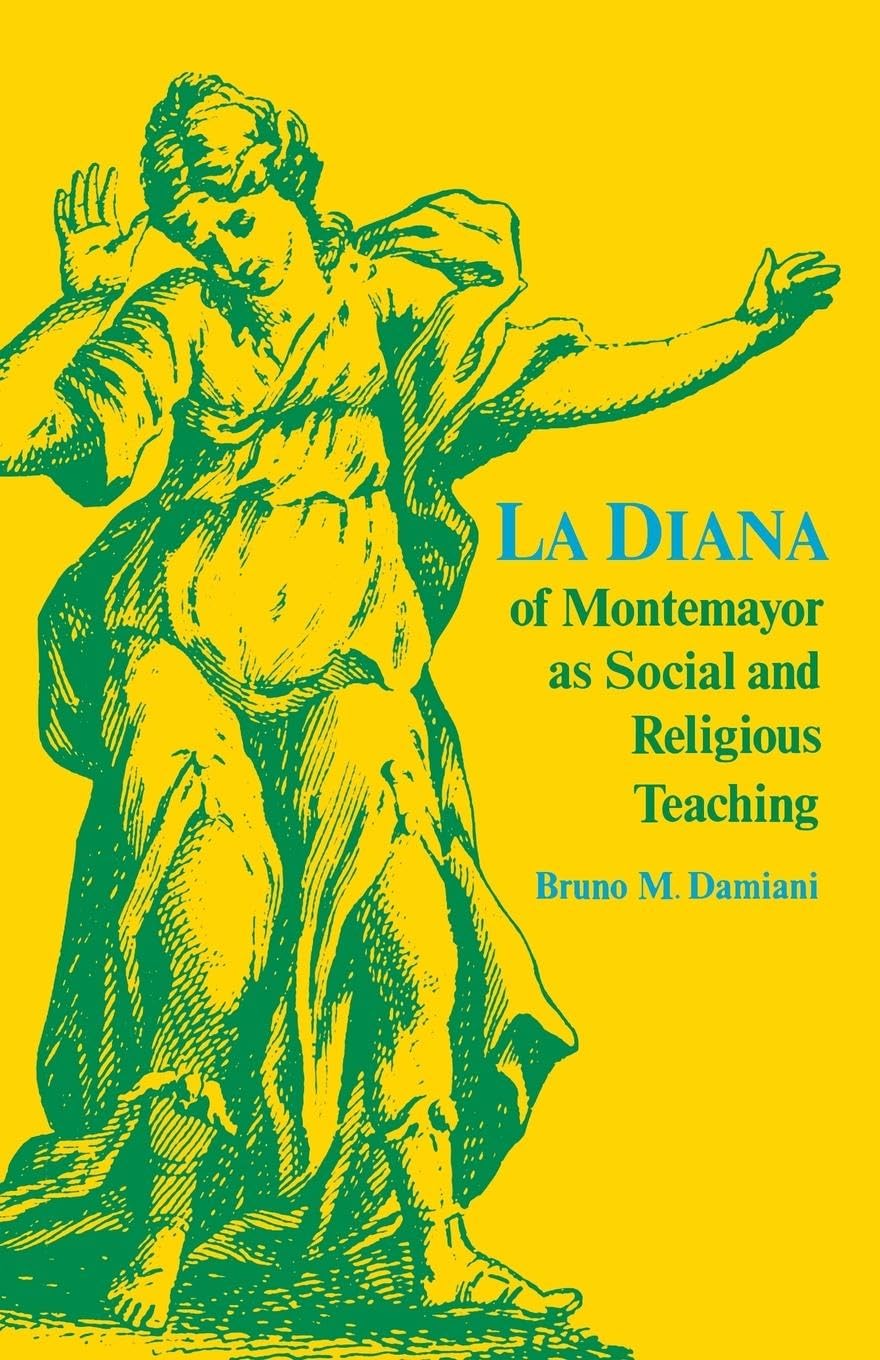
La Diana Of Montemayor As Social And Religious Teaching (Studies In Romance Languages),Used
Sold by Ergodebooks, an authorized reseller.
Returns accepted within 30 days | support@ergodebooks.com
Shipping Information
- Free Standard Shipping — United States only
- Processing Time: 3–5 business days
- Estimated Delivery: 6–10 business days after dispatch
- Double-boxed, fully insured & discreetly packaged
- Tracking number sent via email once dispatched
Returns & Refund
Returns accepted within 30 days of delivery.
Damaged or Defective Item
Free return shipping + replacement or full refund
Wrong Item Received
Free return shipping + replacement or full refund
Change of Mind
Return shipping at customer's expense · 25% restocking fee applies
Payment Option

Jorge de Montemayor's great pastoral novel La Diana (1559), one of the fountainheads of Spanish Renaissance literature, has often been regarded as a work written merely to amuse an effete courtly world. Bruno M. Damiani argues here that, far from being simply a 'pastoral dream,' Diana has profound sociohistorical and religious dimensions, and that Montemayor's intentions in it were largely moral and instructive.The timeless, idyllic nature which forms the essence of the pastoral is, in the case of Diana, inextricably bound up with the grace and sophistication of urban Spanish culture. Indeed, this study shows, Montemayor's shepherds and shepherdesses exist not in an imaginary Arcadian land but in the very real Spain and Portugal of their author's own time, and many of the characters are disguises for actual persons of the Spanish court, including perhaps the author himself.Similarly, the philosophical and religious concerns of Renaissance Spain are fully explored in the lives of Montemayor's sorrowing rustics. Symbolically they are sinners who have fallen from grace and must undertake a spiritual pilgrimage, one which ultimately leads them to an understanding of the Christian virtues of faith, hope, and charity.Mustering a wealth of classical, biblical, medieval, and Renaissance sources, the author reveals the underlying fabric of Diana, an intertwining of allegory, symbolism, and imagery intended to instruct Montemayor's readers in the path of virtue. Damiani's analysis of this important work offers us a clearer view of the intellectual life of Renaissance Spain.
⚠️ WARNING (California Proposition 65):
This product may contain chemicals known to the State of California to cause cancer, birth defects, or other reproductive harm.
For more information, please visit www.P65Warnings.ca.gov.