
Title
Laboratory Animal And Exotic Pet Medicine
Sold by Ergodebooks, an authorized reseller.
Returns accepted within 30 days | support@ergodebooks.com
Shipping Information
- Free Standard Shipping — United States only
- Processing Time: 3–5 business days
- Estimated Delivery: 6–10 business days after dispatch
- Double-boxed, fully insured & discreetly packaged
- Tracking number sent via email once dispatched
Returns & Refund
Returns accepted within 30 days of delivery.
Damaged or Defective Item
Free return shipping + replacement or full refund
Wrong Item Received
Free return shipping + replacement or full refund
Change of Mind
Return shipping at customer's expense · 25% restocking fee applies
Payment Option

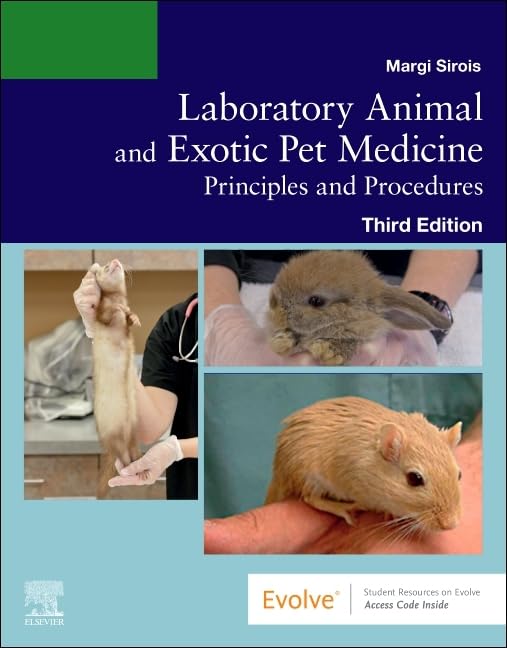
Learn The Veterinary Technician?S Role In The Care Of Exotic Pets And Animals Used In Biomedical Research! Laboratory Animal And Exotic Pet Medicine: Principles And Procedures, 3Rd Edition Helps You Gain The Knowledge And Skills Needed To Ensure Animal Health And Wellbeing. It Covers Animal Husbandry, Restraint And Handling, And Diseases, And Provides Guidelines To Key Clinical Procedures Such As Blood Collection, Medication Administration, Anesthesia, And Diagnostic Imaging. Researchrelated Information Addresses The Ethical Concerns Of Exotic Pet Ownership, As Well As The Benefits And Humane Use Of Animals In Research. Written By Noted Veterinary Technology Educator Margi Sirois, This Text Is A Musthave Resource For All Caretakers Of Lab Animals. Comprehensive Coverage Prepares You To Work With All Types Of Animals By Addressing A Wide Variety Of Species Including Rats, Mice, Rabbits, Guinea Pigs, Ferrets, Hamsters, Gerbils, Nonhuman Primates, Amphibians, Fish, Reptiles, Birds, Farm Animals, And Cats And Dogs; It Also Covers Topics Such As Animal Species, The Laboratory Setting, Regulatory Guidelines, And Ethical Considerations. Consistent Organization Of Each Species Chapter Makes It Easy To Quickly Identify Similarities And Differences Among Various Laboratory Animals. Current Information On Legal, Moral, And Ethical Issues Includes Legal Requirements, The Protocols Guiding Lab Animal Use, Animal Exploitation, And Animal Rights. Discussion Of Specific Uses For Each Species In Biomedical Research Provides A Perspective That Helps You Explain The Benefits Of Animal Use In Providing Highquality Research Data. Technician Notes Highlight Important Points And Provide Helpful Tips To Improve Your Knowledge And Skills. Learning Objectives, Key Points, And Chapter Review Questions Make Studying Easier. New! Comprehensive Coverage Of Poultry Includes The Increasingly Popular Backyard Chickens, As Well As Commonly Performed Procedures And Indepth Information On Housing, Restraint, Nutrition, Common Diseases, Diagnostics, And Therapeutics. New Photographs Show The Latest Technology Available In Laboratory And Exotic Animal Medicine.
⚠️ WARNING (California Proposition 65):
This product may contain chemicals known to the State of California to cause cancer, birth defects, or other reproductive harm.
For more information, please visit www.P65Warnings.ca.gov.
- Q: What is the page count of this book? A: This book contains two hundred fifty-six pages. It provides comprehensive coverage on laboratory animal and exotic pet medicine.
- Q: What are the dimensions of the book? A: The book measures eight point four three inches in length, zero point four seven inches in width, and ten point nine four inches in height.
- Q: What is the binding type of this book? A: This book is a paperback edition. This binding style is lightweight and flexible, making it easy to handle.
- Q: Who is the author of this book? A: The book is authored by Margi Sirois, who holds an EdD, MS, RVT, CVT, LAT, and VTES. She is a noted educator in veterinary technology.
- Q: What is the primary focus of this book? A: The primary focus is on the veterinary technician’s role in caring for exotic pets and animals used in biomedical research. It covers essential knowledge and skills for animal health.
- Q: How can I use this book effectively? A: To use this book effectively, read through each chapter's learning objectives and key points. Utilize the Technician Notes and chapter review questions to enhance your understanding.
- Q: Is this book suitable for beginners in veterinary medicine? A: Yes, this book is suitable for beginners. It provides foundational knowledge in veterinary care for a variety of species.
- Q: Can I use this book as a reference for advanced studies? A: Yes, this book can serve as a reference for advanced studies. It includes detailed information on animal species and clinical procedures.
- Q: Does this book include information on poultry care? A: Yes, the book includes comprehensive coverage of poultry care. It specifically addresses backyard chickens and common veterinary procedures.
- Q: How should I store this book to keep it in good condition? A: Store this book in a cool, dry place, away from direct sunlight. Keeping it upright on a shelf will help maintain its shape.
- Q: Can this book be used for studying ethical considerations in animal care? A: Yes, this book discusses legal, moral, and ethical issues in laboratory animal use. It addresses concerns related to animal rights and exploitation.
- Q: What if the book arrives damaged? A: If the book arrives damaged, contact customer support for a return or replacement. Ensure you have your order details ready for assistance.
- Q: Is there any specific care required for this paperback book? A: No specific care is required, but keeping it away from moisture and extreme temperatures will prolong its life.
- Q: What age group is this book appropriate for? A: This book is appropriate for students and professionals in veterinary medicine. It is ideal for ages eighteen and older.
- Q: Are there visuals included in the book? A: Yes, the book includes new photographs showcasing the latest technology in laboratory and exotic animal medicine. These visuals enhance learning.
- Q: Does this book cover common diseases in laboratory animals? A: Yes, the book covers common diseases in various laboratory animals. It provides insights into diagnostics and therapeutics relevant to these species.